
Pull ups are the gold standard of bodyweight pulling exercises. It is a foundational movement that builds an impressive back, wide lats, and strong biceps. While they may seem impossible at first, anyone can achieve them with the correct progression and a bit of consistency.
How to Get Your First Pull-Up
If you can’t do a full pull up yet, don’t worry. Use these three tips to start building the necessary strength and technique:
1. Negatives
Jump or use a box to get your chest to the bar. Hold for a second, then lower yourself as slowly and controlled as possible until your arms are straight and you are at a dead hang position. With pull ups and any other exercises, negatives actually builds strength much faster than people realize.
2. Resistance Bands
With resistance bands you can learn the whole movement with ease. Loop a resistance band over the bar and place your feet or knees in it. The band removes some of your body weight, allowing you to practice the full range of motion with a “lighter” version of yourself. Start with thick band at go for less resistance while you progress.
3. Assisted Machines & Lat Pulldowns
If you have access to a gym, a lat pulldown machine is great for targeting the same muscles as pull ups. However, it is quite not the same though. As soon as you can, move to bands and negatives to get used to stabilizing your own body weight in the air.
How to Set Up for the Perfect Pull-Up
To get the most out of the movement and prevent injury, your setup is key:
- The Grip: Start with an overgrip (knuckles facing up to the ceiling). Position the bar at the base of your fingers rather than deep in your palm; this prevents the bar from squeezing your skin and causing painful calluses. An overhand grip shifts your center of gravity, forces you to recruit your larger, stronger back muscles and helps you get higher pull ups eventually as you get stronger.
- The Width: Place your hands slightly wider than shoulder-width apart. A grip that is too narrow often leads to “forearm pump,” where your arms tire out before your back muscles have even been fully worked. I would suggest you to test different widths. This way you will find whats best for you.
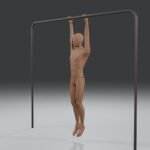
- The Dead Hang: Start from a full dead hang with your legs off the ground and arms straight. Get comfortable here first; a strong “dead hang” and grip strength is the foundation of a strong clean pull-up.
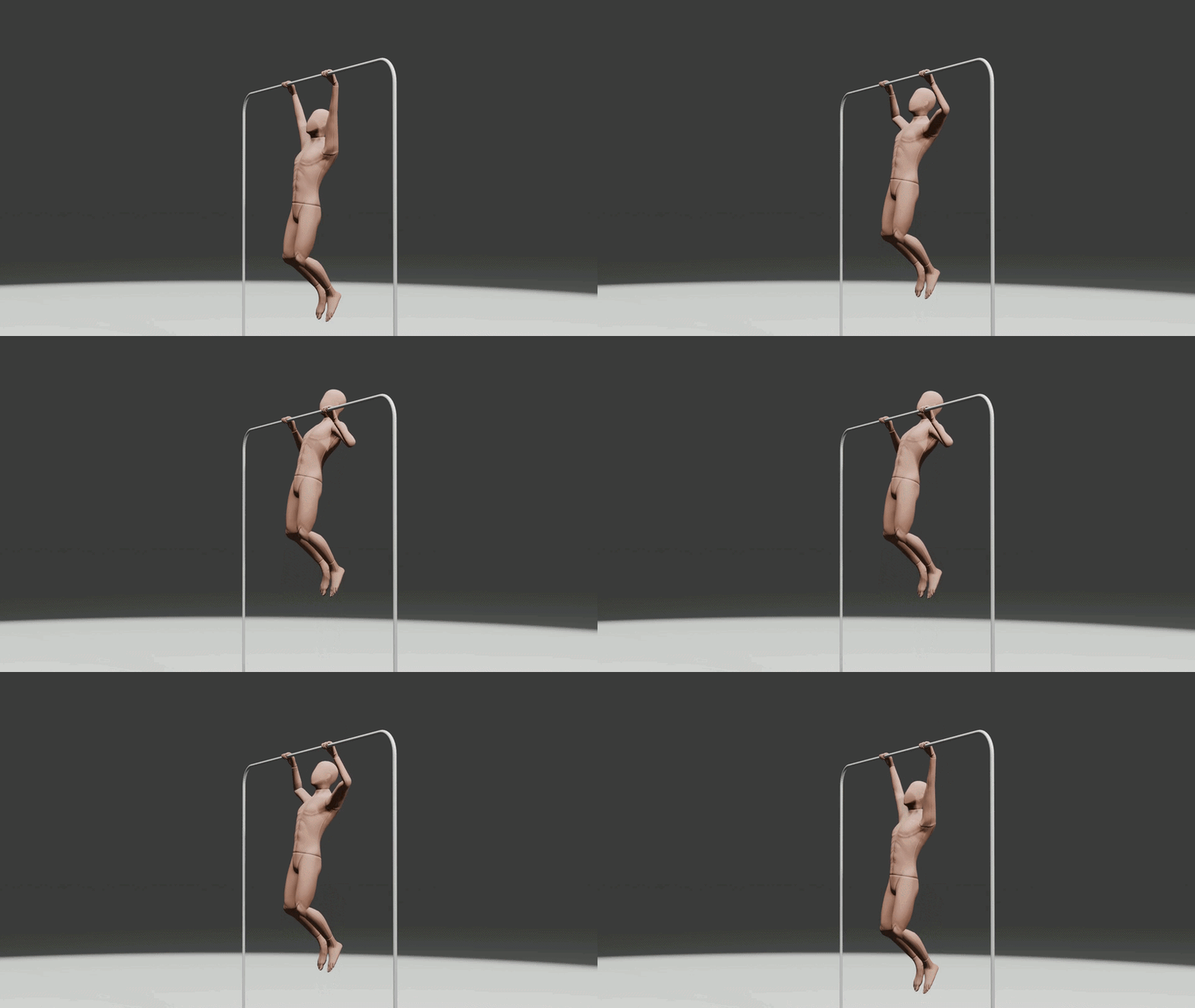
Execution: Quality Over Quantity
Don’t just mindlessly pull with your arms. Focus on the quality. Follow these steps for a clean quality reps to maximum gains:
- Engage the Scapula: From a dead hang, pull your shoulder blades down and back.
- The Lean: Lean back slightly and open your chest.
- The Drive: Drive your elbows down and back, as if you are trying to elbow someone standing behind you.
- Touch the Bar: Aim to touch the bar with your upper chest, not just your chin.
- Full Range of Motion: Lower yourself all the way back down to a dead hang before starting the next rep.
Common Mistake: Avoid “neck-reaching.” Many people try to get their chin over the bar by straining their neck upward. This doesn’t build strength and can lead to injury. If you focus on pulling your chest to the bar, your chin will naturally clear it as you get stronger.
Different Training Methods For Pull Ups
There are two popular ways to program your pull-up training:
- Traditional Sets (To Failure): You go to the gym, do 3-4 sets of as many reps as possible till failure, and rest couple minutes between sets. This is great for muscle growth, strength and general fitness. If you can do 8-12 reps you can start doing weighted pull ups with a weight belt or weight vest.
- Greasing the Groove (GTG): This is a strength training technique popularized by Pavel Tsatsouline, involving high-frequency but low intensity training of a specific exercise throughout the day. This involves doing a few easy quality reps many times throughout the day, but never till failure. The point is so not tire the muscle too much, so you can keep doing quality reps every day. If you have a pull-up bar at home, you might do a few reps every time you walk through the door. This “high frequency” method trains your nervous system to make the movement feel natural.
If you have a bar at home, try Greasing the Groove (GTG) for 6 weeks and see how that progressions goes. If you only train at the gym, stick to traditional sets.
Advancing From Pull Ups
Once you can comfortably perform 10–12 clean pull-ups, the world of calisthenics opens up to you. You can start adding weight with a belt or vest, or begin training for advanced skills like the muscle up, front lever, or the crazy one-arm pull up.