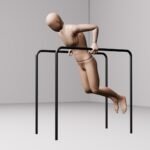

If you can’t do a push-up yet, you’re not alone. It’s one of the most common struggles for beginners starting bodyweight training.
The good news? There’s nothing “wrong” with you—you just haven’t built the strength yet. In this guide, you’ll learn exactly why push-ups feel so hard and what to do to get your first proper rep.
Everyone starts somewhere. Push-ups are hard because they work your whole body—but that’s exactly why they’re so effective.
Stick with the progressions, train consistently, avoid injuries and you will get there.
Why push-ups are so hard
A push-up is not just an arm exercise. It requires:
- Upper body strength (chest, shoulders, triceps)
- Core stability
- Full-body control
For beginners, that combination can feel overwhelming at first.
The 5 most common reasons that prevent you to do a push-up
1. Not enough upper body strength
This is the main reason.
Your chest, shoulders, and triceps simply aren’t strong enough yet to push your body weight.
👉 Fix: Start with easier variations (see below)
2. Weak core
If your core isn’t strong, your body will sag or lose tension.
This makes push-ups much harder than they should be.
👉 Fix: Add planks and slow push-up variations
3. Starting too advanced
Many beginners try full push-ups immediately and fail.
That’s like trying to lift heavy weights on day one.
👉 Fix: Use progressions (wall → incline → knees → full)
4. Poor technique
Bad form wastes energy and makes the exercise harder.
Common issues:
- Elbows flaring out
- Hips dropping
- Partial reps
👉 Fix: Learn proper form in this guide:
How to Do a Push-Up Correctly (Step-by-Step Beginner Guide)
5. No consistent practice
Doing push-ups once a week won’t build strength.
👉 Fix: Train 2–3 times per week consistently
How to get your first push-up (step-by-step plan)
Follow this simple progression:
Step 1: Wall push-ups
- 3 sets of 10–15 reps
- Focus on control
Step 2: Incline push-ups
- Hands on a table, bench, or chair
- 3 sets of 8–12 reps
Step 3: Knee push-ups
- 3 sets of 5–10 reps
- Keep your body straight from knees to head
Step 4: Negative push-ups
- Lower yourself slowly to the floor
- Don’t worry about pushing back up
- 3 sets of 3–6 reps
Step 5: Full push-up attempts
Try 1–3 reps at the start of your workout
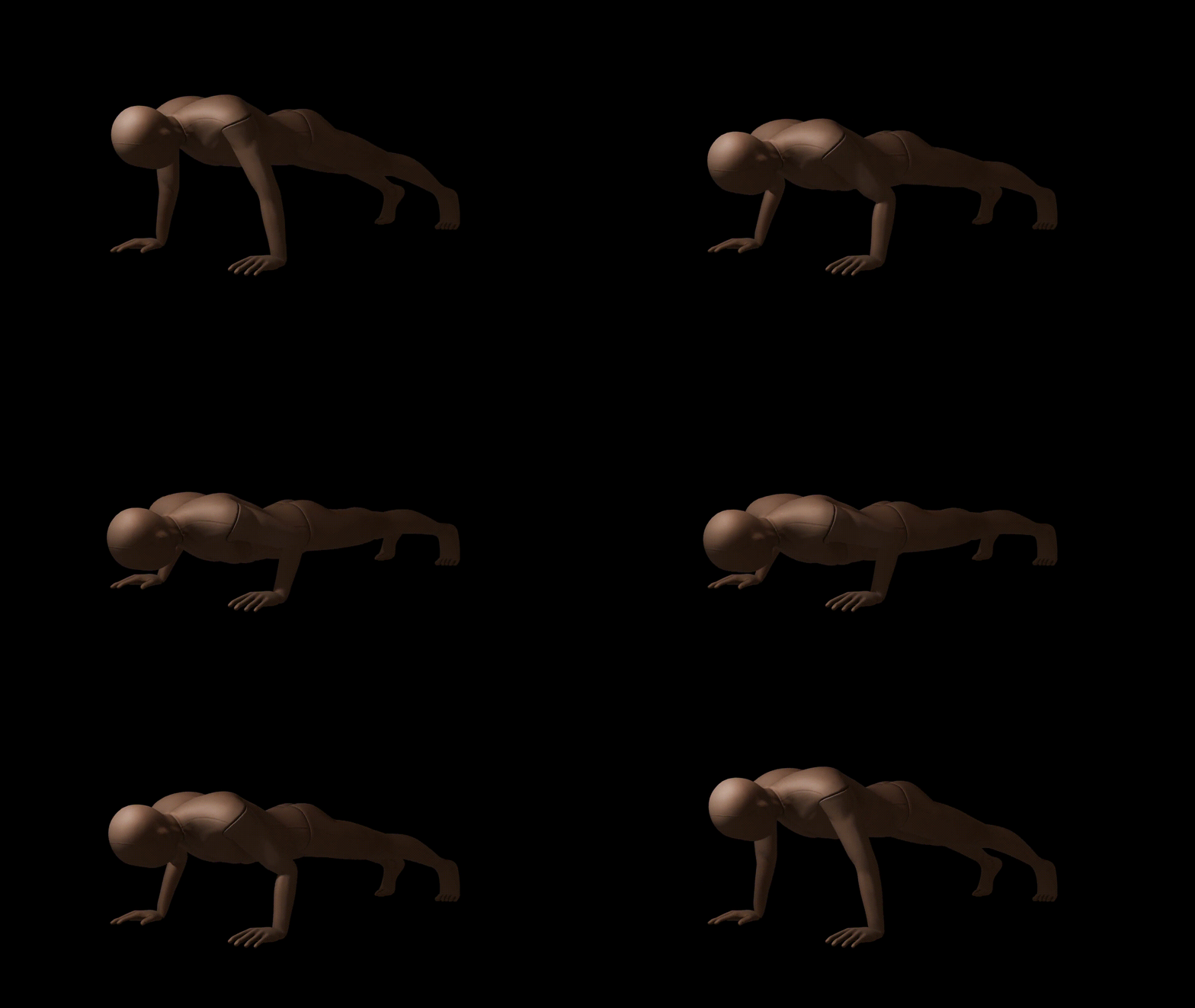
Simple weekly plan to get your first push up (do this)
Train 3 times per week:
- Incline push-ups – 3 sets
- Knee push-ups – 3 sets
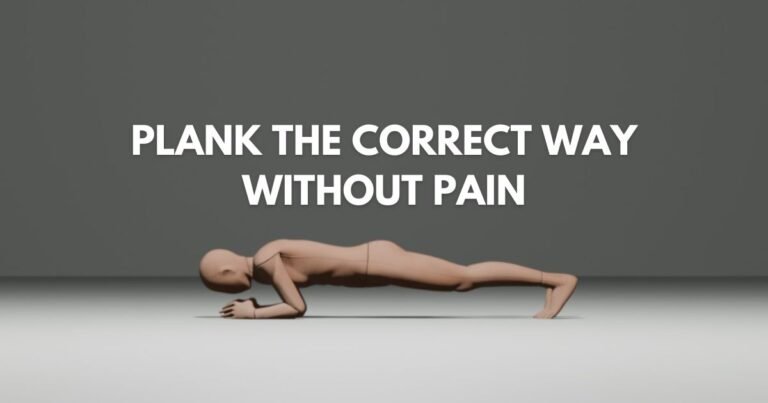
- Plank – 3 sets (20–40 sec)
Each week:
- Add reps
- Or move to a harder version
How long will it take?
Most beginners get their first push-up in:
- 2–4 weeks (with consistent training)
- Sometimes faster if already active
Common mistakes that slow you down
Skipping easier progressions
You’re not “cheating” by scaling—you’re building strength.
Rushing reps
Fast reps = less strength gain.
Training randomly
You need structure, not guesswork.
👉 Use a simple plan like this:
Beginner Bodyweight Workout Plan (No Equipment Needed)
What to do after your first push-up
Once you can do 1–3 reps:
- Build up to 5 reps
- Then 10 reps
- Then focus on control and form
From there, strength improves quickly.