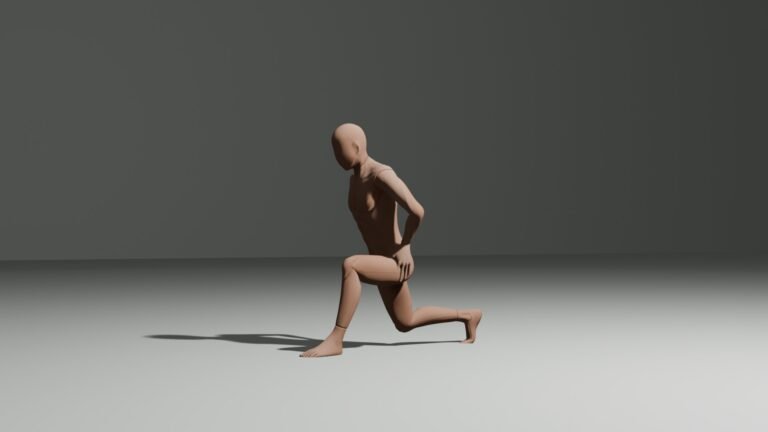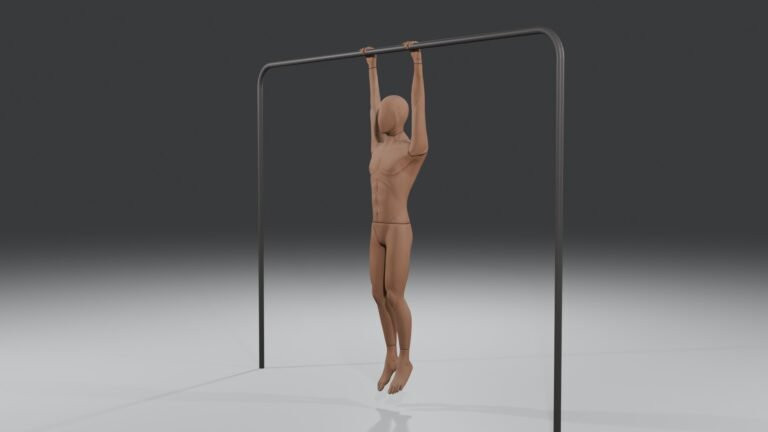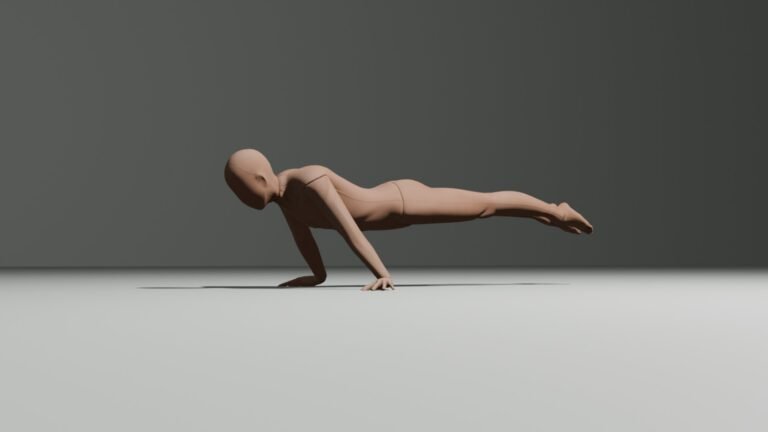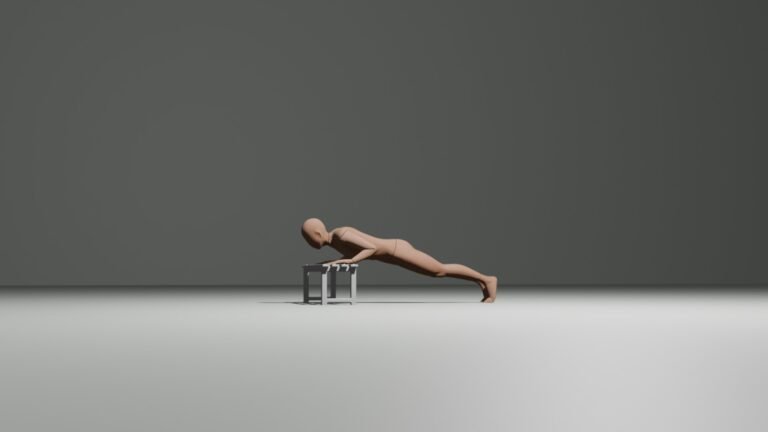

If you’re training at home with bodyweight exercises, your results depend on one thing more than anything else: your form.
Most beginners don’t struggle because they’re not working hard enough—they struggle because they’re doing exercises incorrectly.
This guide will show you how to perform bodyweight exercises properly, avoid common mistakes, and build strength safely from the start.
Who this guide is for
This guide is for:
- beginners training at home
- anyone struggling with form or technique
- people who want to avoid injuries and get better results
Quick answer: How do you do bodyweight exercises correctly?
To perform bodyweight exercises correctly, focus on controlled movement, proper body alignment, and core engagement. Start with easier variations, master your form, and only then increase difficulty.
Why proper form matters (more than you think)
Good form:
- builds strength faster
- targets the right muscles
- reduces injury risk
Bad form:
- wastes energy
- slows progress
- increases risk of pain or injury
👉 If you’ve ever wondered why you’re not progressing, read:
Why Am I Not Getting Stronger at Bodyweight Workouts?
The 5 fundamentals of correct bodyweight training
These apply to almost every exercise.
1. Control your movement
Don’t rush reps.
- Slow down
- Stay in control
- Avoid bouncing
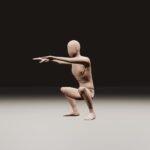
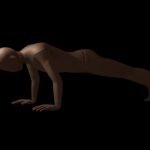
👉 This is especially important for exercises like push-ups and squats:
2. Keep proper body alignment
Your body should stay stable and aligned.
Examples:
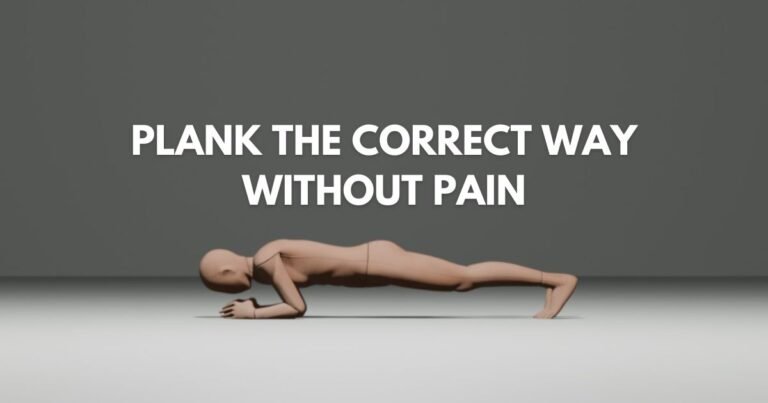
- straight body in push-ups and planks
- neutral spine in squats
👉 Learn proper positioning here:
3. Engage your core
Your core is involved in almost every bodyweight movement.
If your core is weak or relaxed:
- your form breaks down
- your lower back takes stress
👉 Improve this with:
4. Use the right variation
Most beginners make exercises too hard too early.
Instead:
- start easier
- progress gradually
Example:
- incline push-ups → knee push-ups → full push-ups
👉 Learn more:
5. Train consistently (not randomly)
Form improves with repetition—not random workouts.
👉 Follow a structured plan:
How to do the most important bodyweight exercises correctly
These are your core movements.
Push exercises (chest, shoulders, triceps)
Key exercises:
What to focus on:
- body in a straight line
- controlled movement
- elbows not flaring too much
👉 Learn more:
Lower body exercises (legs & glutes)
Key exercises:
What to focus on:
- knees tracking properly
- chest up
- controlled depth
👉 Learn proper form:
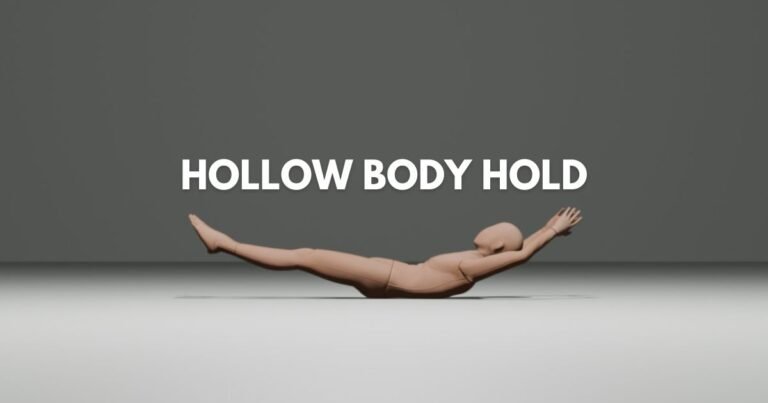
Core exercises (stability & control)
Key exercises:
What to focus on:
- core tension
- lower back position
- controlled breathing
👉 Improve your core:
Pull exercises (back & arms)
Key exercises:
What to focus on:
- full range of motion
- controlled pulling
- avoiding swinging
👉 Learn progressions:
Common mistakes beginners make
Why do bodyweight exercises feel too hard?
Because:
- you’re using poor form
- skipping progressions
- rushing reps
Why do you feel exercises in the wrong muscles?
This usually means your form is off.
Example:
- feeling push-ups in shoulders → bad positioning
- feeling planks in lower back → weak core engagement
Why are you not improving?
Often due to:
- lack of consistency
- no progression
- poor technique
👉 Read:
How to avoid injuries while training
Bodyweight training is generally safe—but only if done correctly.
To stay injury-free:
- don’t rush progression
- maintain good form
- listen to your body
👉 Full guide:
How long does it take to improve your form?
With consistent practice:
- 1–2 weeks: better control
- 3–4 weeks: improved technique
- 6+ weeks: strong, confident movement
FAQ
Can beginners do bodyweight training at home?
Yes. It’s one of the best ways to start.
How often should I train?
2–3 times per week is enough for beginners.
👉 Learn more:
Do I need equipment?
No. Most exercises can be done with just your body.
Is bodyweight training enough to build strength?
Yes—especially for beginners.
Final advice
Don’t rush into advanced exercises. Master the basics first.
Good form is what turns simple exercises into effective training.
Focus on control, stay consistent, and your strength will improve naturally.
Next steps (start here)
If you’re just starting:
- 👉 Beginner No Equipment Bodyweight Training Guide
- 👉 Best Beginner Workout at Home
- 👉 How to Squat Properly
- 👉 How to Plank Correctly
If you’re struggling with specific exercises:
If you want to improve consistency: