
The barbell squat is a compound movement that targets almost every muscle in your legs and your lower body, including your quads, hamstrings, and glutes, while demanding massive stability from your core and lower back. Unlike a machine leg press, the barbell squat requires you to balance a heavy load while moving through a natural range of motion.
Beyond just building leg size, squats improve your bone density, hormonal response, and “real-world” functional strength. Whether you are an athlete looking for more power or a beginner looking for better posture and huge legs, the squat is the exercise. You can adjust the focus by trying variations like the front squat for more quad emphasis or low bar squats for more glute and hamstring power.
Barbell Squats Guide
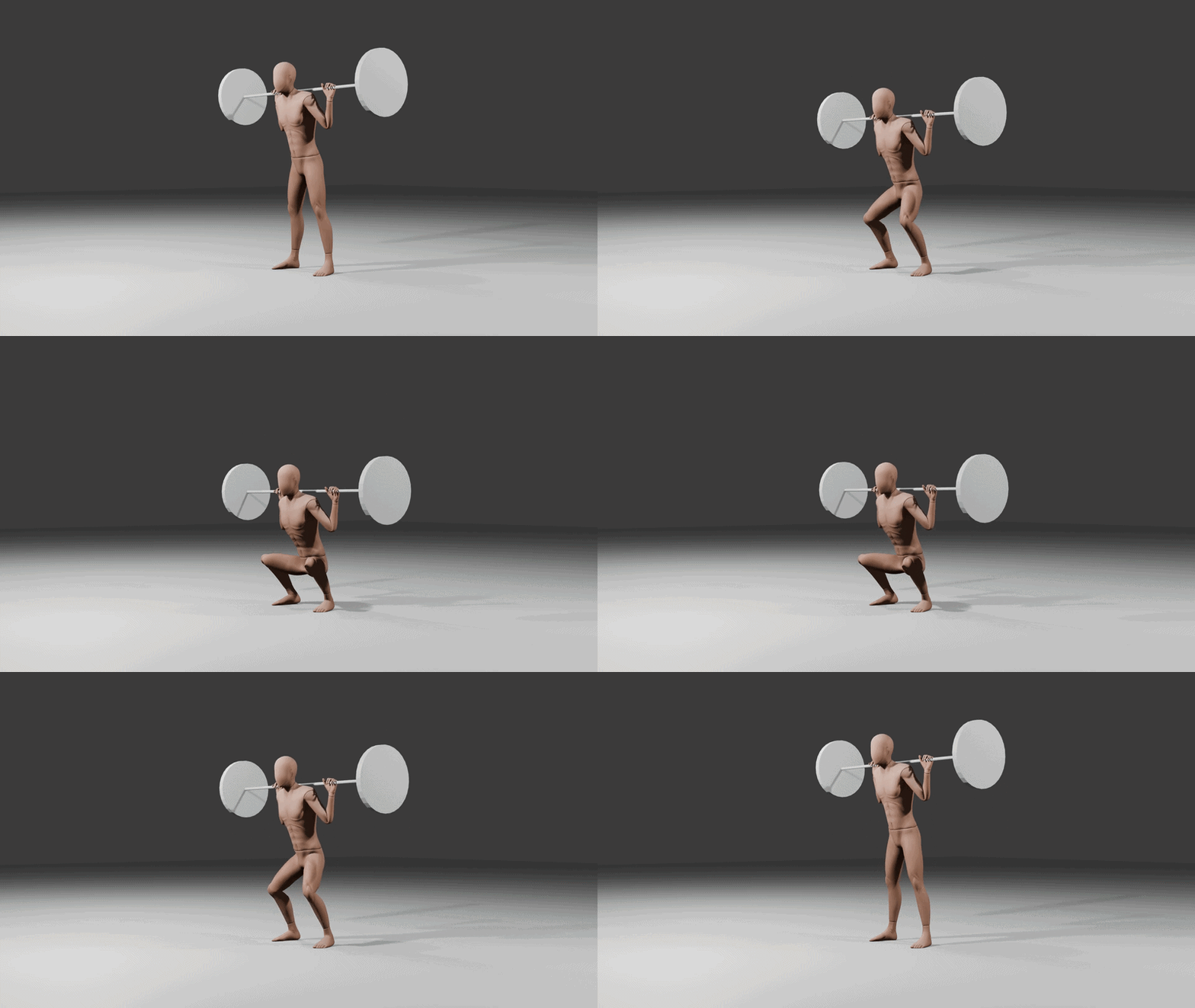
Start by setting the bar in a squat rack at about mid-chest height. You should never have to go on your tiptoes to unrack the bar. Step under the bar and rest it across your upper back. To help, push your shoulders together to create a “shelf” with your muscles and rest the bar on that.
Grip the bar firmly and unrack it by getting up and taking a small step back. Set your feet slightly wider than shoulder-width with your toes pointed slightly outward (about 15–30 degrees).
Before you descend, take a big breath into your belly (bracing your core) and sit your hips back and down. Imagine you are sitting into an invisible chair. Keep your chest up and your weight distributed across your whole foot – don’t let your heels lift and keep your knees pointed to your toes, don’t let them go inwards or outwards.
Controlled and clean movement is the key to gaining strength and preventing injury. Lower yourself until your thighs are at least parallel to the floor. From the bottom, drive through your mid-foot and “spread the floor” with your feet to return to a standing position. Exhale as you reach the top.
Barbell Squat Progression
First of all, you should have the basic mobility to squat deep without weight. Being able to perform 20 clean bodyweight squats with your heels on the ground is the prerequisite for adding a barbell.
Squatting is a skill. The progression isn’t just about adding plates; it’s about “owning” the movement at every weight. Here is how to move from a beginner to a heavy squatter:
Phase 1: Goblet Squats
Before the barbell, start with a dumbbell or kettlebell held at your chest. This counterweight helps you stay upright and teaches you how to push your knees out. Once you can do 3 sets of 12 reps with a heavy dumbbell, move to the rack.
Phase 2: The Empty Barbell
Never be too proud to start with just the bar (20kg/45lbs). Use this time to master your “walk-out” and bracing. Focus on hitting the same depth every single rep. When 3 sets of 10 feel like a warm-up, it’s time to add weight.
Phase 3: Incremental Loading
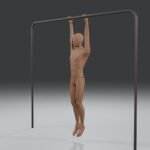
Add weight in small steps (2.5kg or 5lb plates). This allows your tendons and ligaments to catch up with your muscle strength. I strongly recommend doing 5-10 minutes of passive hanging after your workout to decompress your spine from the heavy load.
Once the weight gets heavy, you might notice your knees caving in or your hips rising too fast. If your form breaks, stop adding weight. It is better to squat 60kg with perfect form and depth than ego lift 100kg with half reps. Mastery comes from the pause squats – holding the bottom position for 2 seconds to build dead-stop power
Benefits Of Barbell Squats
While leg extensions and lunges are great additions to a leg day, the barbell squat allows you to move the most weight possible. This creates a systemic effect on the body, triggering muscle growth and strength gains across your entire frame, not just your legs.
Doing squats regularly is highly beneficial for improving your vertical jump, sprint speed, and even your metabolism. Because it’s so demanding, it burns more calories than almost any other lift. Furthermore, a strong body from squatting is the best insurance policy against lower back pain in old age.
Barbell squats are the foundation of leg training. They will unlock the strength needed for advanced moves like deadlifts. Once you can squat 1.5x your body weight, you have officially reached a high level of functional strength.
Avoid These Common Squatting Mistakes
- Heels Lifting: This shifts the load to your knees. Keep your feet flat!
- The “Good Morning” Squat: Don’t let your hips shoot up first. Keep your chest and hips rising at the same time.
- Looking Way Up: Keep your neck neutral. Look at a spot on the floor about 5-10 feet in front of you.
- Inward Knees: Squatting can take away knee pain when done correctly, but letting your knees cave inwards will create injuries.