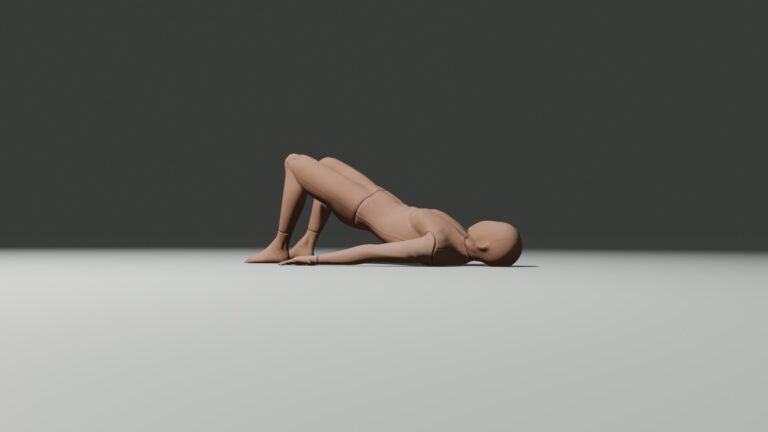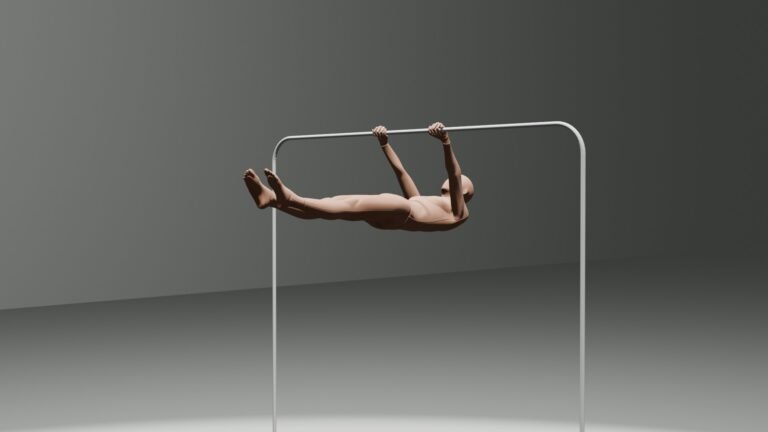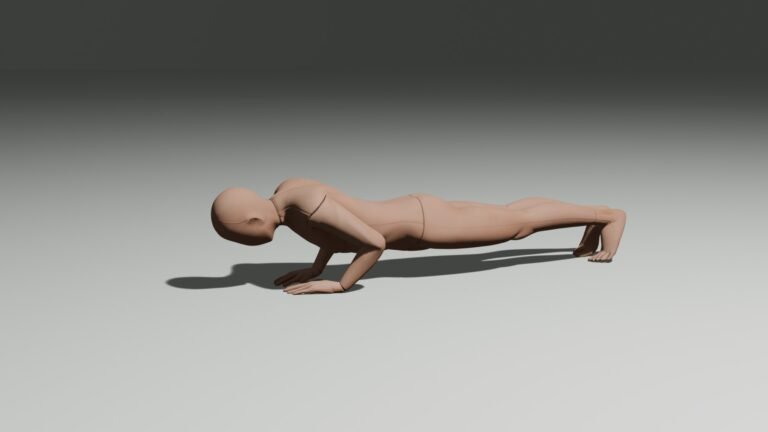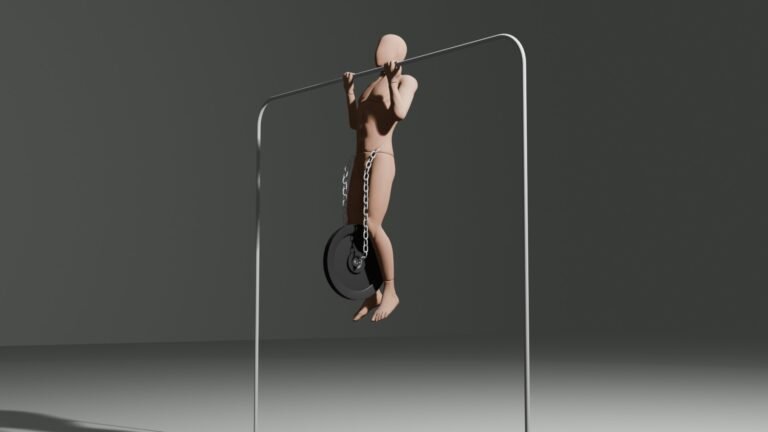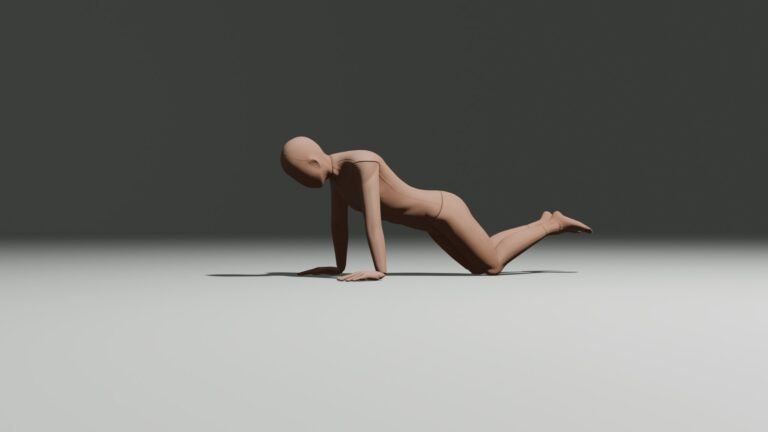

If you are looking for an exercise that looks incredibly impressive while building legendary core strength, you need to master the dragon flag.
Named after martial arts icon Bruce Lee, dragon flags are widely regarded as one of the absolute best advanced core and abdominal exercises in existence. While they are undeniably challenging, you shouldn’t let that intimidate you. With a solid foundation, the right progression path, and flawless form, you can scale this elite bodyweight movement from a beginner level all the way to a full, gravity-defying hold.
In this comprehensive guide, we will break down how to do dragon flags, the muscles they work, and the exact step-by-step progression to help you conquer this movement.
What Are Dragon Flags?
A dragon flag is an advanced calisthenics exercise where you lie on your back, grip a secure anchor point behind your head, and lift your entire lower body and torso into the air using your abdominal muscles. At the peak of the movement, only your upper back and shoulders remain in contact with the ground.
From this vertical position, you slowly lower your rigid, straight body down toward the floor, resisting gravity without letting your legs, glutes, or lower back touch the ground, before pulling yourself back up.
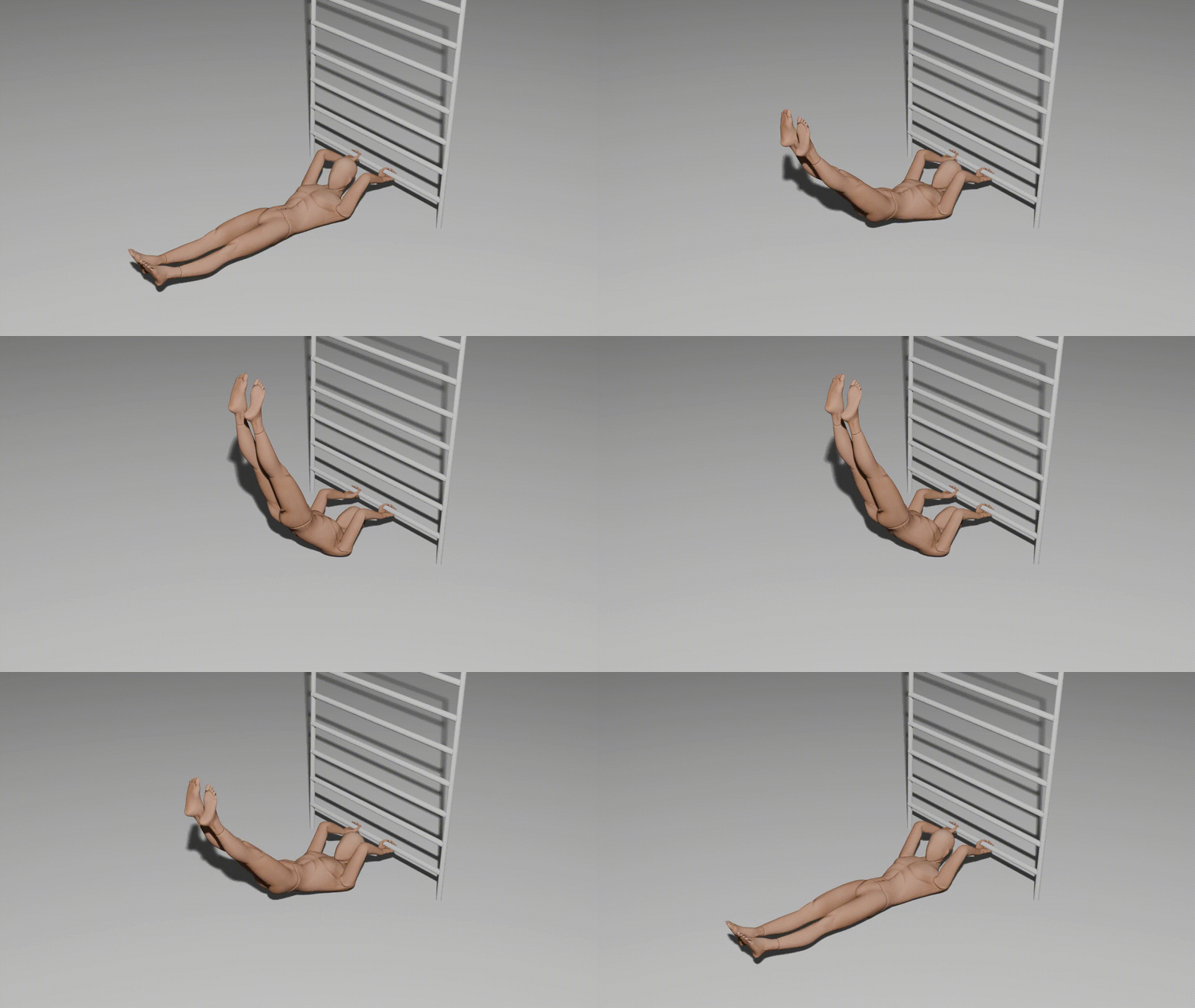
Is Dragon Flags a Good Ab Workout?
If your goal is an elite dragon flags core routine, this movement delivers unparalleled results. It demands a massive amount of eccentric (lowering) control, which is the absolute best way to stimulate deep core hypertrophy.
Preparing Your Body For Full-Body Tension
Popularized by Bruce Lee, the dragon flag requires rigid body tension from your shoulders down to your toes. Because it places immense force on your core and lower back, you need a rock-solid base in static planks and hollow body holds before attempting it. Read our master bodyweight training guide to see the prerequisite exercises that build total-body control
The Key Difference: Dragon Flags vs. Regular Leg Raises
What makes this exercise so special compared to standard floor core work? During a standard leg raise, your lower back remains flat on the floor, and only your hips flex. During a dragon flag, your entire torso and hips stay completely locked in a straight line, and your entire lower back lifts off the ground, creating significantly more leverage, full-body tension, and difficulty.
Muscles Worked:
- Primary Abs: Rectus Abdominis (the “six-pack” muscles) and deep transverse abdominis.
- Core & Lower Body: Obliques, lower back, hip flexors, and glutes.
- Upper Body Stabilizers: Lats, shoulders, and triceps (which work overtime to grip the anchor point).
Pro-Tip on Pre-Workout Mobility: Because your quads, glutes, and calves must be fully engaged to keep your legs locked straight, cold muscles will easily cramp. Before starting, take a few minutes to learn how to loosen tight hip flexors and warm up your lower body to maximize your range of motion.
How to Do Dragon Flags: The Step-by-Step Form Guide
To master how to do dragon flags safely and effectively, you must eliminate momentum. Executing the movement with strict control is the key to building rapid strength and learning how to train without injuries.
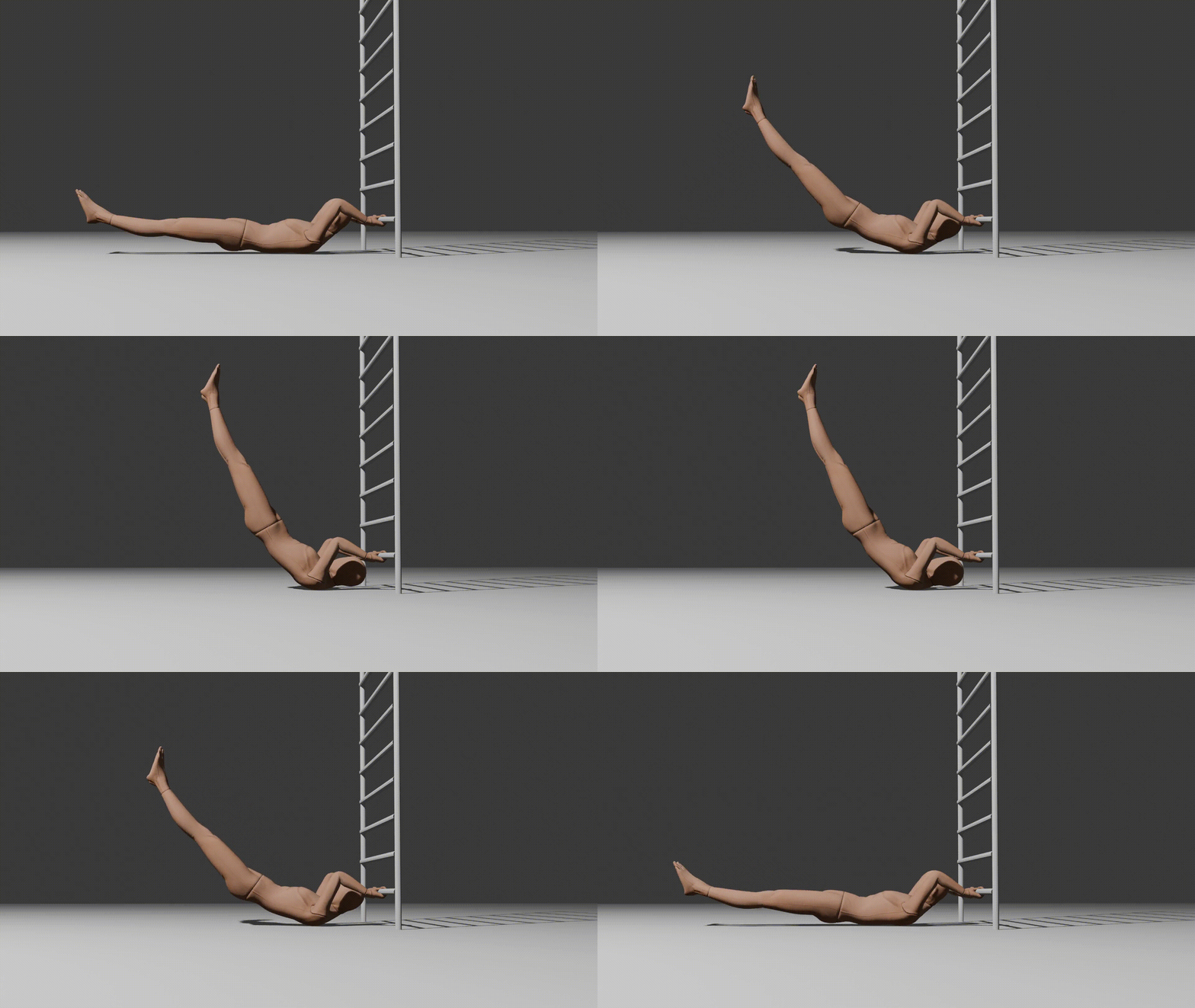
Step 1: The Setup
Lie flat on your back and reach behind your head to firmly grip your anchor point (bench, bars, or heavy weight). Keep your elbows tucked in.
Step 2: The Vertical Lift
Drive your legs straight up toward the ceiling. To transition from a standard leg raise to a dragon flag, contract your abs hard to peel your lower back and hips completely off the floor. Your body should form a straight, vertical line supported only by your upper back and shoulders.
Step 3: The Eccentric Descent
Keeping your body completely rigid from your shoulders to your toes, slowly lower your body down. Do not let your hips sag or bend. Aim to lower down to at least a 30 to 45-degree angle—or lower if your strength allows.
Step 4: The Ascent
Without letting your butt or back touch the floor, use your core to pull your straight body back up to the vertical starting position.
Choosing the Right Anchor Point
Because this movement requires immense stabilization, having a sturdy anchor behind your head is a strict necessity. If you train at a gym, a set of stall bars or a heavy workout bench works best. If you want to train at home, you can easily perform these by anchoring yourself to the base of a sturdy column, heavy dumbbells, or a massive kettlebell—provided you already have a home setup or something to anchor against.
The 4-Week Dragon Flag Strength Block
The dragon flag is an elite calisthenics core exercise that places immense tension on your abdominal wall, hip flexors, and lower back. Because maintaining a rigid straight-line lever requires intense body control, rushing through the steps will cause your hips to sag and place dangerous shear stress on your spine.
Use this 4-week strength block at your current progression level (Tuck ➔ Negative ➔ Full Dragon Flag). Run the block at your current stage until you can complete Week 4 with strict control and zero momentum, then advance to the next step and restart at Week 1.
Prerequisite Check: Before attempting dragon flags, ensure you can hold a 45-second hollow body hold and perform 15 strict hanging leg raises.
Resting is key: Rest 2 to 3 minutes between sets. Dragon flags demand full neurological drive to maintain body rigidity.
Protect Your Spine: If your lower back arches or your hips sag during a rep, immediately drop your knees to your chest to abort the set—never force a rep with broken form.
| Week | Focus | Workout 1 | Workout 2 | Workout 3 |
|---|---|---|---|---|
| 1 | Rigidity Base | Current Step Practice: 4 sets of 5-6 reps | Hollow Body Holds: 3 sets of 30-45 sec | Current Step Practice: 4 sets of 6 reps |
| 2 | Eccentric Control | Current Step Practice: 4 sets of 6-8 reps | Hanging Leg Raises: 3 sets of 10-12 reps | Current Step Practice: 5 sets of 5-6 reps |
| 3 | Peak Core Tension | Current Step Practice: 5 sets of 6-8 reps | Hollow Body Holds: 4 sets of 45 sec | Current Step Practice: 4 sets of max clean reps |
| 4 | Mastery & Testing | Current Step Practice: 3 sets of 4-5 reps (Focus on slow lowering) | Light Core Mobility: Light recovery session | Test & Level-Up Day: Test your strength! If you can lower and lift with zero hip sagging, advance to the next step next week. |
How to Apply This Block to Your Level
- Level 1 (Beginner): Perform all “Current Step” sets using Tuck Dragon Flags (knees bent to chest during descent and ascent).
- Level 2 (Early Intermediate): Perform all “Current Step” sets using Single-Leg Dragon Flags (one leg extended, one tucked).
- Level 3 (Intermediate): Perform all “Current Step” sets using Eccentric-Only Dragon Flags (Step 3: slow 5-second lowering in a straight line, then drop knees to reset at the top).
- Level 4 (Advanced): Perform all “Current Step” sets using Full Dragon Flags (Step 3 descent + Step 4 ascent with a rigid straight body).
Proper Breathing and Bracing Techniques
Executing an elite calisthenics move requires more than just raw muscle power; it requires internal pressure management.
The Power of Intra-Abdominal Pressure
Before you initiate the lift or begin the lowering phase, take a deep belly breath and brace your core as if you are about to take a punch. This intra-abdominal pressure protects your lumbar spine and creates a rigid column of strength through your midsection.
When to Inhale and Exhale
Inhale deeply during the setup or at the absolute top of the movement. Hold the brace as you slowly descend (the eccentric phase). Exhale forcefully as you drive your hips and legs back up to the ceiling, emptying your lungs to maximize the final contraction of your abdominal wall.
Troubleshooting Common Dragon Flag Mistakes
Because this is a highly advanced bodyweight skill, minor form flaws can stall your progress or lead to discomfort.
Why Does My Lower Back Hurt During Dragon Flags?
Lower back pain usually occurs when your core fatigues, causing your hips to sag and your lower back to arch excessively. If your abdominal muscles cannot keep your spine neutral against gravity, your lower back takes the brunt of your body weight. If you feel this pinching sensation, drop down to an easier progression stage immediately to safeguard your spine.
Managing Core Fatigue and Training Frequency
Because dragon flags heavily tax the central nervous system and core muscles, they should not be trained every day. Treat them like a heavy lifting movement: train them 2 to 3 times per week at the start of your core workout when your muscles are completely fresh, rather than at the end of an exhausting session.
The Step-by-Step Dragon Flags Progression
How hard is it to do a dragon flag? It requires an exceptional baseline of strength. If you cannot yet perform 15 clean hanging knee raises or hold a solid plank for two minutes, you should start with these proven, step-by-step progressions. Do not move to the next stage until you can comfortably hit the target reps and sets.
1. Lying Leg Lift Holds
This introduces your core to the specific tension required for the full movement. Lie on your back, grip your anchor, lift your straight legs to a 45-degree angle, and hold.
- Goal: 3 to 4 sets of 30–45 seconds before moving on.
2. Lying Leg Lifts (Dynamic Reps)
Similar to the hold, but performed for repetitions. Raise your straight legs to 45 degrees and lower them back down, stopping just an inch before they touch the ground.
- Goal: 3 to 4 sets of 12–15 clean, controlled repetitions.
3. Advanced Straight-Body Leg Lifts
This is where you get your first true taste of the dragon flag. Raise your legs to a 90-degree angle, then use your abs to lift your lower back off the ground, driving your feet toward the ceiling until your body straightens. Lower your lower back down first, followed by your legs, and repeat.
4. Dragon Flag Negatives
Use the technique from the advanced lift to get into the vertical top position. From there, lower your entire straight body down as slowly as possible. Once your feet reach the bottom, let them touch, reset, and repeat. This trains the high-intensity eccentric phase of the full movement.
5. The Partial to Full Dragon Flag
Once your negatives are rock-solid, begin reversing the movement. Lower your straight body down to a 45-degree angle, pause, and pull your straight body back up. As you get stronger, lower your body closer and closer to the floor until you are performing full, pristine dragon flags.
How to Scale the Exercise for True Beginners
If Stage 1 feels completely out of reach, don’t worry. You can manipulate your body leverage to make the entry point much easier.
Tuck Dragon Flags
Instead of keeping your legs completely straight, bend your knees and pull them close to your chest. Keeping your knees tucked dramatically shortens the lever arm, reducing the total load your abs have to stabilize. Master the tucked variation first before extending one leg at a time (the single-leg dragon flag).
Key Benefits of Mastering the Dragon Flag
Mastering this calisthenics staple pays massive dividends that extend far beyond simply building an aesthetic midsection.
Calisthenics Skill Carryover
The dragon flag acts as a primary foundational movement for elite high-level bodyweight skills. The rigid, anti-extension core strength built here directly applies to mastering the human flag and the front lever.