
Handstand is an impressive skill to be able to do at any age and with enough training other skills it can transfer to some really cool skills. Here are the steps to learn handstand hold
- You don’t need a massive amount of shoulder strength to do handstands, but it will help to have some strength in the shoulder and also in your core. Start by building a basic foundation by doing push ups, pike push ups and core exercises like hollow body holds and hanging leg raises.
- Get comfortable being upside down. When doing handstands there are a lot of things to focus on at the same time so you need to start learning them one by one so you can focus only on balancing and breathing.
The first step is to get comfortable being upside down. There are many ways to be upside down and you can get creative with it. Examples being wall assisted handstand holds or if you can, you can try to hang with your legs from a bar upside down with the bar under your knees. If you can pull up to do this position, keep your arms straight and try to imagine pushing the air down so your arms really are as straight as possible and shoulders activated. - Once you have enough strength in your shoulders and core and you are comfortable upside down start learning wall assisted handstands.
Get on the floor with your arms at about shoulder width and arms slightly angled outwards and fingers separated with your butt facing the wall. You will be doing wall assisted handstands with your stomach facing the wall so you will need to climb up.
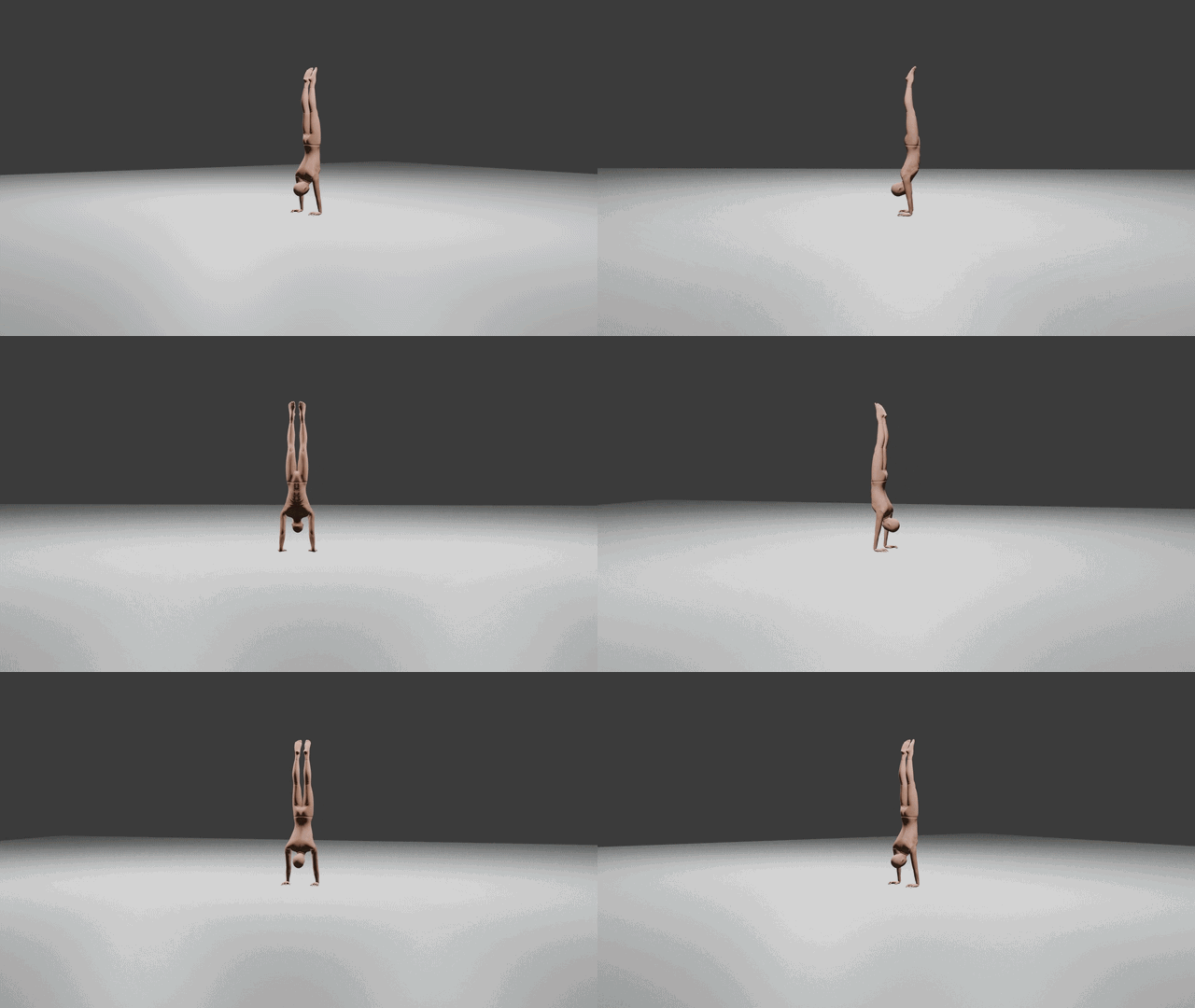
The goal is to climb the wall so high that your body gets as straight as possible against the wall, but this obviously will not be possible or safe at the beginning so work your way up. The important thing is to keep your upper body and back straight with your head between your shoulders. At first it feels like you are going “over” but then you really are in a straight line and you should get used to it.
A common mistake is that your shoulders and head are too far back and then it is really hard to hold a handstand because you are not in a straight line and your shoulders are taking a lot of weight so they tire fast.
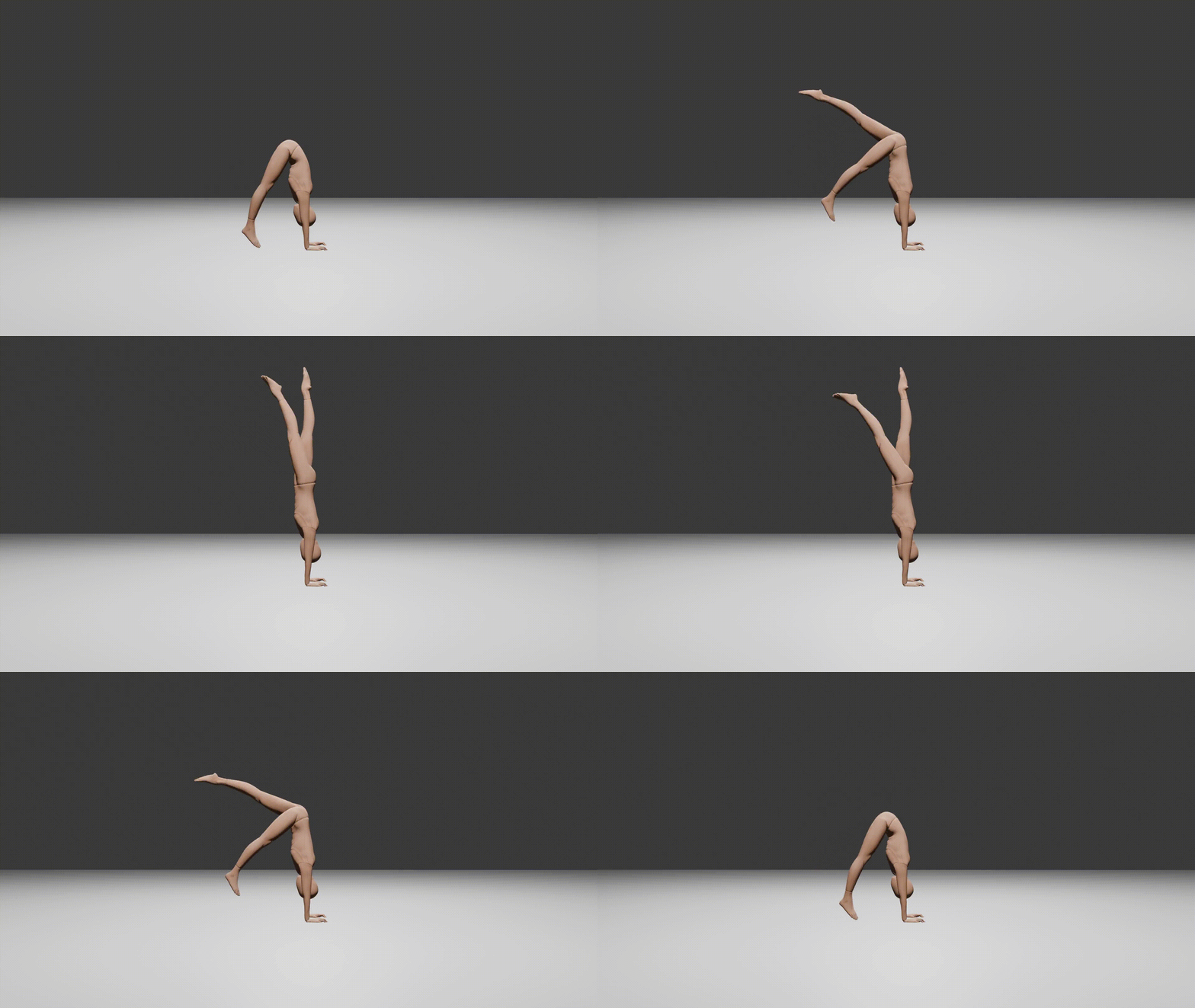
Another tip in the wall assisted handstands is to focus on your fingers. Your fingers are what you use to keep balance by pushing your body back when you are about to fall over. Try to lean a bit overboard and push back with your fingers. Keep one of your leg over your head so it gives you enough counter weight so you don’t fall over while practising. - Learning the kick up to handstand is also done with a wall to assist you but this time you are the other way around. So instead of climbing the wall with your stomach facing the wall, now go another way around and your goal is to kick yourself up so your back is facing the wall in the handstand position.
First time kicking up can be a bit scary, but once you do it for the first time you get comfortable and instantly build trust towards yourself and the wall and rest is easy. If possible get a friend or someone to help you get your first kick up wall assisted handstand.
Place your hand as close to the wall as possible but leave a small gap for safety. Your goal now is to learn the kick up and balancing with your hands. It’s easier and more dangerous to fall over, so this way the wall is always there to catch you and if you fall back you can take that with your legs. - Start learning handstand balance with toe taps. In this practice you go in to the wall assisted handstand position with and you alternately lift one leg at a time off from the wall. Do this one leg at a time by tapping your toes to the wall as lightly as possible. This will improve your balance because now you are holding yourself only with one leg and the other leg is shifting your center mass.
Once you get comfortable with this you can try to change the pace by lifting your other leg earlier than when your other legs are back at the wall. This way you will have a small window where you are in an unassisted handstand only balancing with your hands!
Do these till they become easy and slowly start trying to hold the handstand without the wall assistance by just leaving your legs in the air. Remember to keep your arms, body and legs straight and shoulders engaged. Imagine like you are pushing the floor with your arms. This helps to keep your arms straight and it lifts some weight off your shoulders. If your elbows are even a little bit bent, all that holding strength is coming only from your shoulders and they will get tired fast. - Now lastly kick up to full handstand hold. In short, successfully kicking up to a handstand without falling over and holding it there comes through repetitions, repetitions and repetitions. With enough kick up repetitions sooner or later all the things you need to focus on and do, will click in your brain and you will know exactly in what position to start from, how to place your hands, when to engage shoulders and how fast you need to kick up, but there are few technicalities.
The kick up should happen one leg at a time. Basically you will overshoot your first leg with excessive force, but don’t worry too much about it. Your second leg is there to counter weight and balance both of your legs. While kicking up, focus on pushing the ground to keep your arms and shoulders engaged. If you start falling over push with your fingers and if you are falling backwards push with your palms. If you are falling with too much momentum, you will fall. The trick is to do so little movements that you are always able to counter it the other way.
Warming up for handstands is important. They can be heavy on your wrists so warm them up and stretch them. Normally they should not hurt your wrists, but it is always a good idea to warm them up before any bodyweight exercise.
Also warm up your shoulders by doing stretching and maybe few push ups and pike push ups, but don’t tire them too much so you still have strength to hold handstands
Handstand hold is one of the first skills that you should learn when starting calisthenics. It will unlock many more advanced cool skills like handstand push ups. And being able to learn and hold handstand will give you a huge motivation boost, because at first it feels so impossible but once you get that first really controlled hold where you fall not because lost of balance but because your get tired it will feel amazing and prove to you that all the other impossible feeling skills are actually possible to learn and master with enough practice and consistency.