
Starting calisthenics can feel confusing at first. You might see advanced athletes doing pull-ups, handstands, and muscle-ups and think you need to be strong before you even start.
But the truth is simple: calisthenics is one of the best ways for beginners to build strength at home — and you don’t need any experience to start.
In this guide, I’ll show you exactly how to begin calisthenics step by step.
What is calisthenics?
Calisthenics is a type of training where you use your own body weight instead of machines or heavy weights.
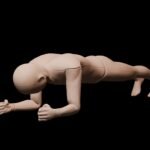
Examples of calisthenics exercises:
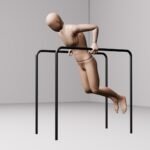
It’s popular because you can train almost anywhere, especially at home but also at the gyms. I myself like to train calisthenics at the gym mainly because I don’t have a pull up bar at home and also no way of doing dips at home.
Can beginners start calisthenics?
Yes — and beginners are actually the people who benefit the most from it.
You don’t need to be strong to start. You only need:
- Basic consistency
- Simple exercises
- A beginner-friendly plan
Calisthenics builds strength step by step, so even if you can’t do push-ups or pull-ups yet, you can still begin with easier versions.
Step 1: Start with the basic exercises
Before trying advanced skills, focus on the exercises that build real strength.
The best beginner calisthenics exercises are:
- Push ups (or knee push-ups if full ones are too hard)
- Bodyweight squats
- Lunges
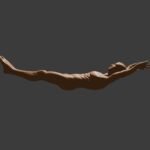
- Hollow body holds
- Incline push-ups (hands on a chair or table)
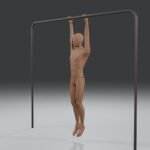
- Assisted pull ups if you have a bar
These exercises train your entire body and help you build a strong foundation.
Step 2: Train 3 times per week
You don’t need to train every day to see results. In fact, beginners improve faster when they keep it simple.
A good beginner schedule:
- Monday – Full body workout
- Wednesday – Full body workout
- Friday – Full body workout
This gives your muscles time to recover and grow between workouts.
Step 3: Follow a simple beginner workout
Here’s a beginner calisthenics workout you can start with at home:
Workout:
- FIRST STRETCHING
- Push ups – 3 sets of 5–10 reps
- Squats – 3 sets of 10–15 reps
- Lunges – 3 sets of 8 reps per leg
- Hollow body holds – 3 sets of 20–40 seconds
- Assisted pull ups – 2 sets of 8–12 reps
Take 60–90 seconds rest between sets.
Do this workout 3 times per week and try to improve slightly every week.
Step 4: Focus on progress, not perfection
Many beginners quit because they expect fast results. But calisthenics works best when you focus on small improvements.
Examples of progress:
- 5 push ups → 6 push ups
- 20-second hollow body hold → 25-second hollow body hold
- 10 squats → 12 squats
- 6 assisted pull ups → first real pull up without assistance
Small progress every week leads to big results over time.
Do you need equipment for calisthenics?
No — you can start with absolutely nothing.
But a few simple things can make training easier:
- A pull up bar
- A chair or any (for incline push-ups)
- A small space on the floor
- A workout mat (optional)
That’s enough to build strength at home.
How long does it take to see results with calisthenics?
Most beginners start noticing changes after 3–4 weeks, especially in strength.
You might not look much bigger yet, but you’ll feel:
- Stronger
- More energetic
- More confident during workouts
And that’s the first step toward real muscle growth.
Starting calisthenics at home doesn’t need to be complicated. You don’t need a gym, expensive equipment, or advanced workouts.
All you need is:
- A few basic exercises
- 3 workouts per week
- Consistency
If you stay consistent for a few months, you’ll be surprised how much stronger you become.