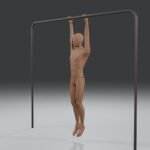

What Are Hanging Leg Raises
Having leg raises are a great core and ab muscles workout, that also improves your grip strength. As the name suggests, you do them by hanging from a bar and raising your legs up. You can do them with straight legs or knees bent or easier variation. You can also adjust the difficulty by how high you raise your legs. Try to aim for a 90 degree angle, but once you advance you will be able to do harder variations like the Toes To Bar exercises. (linkki Toes To Bar Exercise)
How To Do Hanging Leg Raises
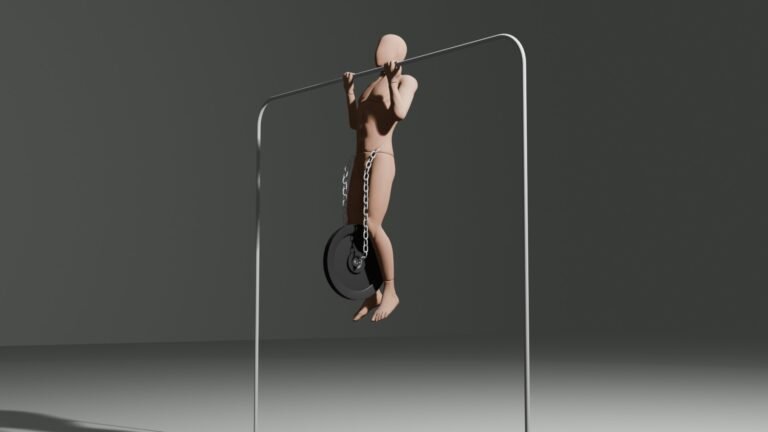
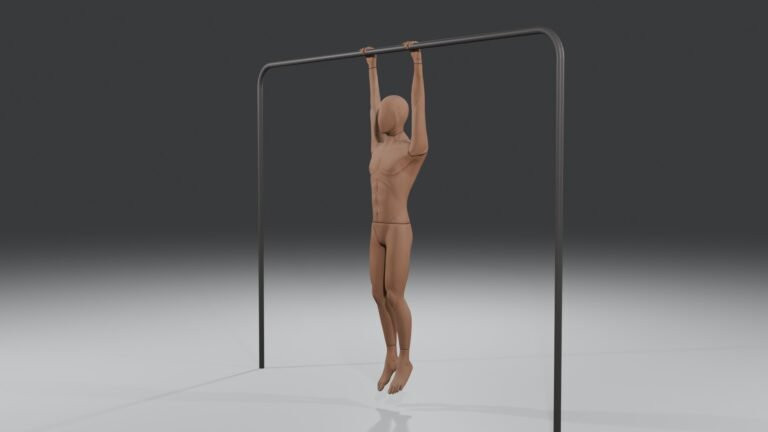
Start by hanging from a bar. You can basically use anything that you can hang from and have your legs in the air.
While hanging straight, activate your shoulders and tighten your core while staying in place – don’t let your body swing.
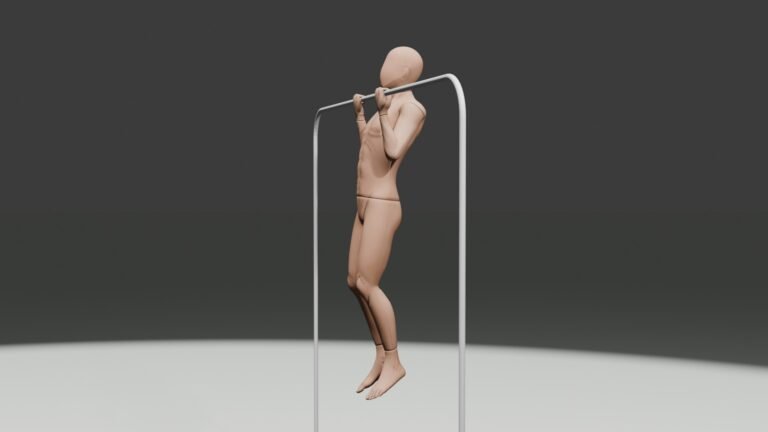
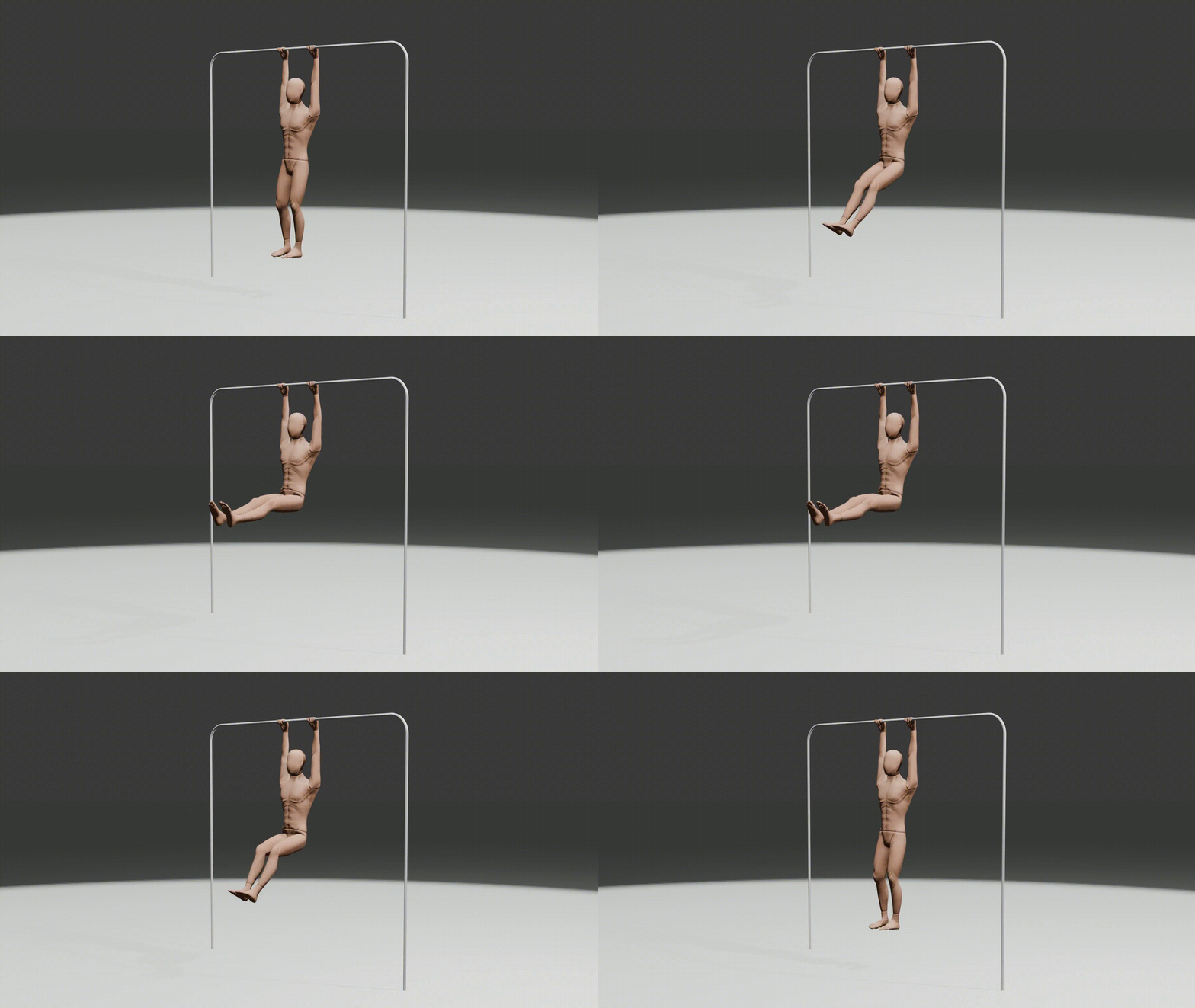
From a straight hanging position, bend your knees a bit and start lifting your legs up. Aim for about 90 degree angle in your hips and repeat.
Controlled and clean movement is the key to gain strength and progress fast while preventing injuries. Try to keep your upper body in place and raise your legs without swinging while really squeezing those abs hard. Focusing on lowering your legs controllably will boost your progression hugely.
Poor hip mobility can make lower-body exercises harder than they should be. Tight hip flexors are especially common among people who sit for long periods or train intensely without enough mobility work. Learn how to improve flexibility and movement quality in our guide to tight hip flexors and hip mobility.
Hanging Leg Raises Progression
First of all, you should have some core strength and be able to do a decent amount of time in a passive hang position. Being able to hold a dead hang for 30 to 60 seconds gives you enough grip strength to start doing hanging leg raises comfortably.
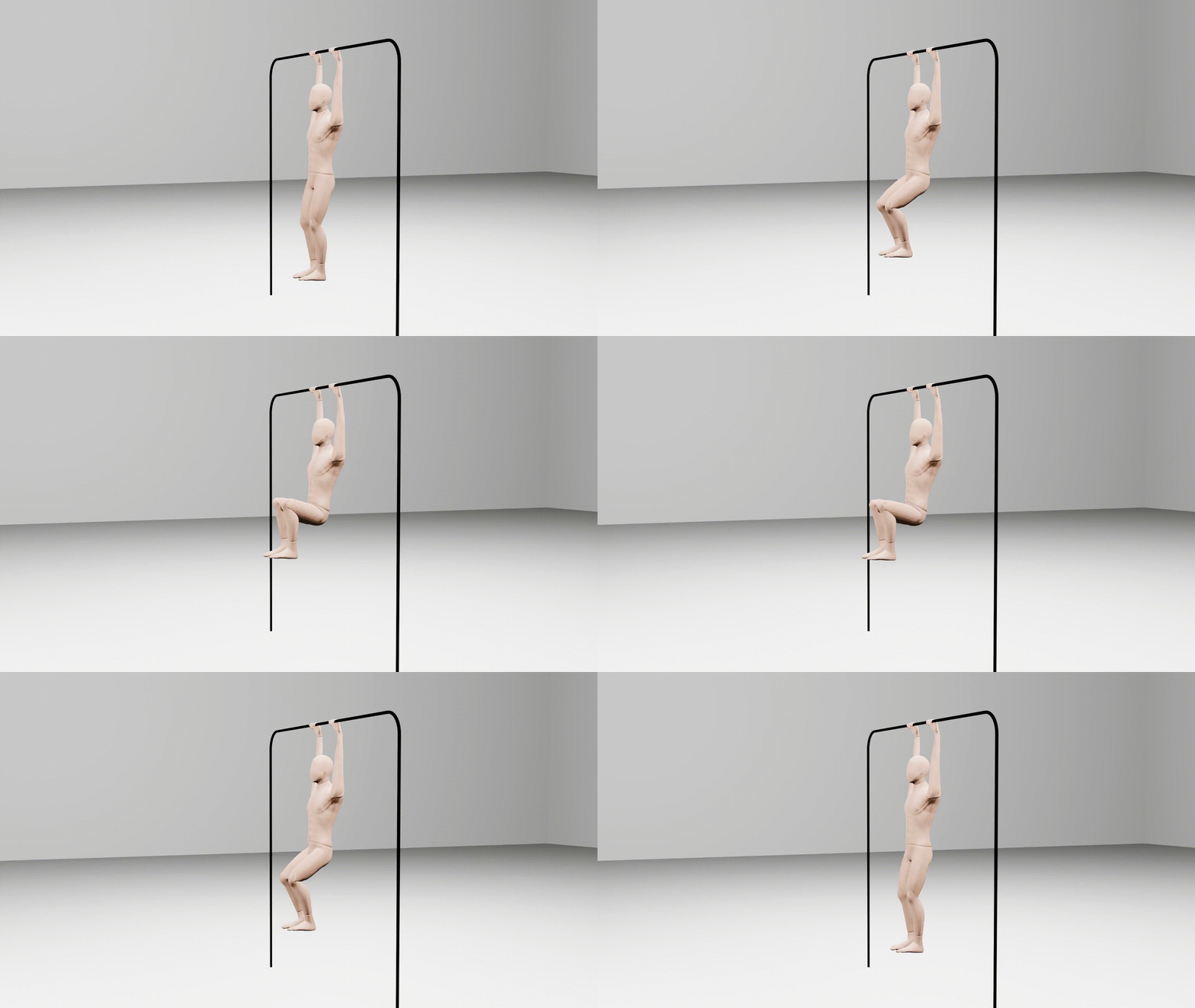
Hanging leg raises are actually just abs lifting your pelvis, so to do leg raises you are just curling your pelvis. The legs are just hanging around there but you can use them for progression.. So the progressions start with the least amount of extra “weight” and progressively adding “weight” with your legs.
Start your progression with bent knee raises. By having your knees bent will shorten the lever thus making leg raises easier. Once you can do 3 sets of 12 reps with bent knees you can for sure switch to straight legs.
Hanging leg raises with straight legs will be one of your main core exercise for sure. Try to really keep your legs straight by activating your glutes, hamstrings and thighs. A small bent in your knees is OK. Before doing straight leg hanging leg raises, I strongly recommend stretching your legs a bit and maybe do 10 slow and deep squats to get the flood flowing to your legs. Having tensions in your cold legs during leg raises can easily cause cramps and prevent you from doing your leg raises properly.
Once the hanging leg raises with straight legs starts feeling too easy and you can easily do 10-12 reps for 3-4 sets it is time to make it harder by holding that 90 degree angle for a second or two. This will train your holding strength that will help you maintain more difficult skills down the road like L-Sit and the Front Lever.
Benefits Of Hanging Leg Raises
While the easier version, lying leg raises, might be tempting because they feel easier, hanging leg raises really are not that much more difficult and they are worth learning as soon as possible.
Doing hanging leg raises as a part of your core and ab workout routine is highly beneficial for not only working out your deep ab muscles but also improving your grip strength, body awareness, mobility, flexibility and overall strength and durability. Also once you can do multiple clean leg raises it looks really cool.
Hanging leg raises are the foundation of many other calisthenic skills like the L-Sit and the Front Lever. Hanging leg raises will also unlock more advanced hanging core exercises like the Hanging Windshield Wipers and Toes To Bar, which both are great core exercises but you can’t do them unless you have the strength to do hanging leg raises.
Improve Your Results With Proper Training
If you’re doing hanging leg raises as part of your training, make sure you’re also focusing on proper form, progression, and consistency.
Most beginners struggle not because the exercise is bad, but because they’re missing the basics. If you are just starting out and looking to learn the basics of bodyweight training without equipment, this Beginner No Equipment Bodyweight Training Guide will get your started easily and you will make your workouts so much better and see result in no time!
Once you have the basics down, you can try this very simple Beginner Bodyweight Workout Plan to stay on track until you want to move onto some more advanced exercises.
If you are struggling with bad form, injuries or lack of motivation, you can also check these: