
The Ultimate Test of Relative Strength
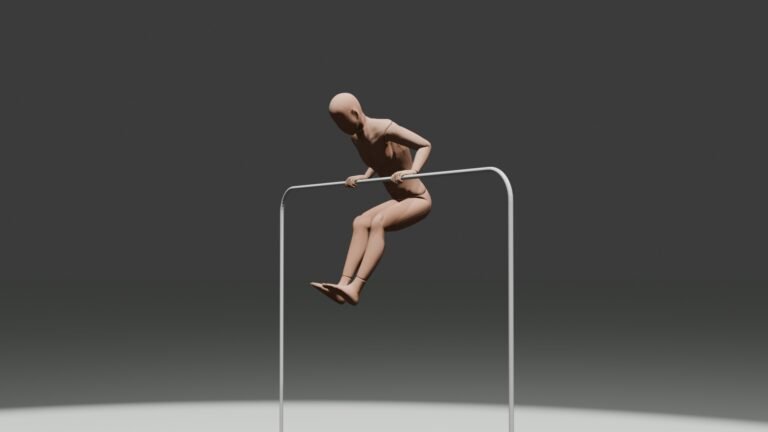
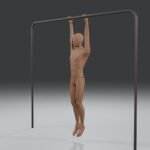
The One-Arm Pull-Up (OAP) is the pinnacle of bodyweight pulling power. Pulling 100% of your body mass with a single arm requires extreme lat recruitment, explosive neural drive, and unbreakable tendon integrity.
Because all resistance falls on a single arm, the OAP introduces rotational torque that forces your core, rear delts, and grip flexors to work at maximal capacity.
Building your baseline strength? If you cannot handle heavy added loads yet, master Weighted Pull-Ups & Explosive Power first.
For overall back anatomy, foundational programming, and grip mechanics, return to our central Ultimate Pull-Up Guide.
Strict Prerequisites for OAP Training
Attempting one-arm pull-up progressions prematurely exposes your connective tissues to severe strain. Ensure you meet these baseline requirements before starting:
- 15+ Strict Bodyweight Pull-Ups with pristine form and full lockout.
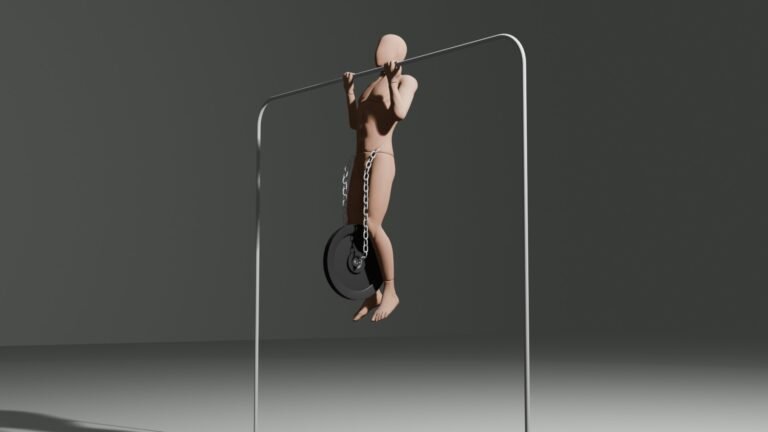
- Weighted Pull-Up with +50% Body Mass added for a clean single rep (for example you weight a 170 lb so you would be pulling +85 lbs).
- 30-Second Single-Arm Active Hang on each side with zero shoulder pain.
The 5-Step One-Arm Pull-Up Progression Ladder
Follow this step-by-step ladder to build unilateral pulling strength progressively:
Step 1: Archer Pull-Ups
Master horizontal unilateral assistance.
Grip the bar very wide. Pull your body up to one hand while keeping the opposite arm straight and sliding along the top of the bar. The straight arm acts strictly as a stabilizer.
Step 2: Towel-Assisted One-Arm Pull-Ups
Scale vertical hand offset.
Drape a towel over the bar. Grip the bar with your primary working hand and hold the towel lower down with your assisting hand. As you get stronger, grip lower on the towel to reduce assistance.
Step 3: Band-Assisted One-Arm Pull-Ups
Variable assistance through full ROM.
Attach a light resistance band to the bar. Hold the bar with your working hand and grip the band with your off-hand. The band provides assistance at the bottom stretch position where the movement is hardest.
Step 4: One-Arm Eccentric Negatives
Overload the eccentric phase.
Jump or use two arms to reach the top position with chin over the bar in a single-arm grip. Slowly lower your body on one arm over a full 5-to-8-second count down to a complete dead hang.
5.Step 5: Full Unassisted One-Arm Pull-Up:Complete unassisted mastery.
Initiate from a dead hang on one arm, depress the shoulder blade, drive the working elbow down toward your hip, rotate slightly into the bar, and pull until your chin clears the bar.
Unilateral Tendon Health & Joint Care
Because a single elbow joint absorbs your full body mass, OAP training places immense stress on the medial epicondyle and biceps tendon.
- Never Train Through Sharp Pain: Unilateral tendonitis takes months to heal. At the first sign of inner elbow ache, pause OAP work immediately and apply the rehab protocols in How to Fix Elbow & Shoulder Pain During Pull-Ups.
- Use Gymnastics Rings: Performing OAP progressions on suspended gymnastics rings allows your working arm to rotate naturally during the pull, drastically reducing elbow joint torque. (Compare ring setups in our Best Home Pull-Up Setup & Gear Guide).
Sample OAP Weekly Training Program
Because neural demands are high, limit dedicated OAP skill work to 2 sessions per week with ample rest between sets:
Session A (Explosive Unilateral Power)
- One-Arm Pull-Up Progression Drill: 4 sets x 2–3 reps per arm (3–4 minutes rest between sets)
- Single-Arm Active Hangs: 3 sets x 15–20 seconds per side
- Inverted Single-Arm Ring Rows: 3 sets x 8 reps per arm
Session B (Eccentric Overload & Strength)
- One-Arm Eccentric Negatives (5-sec lowering): 3 sets x 2 reps per arm
- Heavy Weighted Pull-Ups: 3 sets x 3 reps
- Forearm & Bicep Tendon Prehab: 3 sets x 15 reps (Eccentric wrist curls)
Frequently Asked Questions (FAQ)
Q: Should I use a pronated (overhand) or supinated (underhand) grip for a one-arm pull-up?
A: Most athletes find a neutral or semi-supinated grip (or using gymnastics rings) easiest because it maximizes bicep and brachialis engagement while keeping the shoulder in a safe rotation.
Q: How long does it take to learn a one-arm pull-up?
A: For an athlete who already has strong weighted pull-ups (+50% body weight added), dedicated OAP progression typically takes 6 to 12 months of consistent, periodized training.
Q: Is the one-arm chin-up easier than the one-arm pull-up?
A: Yes. An underhand or neutral grip allows greater bicep recruitment to assist the lats, making a one-arm chin-up slightly easier to lock out at the top than a strict overhand one-arm pull-up.