
You don’t need a gym membership or expensive equipment to get in shape. You can Get in shape without a gym, in a few weeks and see results visible results even as a beginner.
If you’ve ever thought:
- “I should start working out”
- “But I don’t want to go to the gym”
- “I don’t even know where to start”
You’re not alone.
Here’s the truth:
👉 Most people don’t fail because they don’t try — they fail because they don’t have a clear plan.
If you want to get stronger, improve your fitness, or start exercising at home, bodyweight training is one of the simplest ways to begin. You don’t need a gym, machines, or expensive equipment—just your own body and a bit of consistency.
This guide will show you exactly how to start bodyweight training as a beginner, what exercises to do, how to structure your workouts, and how to progress safely without getting stuck.
What is bodyweight training?
Bodyweight training is a form of strength training where you use your own body as resistance instead of weights or machines.
Common examples include:
- Push-ups
- Squats
- Planks
- Lunges
- Glute bridges
It builds strength, endurance, coordination, and control using natural movement patterns.
How does bodyweight training, also know as calisthenics differ from weightlifting? Read more about that here.
Why bodyweight training is perfect for beginners
1. No equipment needed
You can train anywhere—home, park, or even your bedroom.
2. Easy to start
You can scale every exercise to your level.
3. Builds real strength
You learn how to control your body, not just lift weight.
4. Low injury risk (if done correctly)
When you focus on form, it’s very safe for beginners.
The 5 basic movement patterns you need to learn
Every good bodyweight program is built on these patterns:
1. Push (chest, shoulders, triceps)
- Push-ups
- Incline push-ups
- Knee push-ups
2. Pull (back)
- Superman holds
- Table rows (if available)
- Resistance band rows (optional)
3. Squat (legs)
- Bodyweight squats
- Tempo squats
- Chair squats
4. Hinge (glutes, hamstrings)
- Glute bridges
- Hip hinges
5. Core (stability)
- Planks
- Dead bugs
- Leg raises (advanced)
How to start bodyweight training (step-by-step)
Step 1: Start simple
Don’t try advanced workouts. Begin with basic movements.
Step 2: Focus on form first
Quality matters more than reps. Slow and controlled movement builds better strength.
Step 3: Train 2–3 times per week
Your body needs rest to adapt and get stronger.
Step 4: Repeat the same basics
Beginners improve faster by repeating simple workouts instead of constantly changing them.
What if you could train at home and still see real results?
Bodyweight training works — if:
- you use the right exercises
- you follow a structured plan
- you know how to progress
Below are a few fundamental movements to get you started 👇
Basic Bodyweight Exercises Without Equipment
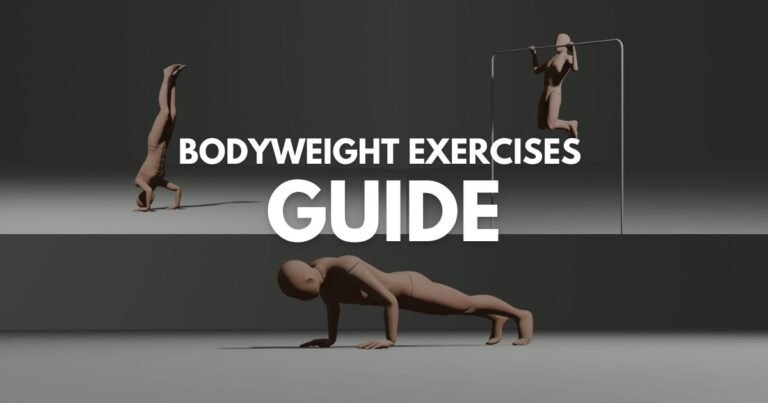
Our beginner bodyweight exercises guide will dive deeper into beginner exercises but also introduces you to more advanced calisthenics skills.
Push-Ups
Targets chest, shoulders, and triceps
Push ups are the world’s most versatile bodyweight exercise for upper body muscles and the foundation of all horizontal pushing power. They doesn’t just sculpt your pecs and triceps, they forces your entire core to act as a stabilizing bridge.
Read here out more comprehensive push up guide.
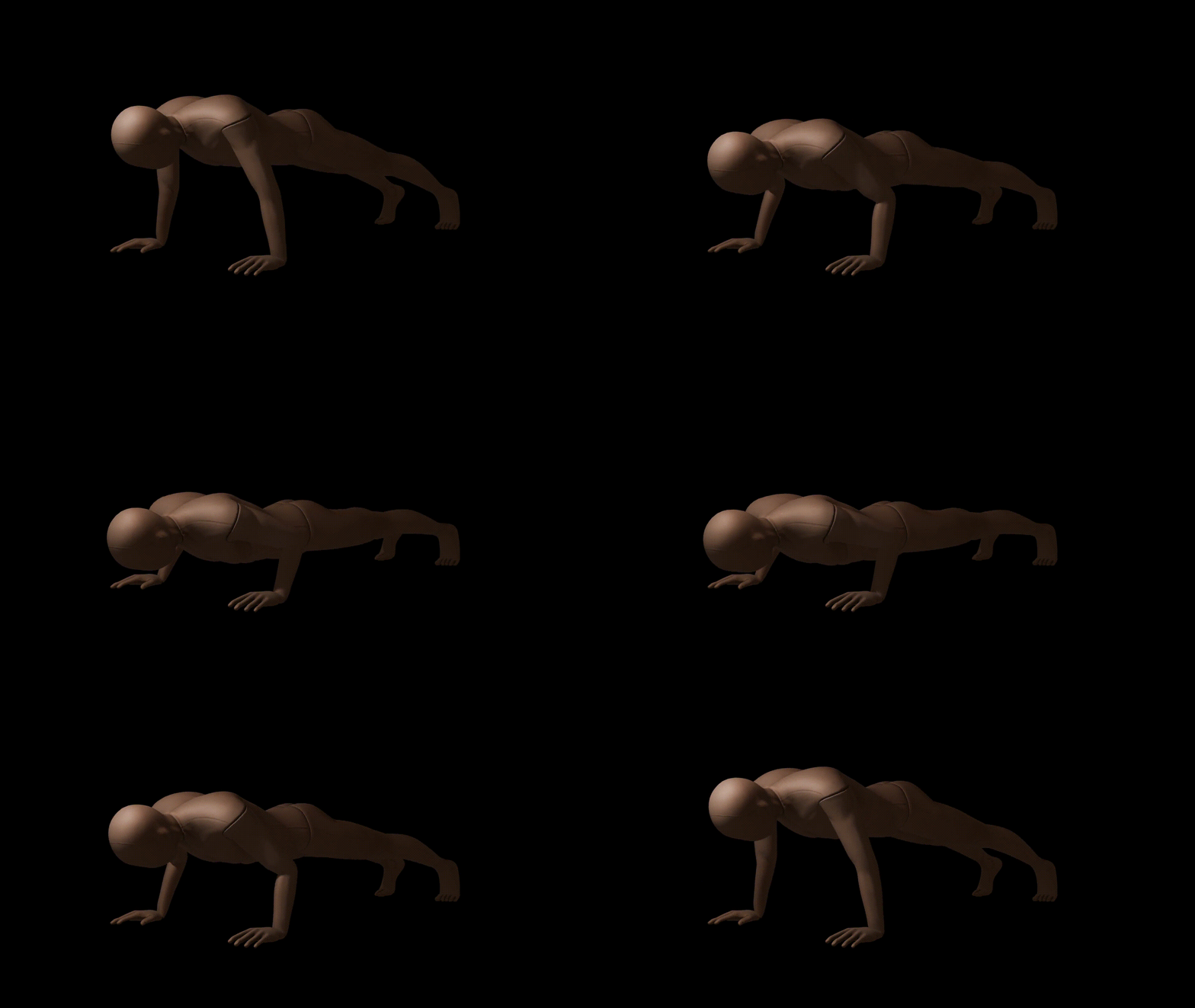
Tip: Keep your body straight — don’t let your hips sag. For more information about push ups, we have made a comprehensive guide about this right behind this link!
Bodyweight Squats
Targets legs and glutes
No physique is complete without functional and strong legs, and the bodyweight squat is where that strength is built. Mastering this movement improves hip mobility, protects your knees, and builds the foundational lower-body strength needed for other movements.
Read here out more comprehensive bodyweight squat guide.
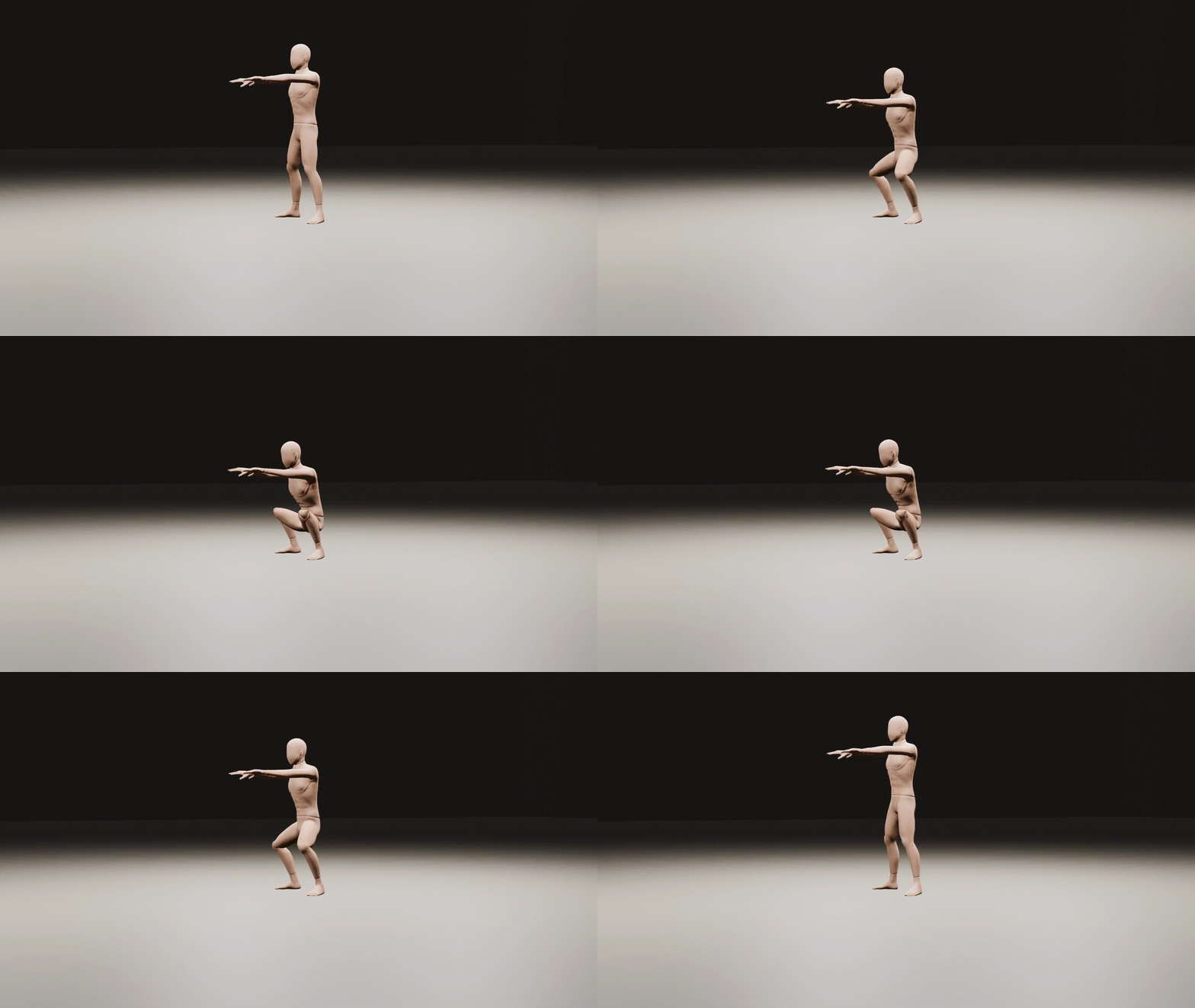
Tip: Keep your knees tracking over your toes. For more information about bodyweight squats, we have made a comprehensive guide about this right behind this link!
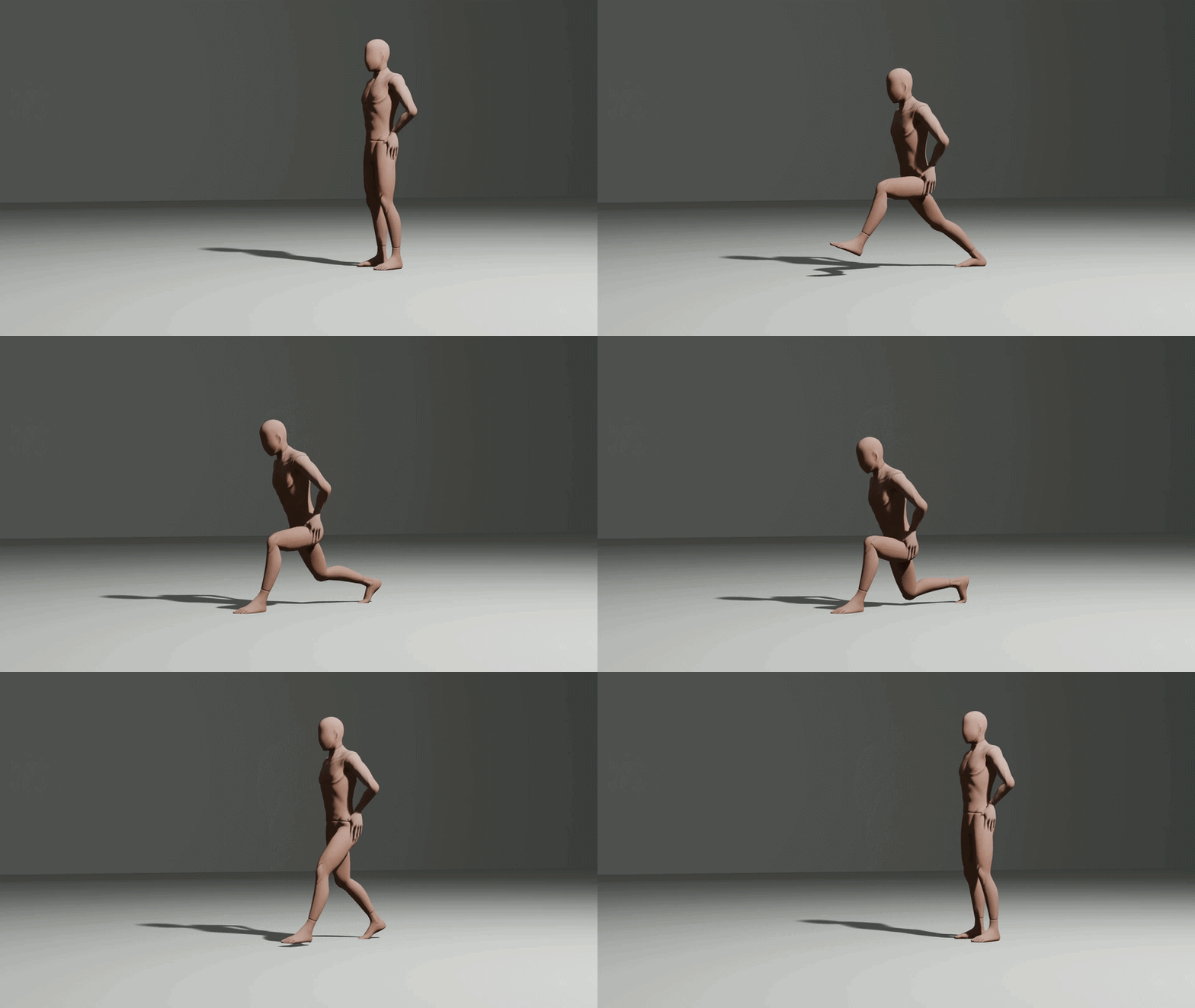
Lunges
Targets legs and glutes
Lunge is a lower-body exercise that strengthens the quadriceps, glutes, hamstrings, and calves while improving balance, coordination, and stability. It involves stepping one leg forward, backward, or sideways and lowering the body until both knees bend comfortably. Because each leg works independently, lunges help correct muscle imbalances and enhance functional movement used in walking, running, and climbing stairs.
Limited hip mobility can reduce exercise performance and increase tension in the lower back and legs. If your hips feel stiff during training, you may be dealing with tight hip flexors. Our detailed guide on how to fix tight hip flexors covers stretches, mobility drills, and strengthening exercises that can help.
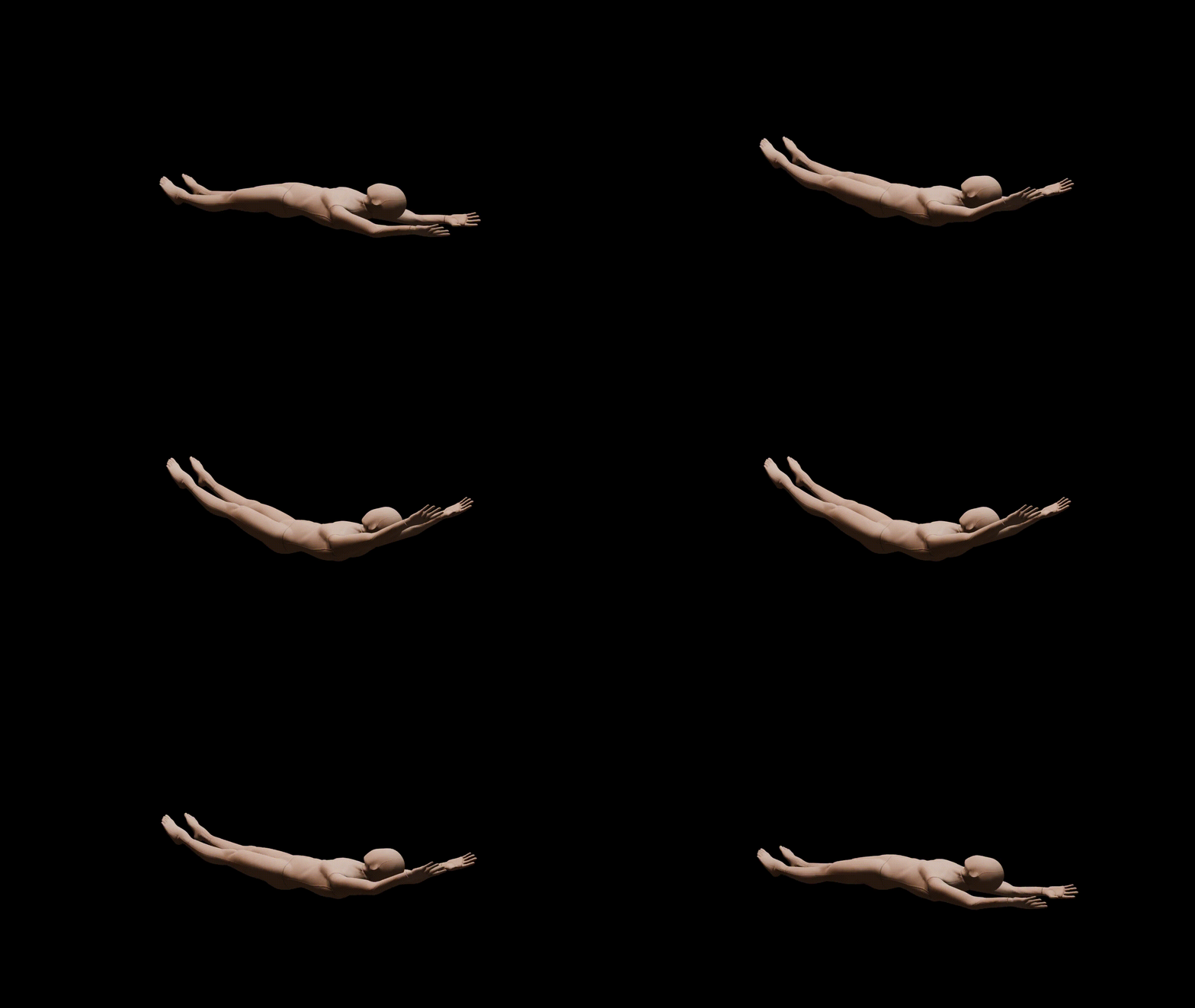
Hollow Body Holds
Targets core and abs
The hollow body hold teaches you how to keep your entire torso “under tension.” It is the most effective way to eliminate lower back arching and build the deep core strength required for advanced skills like handstands and levers.
Read here out more comprehensive hollow body hold guide.
Plank
Targets core
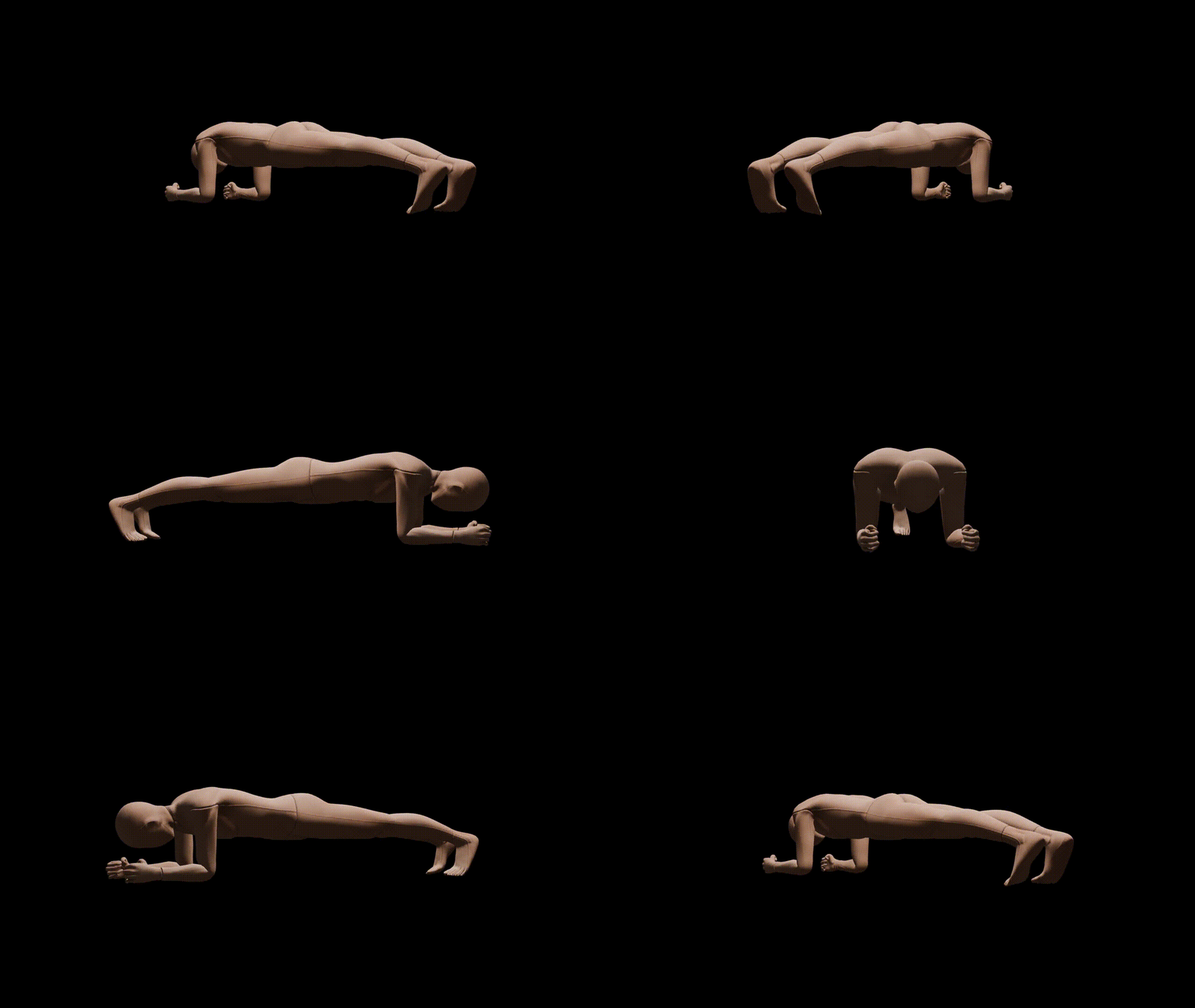
Tip: Don’t let your hips drop — stay tight. For more information about plank, we have made a comprehensive guide about this right behind this link!
Crunches
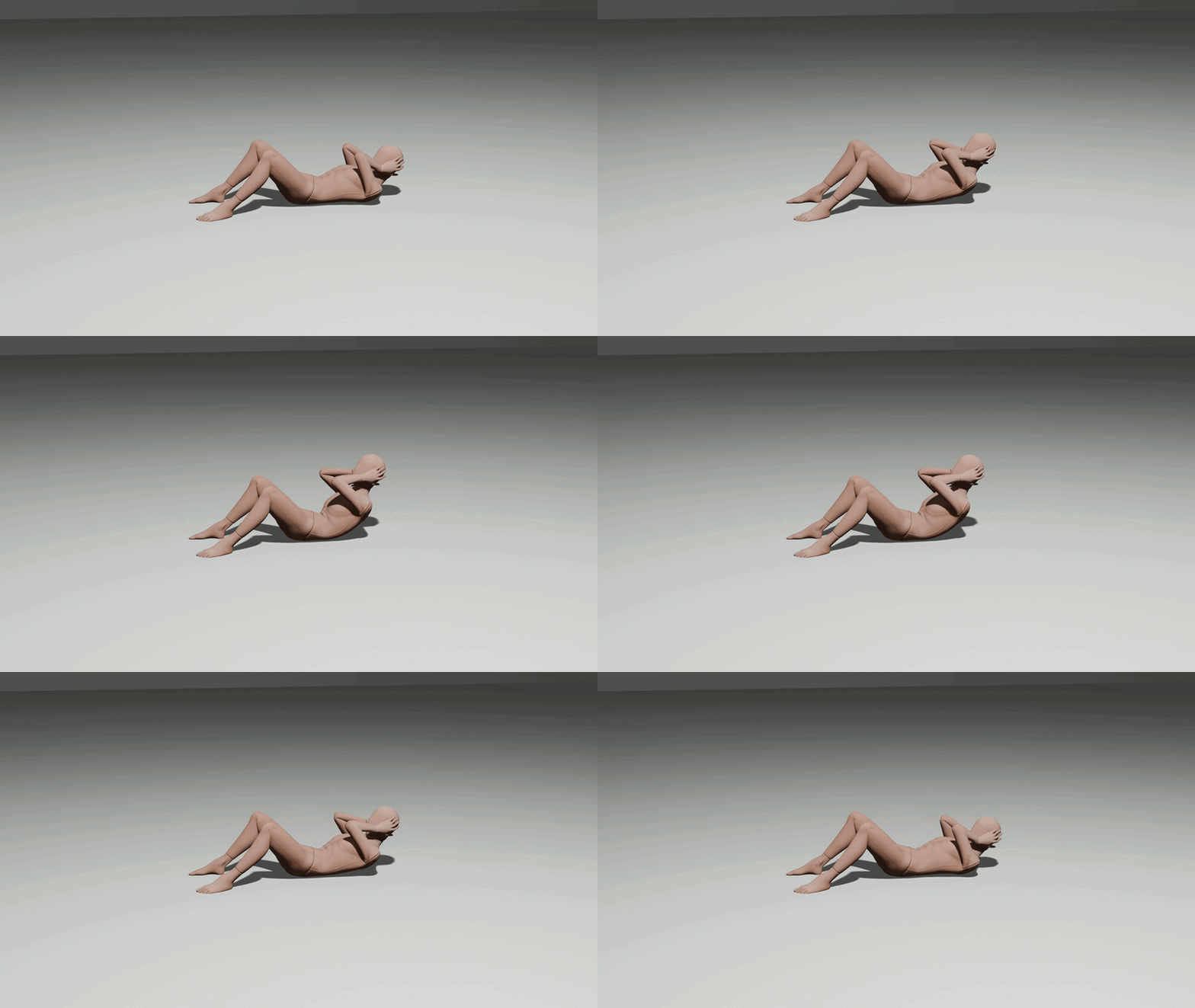
Crunches require zero equipment and isolate your upper abs far better than traditional sit-ups without straining your lower back.
Adding a few strict, controlled sets of crunches to the end of your home workouts is one of the easiest ways to build core stability and abdominal definition.
Pro Tip: Avoid pulling on your neck or swinging for momentum! To learn strict execution, avoid common injury traps, and follow our 4-week core routine, check out this ultimate crunches guide.
Pull Ups
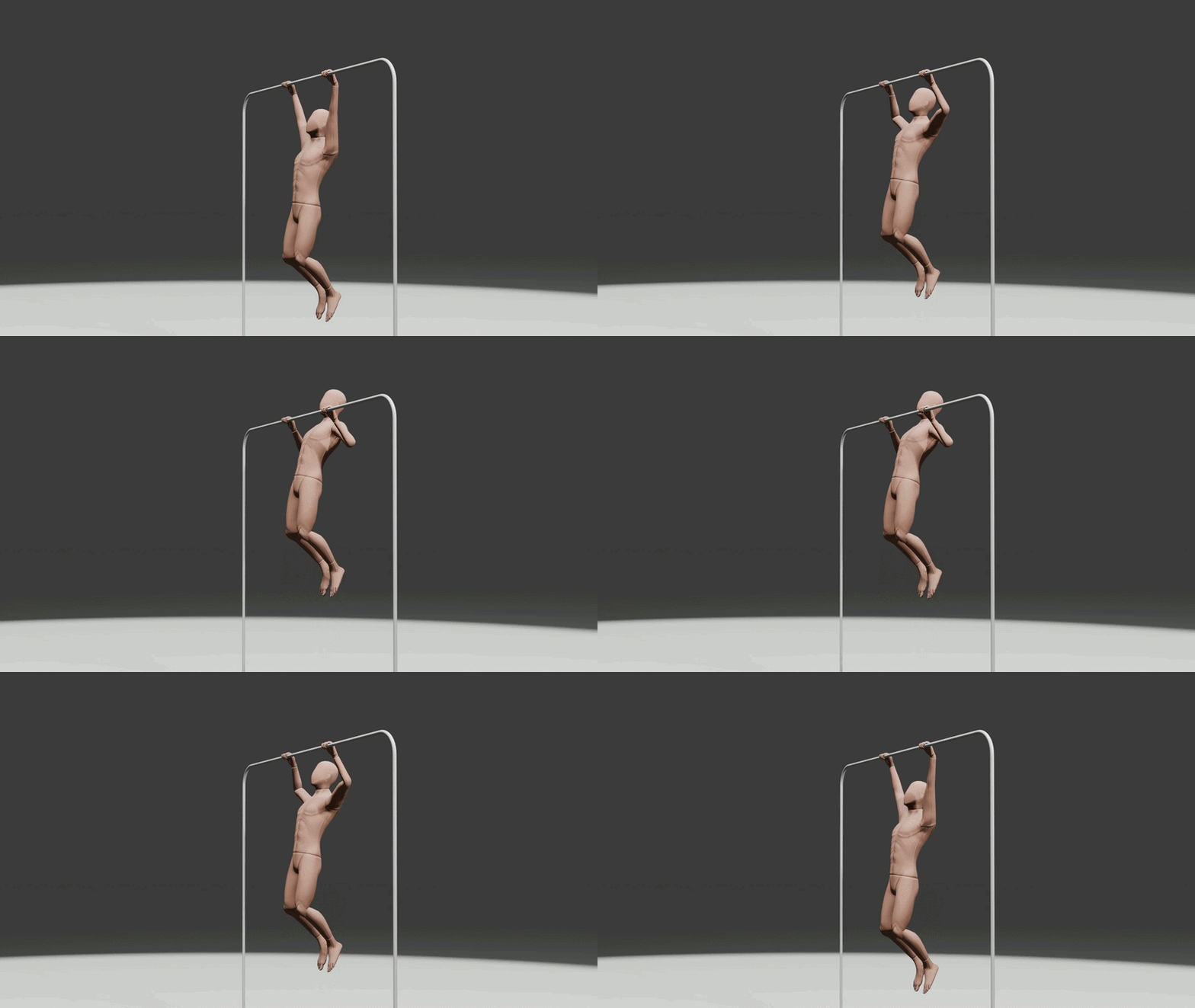
I know these pull ups might not be the first basic bodyweight exercise that everyone can do or even possible without “equipment”. I still wanted to include it here since it is the best exercise for back muscles and lats.
Pull ups are the undisputed king of upper-body pulling movements. By lifting your entire body weight from a dead hang, you develop a strong back and increase grip strength.
If you can’t do pull ups, try with a resistance band or start with inverted rows.
Read here out more comprehensive pull up guide and click here to learn more about inverted rows.
Dips
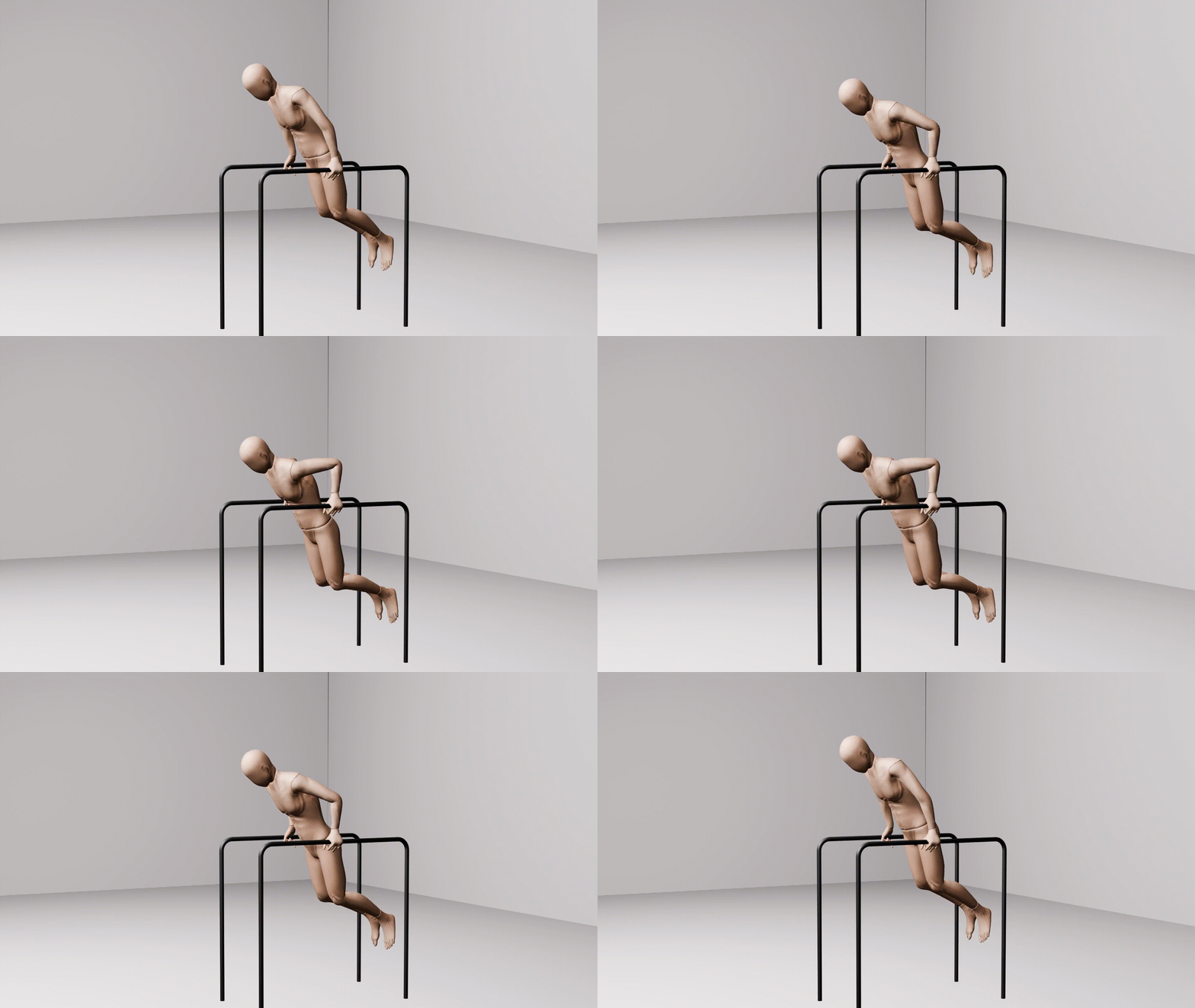
Dips are not the most beginner friendly exercise and they require some equipment, like bars but if you find yourself in a place where you are able to do them I highly recommend them for their versatile muscle targeting. Dips target chest and triceps. You can’t find better bodyweight exercise for triceps than dips.
Often called the “squat of the upper body,” dips are a high-intensity compound movement that targets the lower chest and triceps. Because your body is suspended in mid-air, they require a level of stability and raw power that traditional presses can’t match.
There are easier variation of dips if you can’t do them yet. Read here out more comprehensive dip guide.
Here’s where most people go wrong
They:
- do just some exercises randomly
- have no structure
- don’t track progress
And eventually quit when results don’t come.
Beginner bodyweight workout plan (3 days per week)
Workout A
- Squats – 3 sets of 10–15 reps
- Push-ups (or incline/knee version) – 3 sets of 6–12 reps
- Glute bridges – 3 sets of 12–15 reps
- Plank – 3 sets of 20–45 seconds
Workout B
- Lunges – 3 sets of 8–12 reps per leg
- Incline push-ups or knee push-ups – 3 sets of 8–12 reps
- Superman hold – 3 sets of 15–30 seconds
- Dead bug – 3 sets of 10 reps per side
Weekly schedule example
- Monday – Workout A
- Wednesday – Workout B
- Friday – Workout A
(next week: B / A / B)
For more comprehensive guide on this workout plan you can visit this page.
How to progress (this is where results happen)
To get stronger, you need gradual progression. You can do this in simple ways:
- Add 1–2 reps each week
- Increase plank time by 5–10 seconds
- Move from incline → knee → full push-ups
- Slow down your movement for more difficulty
Progress doesn’t need to be complicated, just consistent.
Maximizing your home workouts with creatine
When you are training at home without fancy gym machines, your progress relies heavily on how intensely you can push your own bodyweight and how quickly you recover between home sessions.
Because you don’t need a gym membership to optimize your nutrition, adding the right baseline supplement to your daily routine can drastically improve your results from the comfort of your living room. Discover why pure creatine monohydrate is the most affordable, effective tool for home workouts in our comprehensive Creatine Bodyweight Guide.
Common beginner mistakes
1. Doing too much too soon
More workouts doesn’t mean faster results.
2. Ignoring form
Bad form leads to slow progress and frustration.
3. Switching workouts too often
Stick with a routine for at least 3–4 weeks.
4. Not resting
Muscles grow during recovery, not during workouts. Not enough rest and over training can also lead to injuries. Click here to read about my bets tips to prevent injuries while training.
How long does it take to see results?
If you train 2–3 times per week consistently:
- 1–2 weeks: better energy and movement
- 3–6 weeks: noticeable strength improvements
- 6–12 weeks: visible body changes and improved fitness
Do you need to do cardio too?
Not necessarily at the start. Bodyweight training already improves:
- heart rate
- endurance
- calorie burn
You can add walking or light cardio later if needed.
Cool skills to learn after getting started
What to do after this guide
Once you understand the basics, you should move into:
- Exercise technique (push-ups, squats, planks)
- Progression guides (how to get stronger)
- Structured challenges (7-day or 30-day plans)
Final advice
Start simple and stay consistent. Most beginners fail not because the training is too hard—but because they try to do too much too fast.
Master the basics first, and everything else becomes easier.