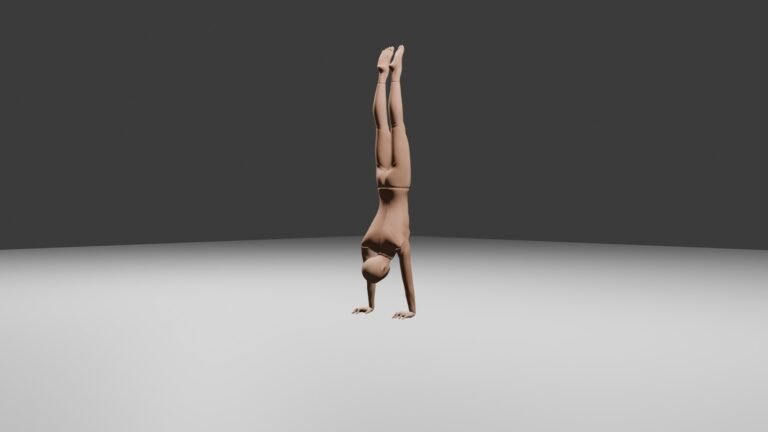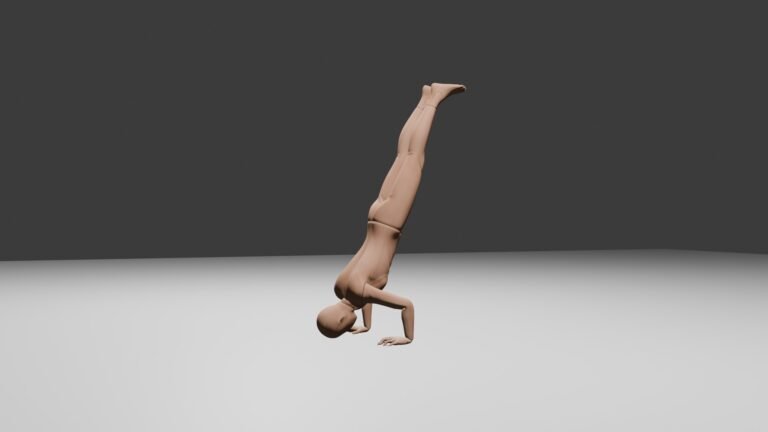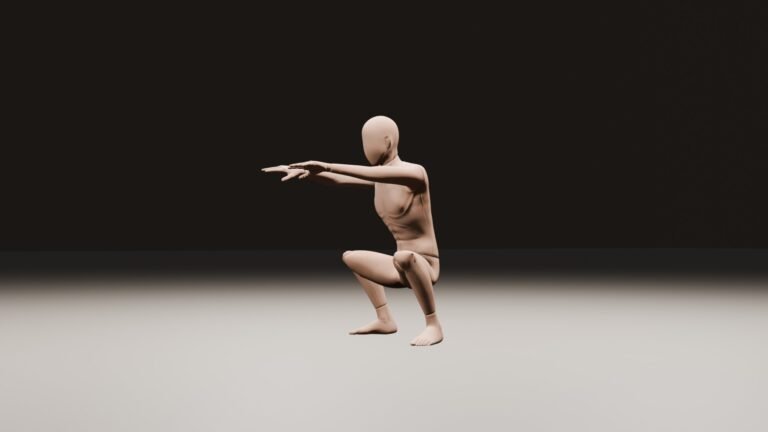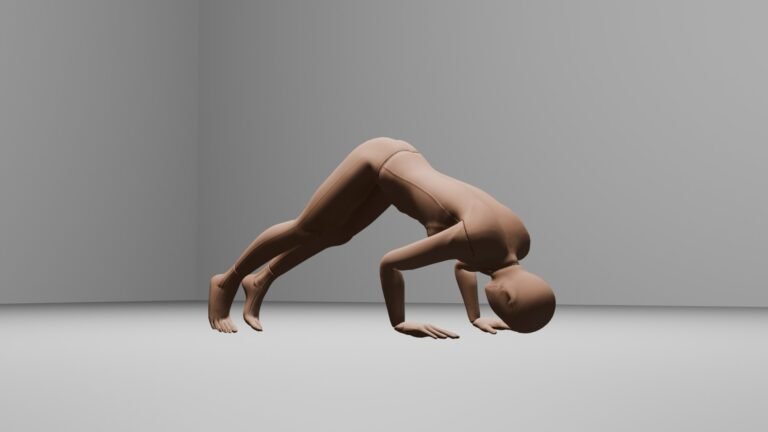

Doing a simple push up requires you to be in a horizontal position leaning towards your hands and having legs straight back, then going down bending your hands from elbows and then pushing your body up.
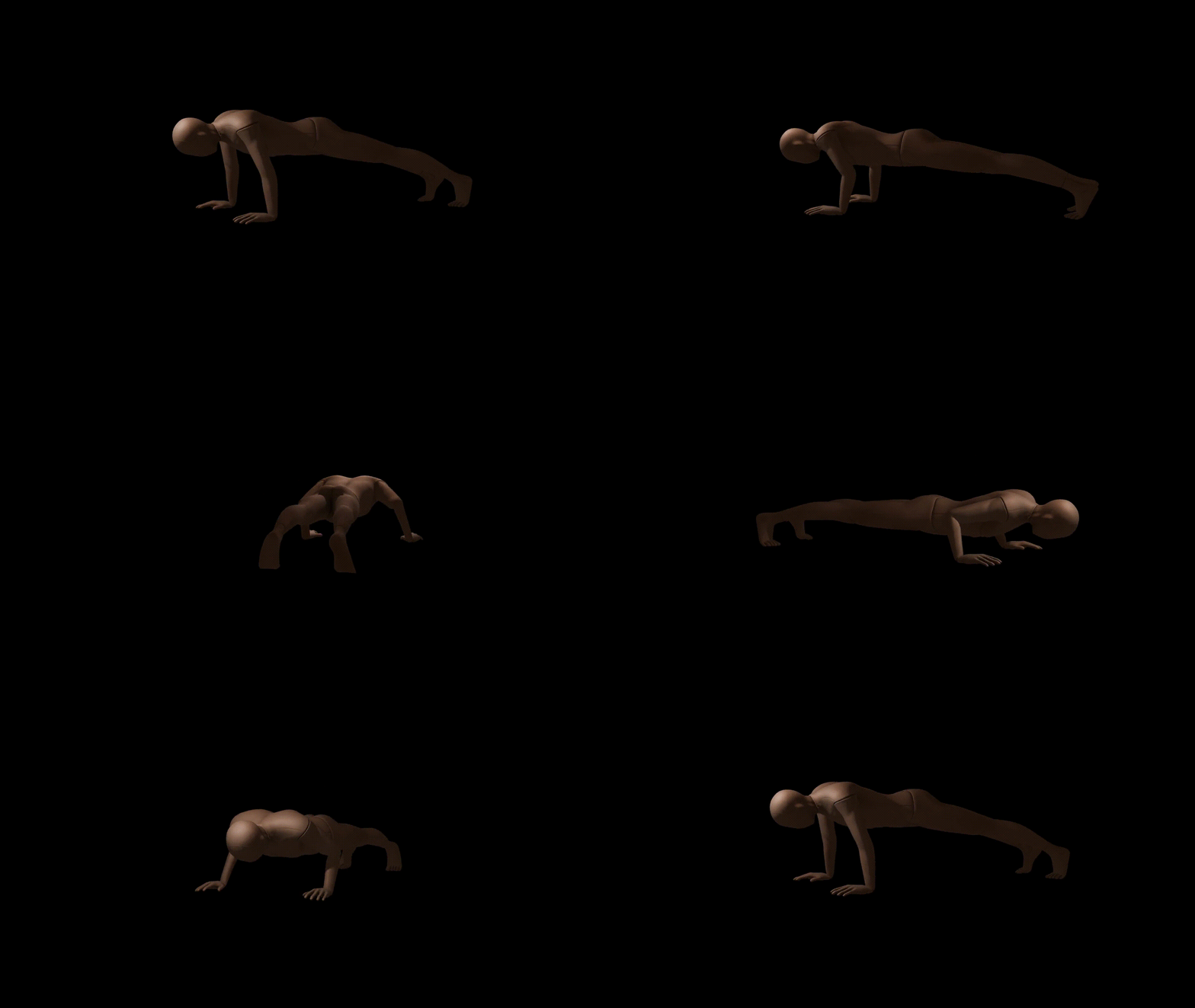
I have made these animations to demonstrate a proper way to do push ups. There are of course many different ways and variations that are demonstrated below, but this is how to do a “normal” push up the correct way. Targeted muscles are mostly chest but also front delts and triceps.
Push up is a simple, easy, bodyweight exercise that targets your chest, shoulders, front delts, biceps and triceps. Different, more harder and advanced variations of push ups like pike push ups and planche push ups will be your next step after you can comfortably do 3×20 push up sets.
Table of contents:
What Are Push Ups
How To Do Push Ups
Different Push Up Variations
Equipment For Push Ups
Benefits Of Push Ups
What Are Push Ups
Push ups are one of the most popular bodyweight workouts for targeting upper body parts, particularly chest, front delts, shoulders and triceps. Push ups are basically a bodyweight version of bench pressing – you lower your upper body and push yourself up using upper body muscles.
How To Do Push Ups
First of all to avoid injuries, remember to stretch and warm up a bit. A good warm up can include stretching your chest and shoulders with a gymstick, a wooden broom handle or any thing like that that you can think of.
It is also very important to stretch your wrists. In all bodyweight training that includes using wrists, injuries are very common especially at the beginning and also can stop you from pushing those reps to the maximum. While you train and do different workouts using your wrists, they will eventually get stronger but you must stretch them so as to prevent injuries. I find myself sometimes just casually stretching my wrists even if I’m not at the gym and I think that has really helped me to get strong and flexible wrists that do not hurt ever.
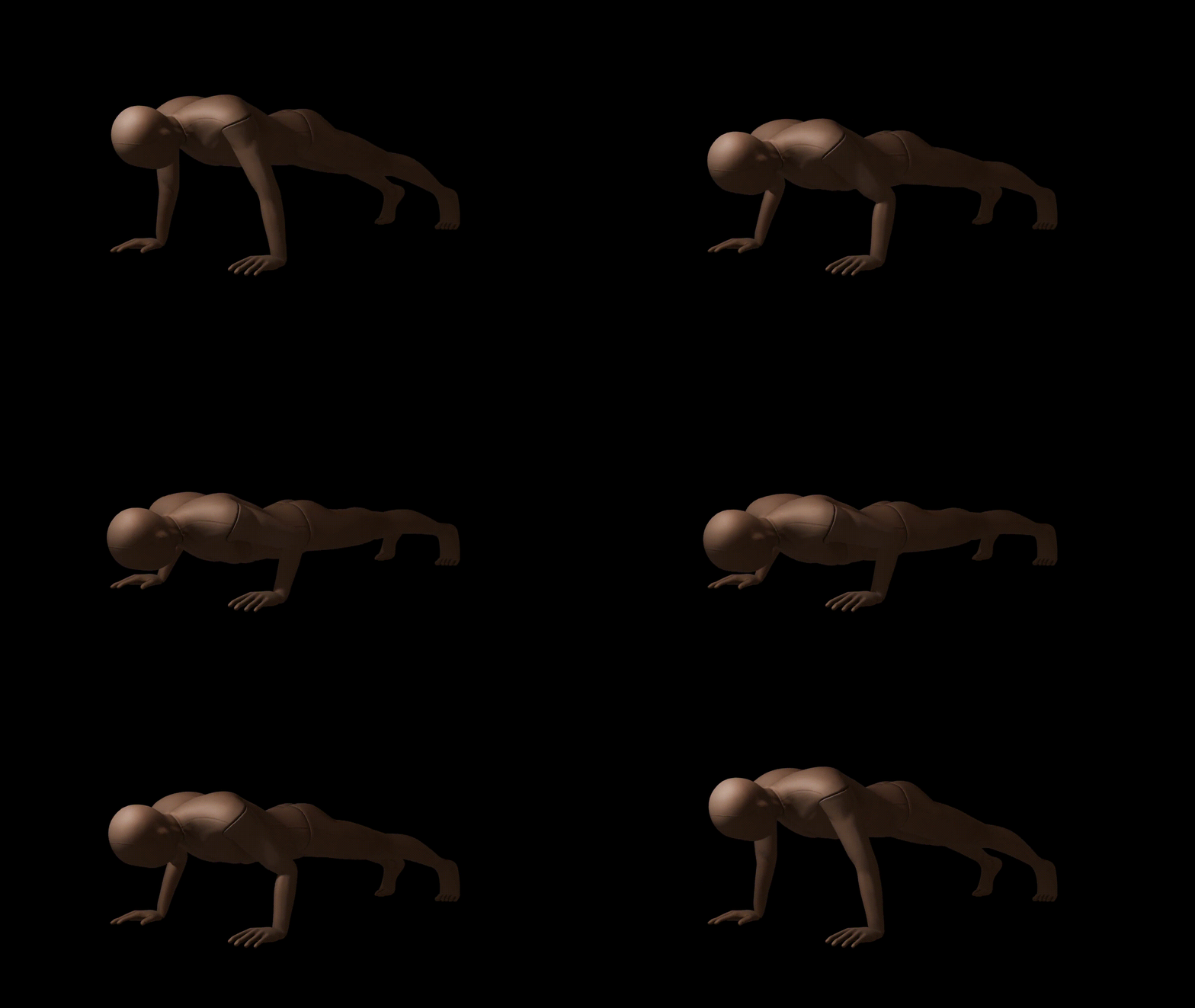
Now, to the push ups. Start by going down on your knees and place your both hands on the floor at about shoulder width. Then extend your legs straight back with only your toes touching the floor so you are not anymore on your knees but closer to a plank position with your shoulders, core, lower back and glutes all aligned and arms straight.
Squeeze your shoulder blades together, push your chest out, brace your core and start lowering your body towards the floor by bending your elbows while keeping them facing back – don’t let your elbows go loose and start facing more apart from each other to the sides.
Bring your chest as close to the floor as possible while keeping a straight position then push up! Push up so that your arms come back straight to the high plank position and then repeat. For more focused push ups try to go down a bit slower with full focus and control, have a small pause at the bottom and really focus on explosively pushing up.
After doing a few push ups you will also feel some burn in your abs because you will constantly squeeze them. Keeping an activated core during push ups not only give abs a small workout but it will help holding a stable plank whilst protecting your lower back and preventing injuries.
Different Push Up Variations
There are tons of different variations for doing push ups, some easier and some harder. You can do for example:
- narrow push ups
- wide push ups
- archer push ups
- incline push ups
- decline push up
- diamond push up
- pike push up
- push ups with equipment
- believe it or not, push ups with your legs in the air – a full planche push up
You can do easier versions of push ups first and as you progress move to more advanced and harder variations. Most importantly advance slowly and do movements properly and the right way with correct form for maximum gains and to prevent injuries.
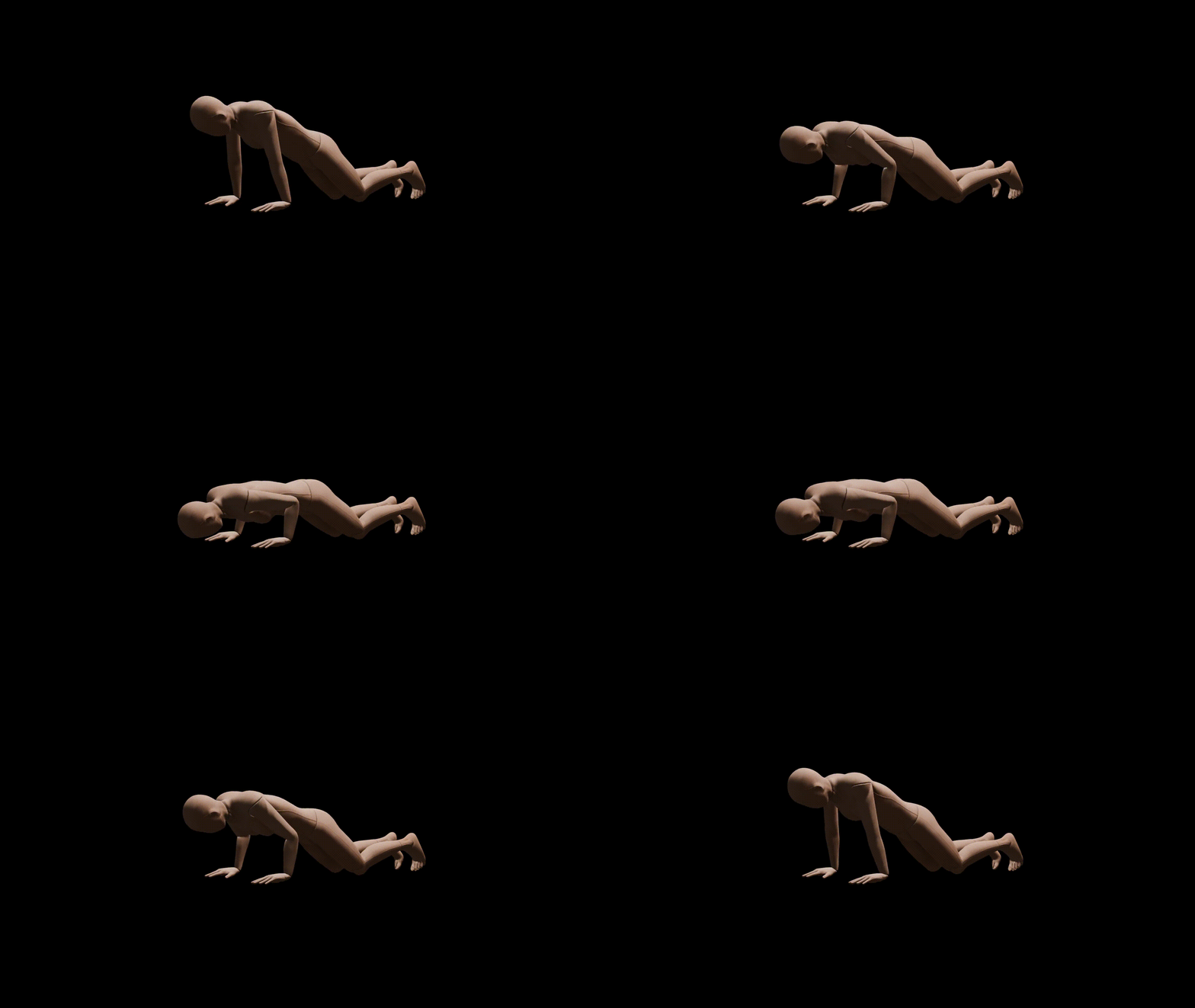
If you are a beginner and have not ever done push ups or they feel hard, you can try easier versions of push ups. Start from the proper push ups position, but instead of straightening your legs and having your toes on the floor, stay on your knees and lift your toes while doing push ups – a kneeling push ups.
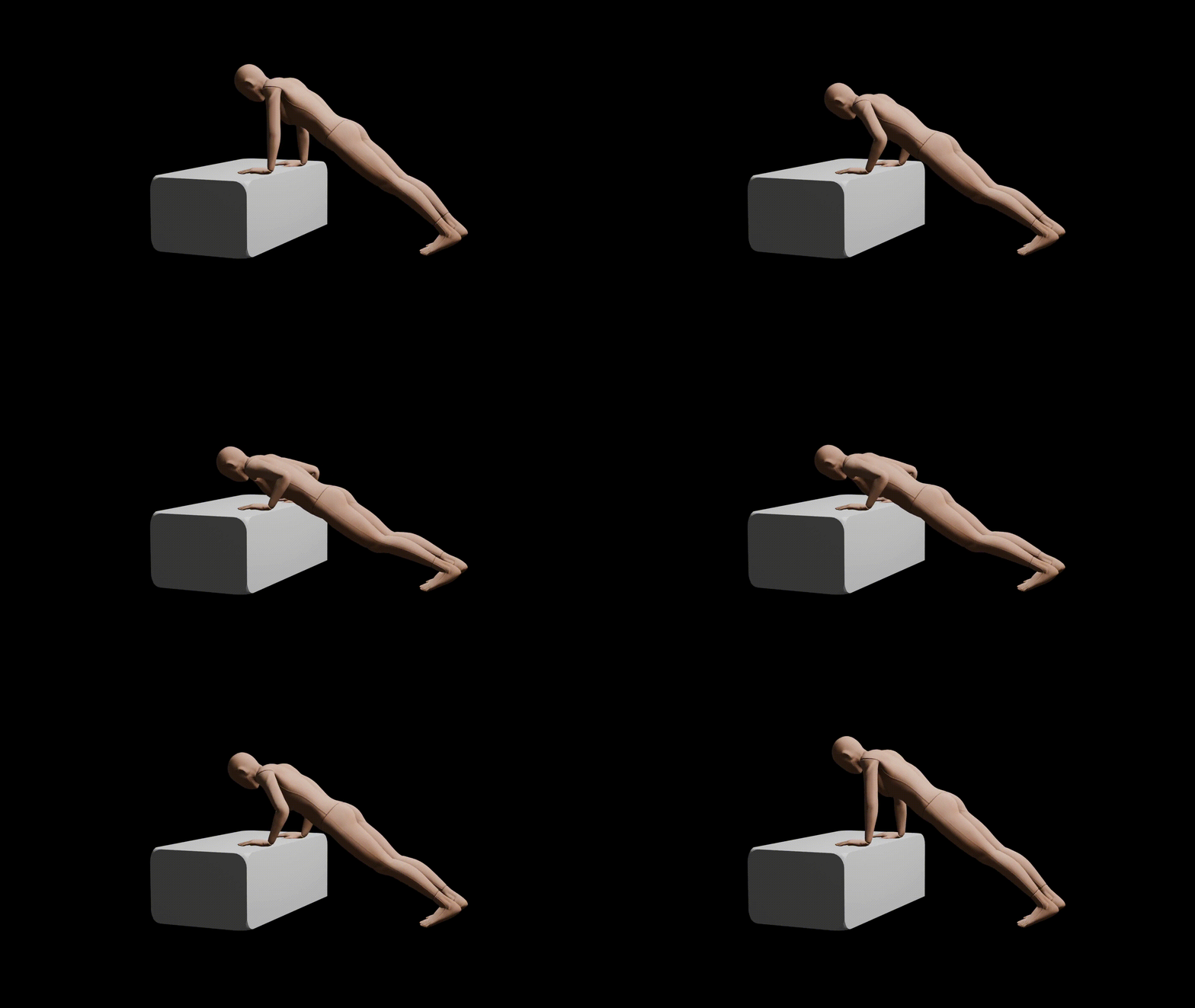
If kneeling push ups feel too easy, but regular push ups are too hard, there is a golden middle path. You can try doing regular push ups in an incline position. When doing incline push ups you are reducing body weight by using a bench or table for your hands, making push ups easier.
Full range of motion is always the best way to train and see results faster. So don’t try to do half reps because they are easier. Rather just do a modified and easier version. If you can do at least 3×12 reps of kneeling push ups or incline push ups, you can definitely move to regular push ups and start working on your progress again from there.
Now, when you feel that regular push ups are too easy and you can do 3×20 sets easily it is time to move to harder versions of push ups. For harder and more advanced variations you can try these different variations:
- doing push ups in a decline position to target more shoulders
- do push ups on dumbbells, push up stands or calisthenics parallettes to get your chest lower and bigger range of motion
- archer push up
- more advanced pseudo planche push ups
- the most difficult variation full planche push ups – push ups with your legs in the air!
Keep in mind that more difficult variations don’t only require more strength, but you also must learn the techniques and start carefully to prevent injury.
In my experience starting harder variations slowly and doing only small sets of 6 to 8 reps at start and still doing normal push ups at the same time. You can make normal push ups harder just by doing them slower. This will also improve your technique and overall mind to muscle connection that transfers to other exercises and skills too.
Equipment For Push Ups
The beauty of push ups is that you don’t need any equipment, you can do them basically anywhere and push ups are one of the most widely used upper body muscles targeting bodyweight exercise.
But, if you want to advance beyond regular push ups, using some equipment will definitely spice up your push ups. As stated earlier in the different push up variations section, using dumbbells, push up stands or parallettes you can get a much deeper and bigger range of motion push ups. For deep push ups you can be creative with any objects in your home or at the gym using objects like benches, tables, chairs or step up boards. But deep push ups just simply are not possible just on the ground without any equipment.
Rotating push up handles, also known as “The Perfect Push Ups Device” allows you to rotate your hands while going down and up. This will help you to achieve a greater range of motion and this will be easier on your wrists.
The rotating movement of these handles adds an element of instability. Because of the instability, it requires more coordination and muscle engagement from you to stabilise your shoulders, core, and arms.
There are also these decks that you can place the handles in multiple different positions to get different angle for your wrists but they do not rotate.
If you have wrist pain or wrist injuries, having your hands in a different angle also works if you are doing push ups with dumbbells or parallettes. Doing push ups with straight wrists, basically your thumb pointing out away from you – not in towards each other – will take a lot of pressure off of your wrists. Just rotate the equipment at an angle that is most comfortable for you and your wrists.
When starting to use any equipment for the first time, a smooth start ensures stable and injury free progression. Begin to experiment with the new equipment with kneeling push ups to first familiarize yourself with the new movement and equipment. As you progress, focus on controlled movement. Going slow with control, allows your body to adapt to the new movement. Prioritize technique over quantity!
Benefits Of Push Ups
So why even do push ups? As mentioned earlier, push ups are one of the most effective upper body exercises with your own bodyweight that targets the most upper body muscles at the same time – biceps, chest, front delts and shoulders.
Even if you are not into calisthenics or bodyweight training and you train with gym equipment and do bench press etc. exercises. On a gym chest day, doing push ups as the last exercise is a great way to push all the remaining juice out of your muscles and really tire your chest till failure for maximum gains.
Another effective bodyweight exercise would be pull ups that target biceps, lats and back but for pull ups you need a bar or something that you can hang from. Push ups are possible to do basically anywhere.
“How many push ups can you do?” is one of the universal benchmarks of a person’s fitness levels. According to a New York Post article: a 25-year-old male should be able to do around 28 push-ups in one go, while women should aim for 20 shows a good fitness level.
So, start slow and by doing controlled push ups with the right form you will prevent injury and maximize gains.