
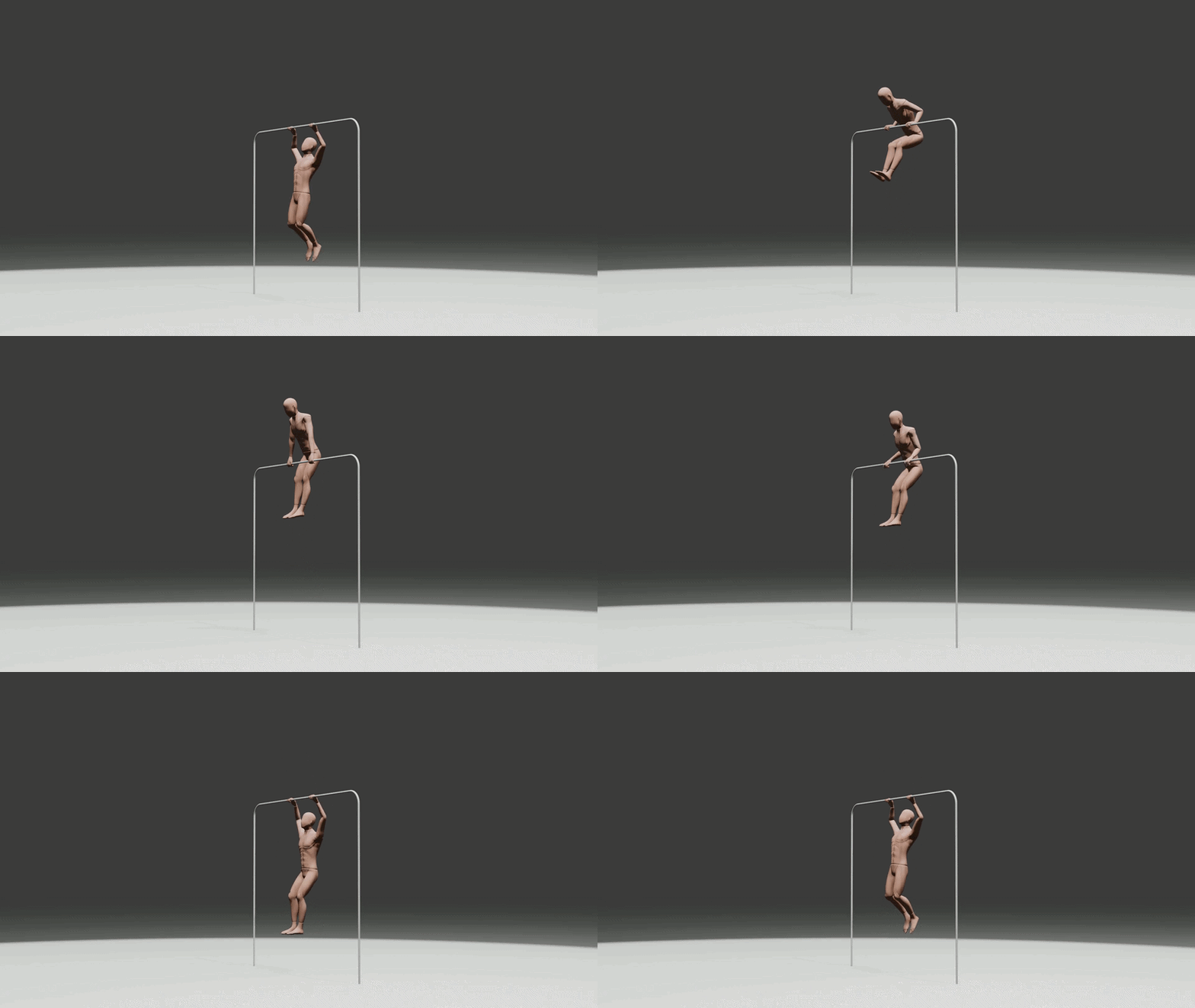
A muscle up is an advanced upper body exercise where you pull yourself above the bar and transition into a dip position.
It combines:
- an explosive pull up
- a fast transition
- a straight bar dip
The hardest part for most beginners is the transition phase. This is where people get “stuck” below the bar.
Muscle Up Guide: How To Learn Your First Muscle Up
The muscle up is one of the most popular calisthenics skills — and for good reason.
It combines:
- pulling strength
- explosiveness
- coordination
- timing
- body control
For many people, the first successful muscle up feels impossible at first.
You may already be able to do:
- pull ups
- chin ups
- dips
…but still cannot get over the bar.
The good news is that most people are not actually lacking strength.
Usually the problem is:
- poor technique
- weak explosive pulling power
- bad timing
- limited transition strength
This guide covers:
- how to do a muscle up
- best muscle up exercises
- common mistakes
- how many pull ups you need
- beginner muscle up progression
- why most people struggle
If your goal is to learn your first muscle up fast, this is what actually matters.
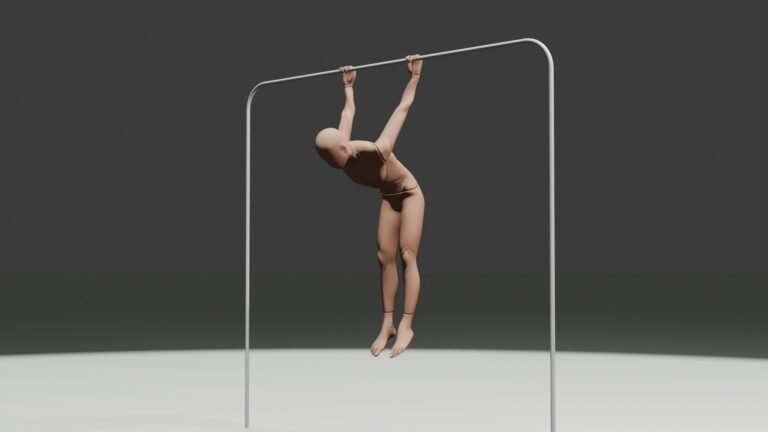
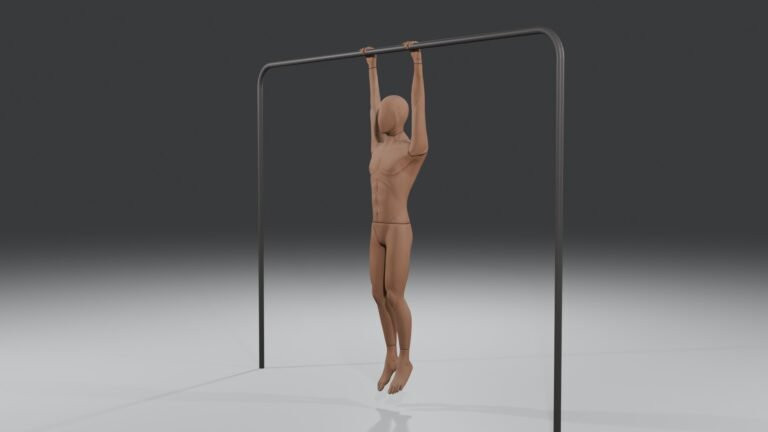
Typical progression path for pull-exercises would look something like this: Dead Hang 🠖 Inverted Rows 🠖 Chin Ups 🠖 Pull Ups 🠖 Weighted Chin Ups 🠖 Bar Pullovers 🠖 Muscle Up 🠖 Front Lever
Why Most People Cannot Do A Muscle Up
Many people think they simply need more strength.
But that is not usually true.
Most failed muscle ups happen because:
- the pull is too slow
- the bar path is wrong
- the transition timing is poor
- they pull straight upward instead of toward the hips
- they lack explosive pulling power
A strict pull up alone is not enough.
You need explosive pulling strength.
(If your pull ups are still inconsistent, improving your pull up numbers first will make muscle up training dramatically easier.)
How Many Pull Ups For A Muscle Up?
This depends on your pulling style and explosiveness.
As a general rule:
- 10–15 strict pull ups is a good foundation
- explosive chest-to-bar pull ups help much more
- weighted pull ups can speed things up
Some people achieve a muscle up with fewer pull ups because they have strong technique and athletic explosiveness.
Others can do 20+ pull ups but still fail the transition.
Quality matters more than numbers.
Muscle Up Technique Explained
1. The Setup
Use a false grip if you are training strict muscle ups, although many beginners learn without one.
Grip the bar slightly wider than shoulder width.
Before pulling:
- engage your lats
- tighten your core
- keep legs slightly in front
(Core strength matters more than people realize here. Exercises like the hollow body hold can improve body tension during explosive pulling movements.)
2. The Explosive Pull
This is where most muscle ups are won or lost.
Do NOT pull straight upward.
Instead:
- pull aggressively toward your lower chest or hips
- keep the bar close to your body
- think “around the bar,” not just over it
Your goal is to create enough height to transition smoothly.
The higher you pull, the easier the transition becomes.
One of the best exercises here is:
- explosive pull ups
- chest-to-bar pull ups
- band-assisted muscle ups
3. The Transition
The transition is the most technical part.
Once your chest reaches bar height:
- lean your torso forward
- rotate wrists over the bar
- quickly move elbows above the bar
Most beginners hesitate here.
That hesitation kills momentum.
The transition should feel aggressive and fast.
4. The Dip Lockout
After getting above the bar:
- press into a straight bar dip
- lock out your elbows
- stabilize at the top
If dips feel weak, this section becomes much harder.
(Improving dip strength separately can make the top portion of the muscle up feel significantly easier.)
Best Exercises To Learn A Muscle Up
Explosive Pull Ups
This is arguably the most important exercise.
Focus on:
- speed
- height
- aggressive pulling
Try pulling:
- chest to bar
- stomach to bar
- hips toward the bar
The higher you pull, the better.
Straight Bar Dips
Many people ignore this part.
But weak straight bar dips make finishing the muscle up difficult.
Train:
- deep range of motion
- controlled lockouts
- shoulder stability
Band-Assisted Muscle Ups
Resistance bands help beginners:
- learn timing
- practice transitions
- reduce fear
Just avoid relying on bands forever.
The goal is to gradually reduce assistance.
Negative Muscle Ups
Start at the top position and slowly lower yourself through the transition.
This builds:
- transition awareness
- control
- coordination
Negatives are extremely underrated for beginners.
Chest-To-Bar Pull Ups
Regular pull ups are useful.
But chest-to-bar pull ups are much more specific to muscle ups.
They teach:
- explosive pulling
- proper bar path
- high pull mechanics
Common Muscle Up Mistakes
Pulling too late.
If you wait too long to transition, you lose momentum.
You need to attack the transition aggressively.
Pulling Straight Up
A muscle up is not just a vertical pull up.
The bar path matters.
Think:
- backward and upward
- hips toward the bar
- chest over the bar
Weak Core Tension
Loose body positioning wastes power.
This is why body control exercises matter.
(Exercises like hollow body holds and L-sits improve total body tension, which carries over surprisingly well into calisthenics skills.)
Trying Muscle Ups Too Early
Many beginners spam muscle up attempts without building fundamentals.
This usually leads to:
- frustration
- elbow pain
- bad technique
A better approach:
- improve pull ups
- strengthen dips
- train explosive pulling
- practice transitions
Beginner Muscle Up Progression
A simple progression looks like this:
- Strict pull ups
- Chest-to-bar pull ups
- Explosive pull ups
- Straight bar dips
- Band-assisted muscle ups
- Negative muscle ups
- Full muscle up attempts
Consistency matters more than perfection.
Even 2–3 focused sessions per week can produce progress surprisingly fast.
How Long Does It Take To Learn A Muscle Up?
This depends on:
- bodyweight
- pulling strength
- training consistency
- athletic background
- technique quality
For someone with:
- solid pull ups
- decent dips
- regular practice
…it may take:
- a few weeks
- or a couple of months
For complete beginners, building foundational strength usually takes longer.
That is normal.
Are Kipping Muscle Ups Bad?
Not necessarily.
Kipping can help beginners:
- understand timing
- build confidence
- develop coordination
But strict strength should still be developed.
Relying only on momentum often leads to sloppy technique.
Muscle Up Mobility And Injury Prevention
Tight shoulders and poor mobility can make muscle ups feel awkward.
Focus on:
- shoulder mobility
- thoracic mobility
- wrist preparation
- scapular control
This becomes even more important if:
- shoulders feel pinchy
- elbows hurt
- transitions feel unstable
(Improving shoulder mobility and posture can also help overhead pulling mechanics feel smoother and stronger.)
This guide will help you to train properly and prevent injuries.
Why Muscle Ups Feel Easier After Improving Basic Calisthenics
A lot of people chase skills too early.
But improving:
usually makes advanced skills come much faster naturally.
This is why beginner calisthenics programs often work better long-term than random skill practice.
(Building a stronger overall foundation with basic bodyweight exercises often improves muscle ups faster than endlessly attempting the movement itself.)
The muscle up is not just a strength exercise.
It is a skill.
And like most skills:
- technique matters
- consistency matters
- progression matters
Most people are closer than they think.
Usually the biggest improvements come from:
- explosive pull training
- better transition timing
- stronger fundamentals
Focus on mastering the basics first, and the muscle up becomes much more achievable.
If you stay consistent, your first muscle up can happen surprisingly fast.