
If you are new to bodyweight training, you do not need a complicated split or dozens of exercises.
This 6-week beginner program is built around a few basic movement patterns:
- pushing
- pulling
- squatting
- single-leg training
- core stability
You will train 3 days per week, use exercise variations that match your current strength, and gradually progress through better technique, more repetitions, and harder variations.
You do not need to train to failure every workout. The goal during these first six weeks is to build consistency and learn the movements well.
If you are completely new to calisthenics, you may also want to read the How to Start Bodyweight Training guide first.
6-Week Beginner Program at a Glance
Train on three non-consecutive days per week.
A simple schedule is:
| Day | Training |
|---|---|
| Monday | Workout A |
| Tuesday | Rest |
| Wednesday | Workout B |
| Thursday | Rest |
| Friday | Workout A |
| Weekend | Rest or light activity |
The following week, reverse it:
Workout B → Workout A → Workout B
This gives both workouts equal exposure over time.
Rest around 1–2 minutes between most sets. If a harder exercise leaves you out of breath or your next set suffers, resting a little longer is fine.
Workout A
| Exercise | Sets | Reps / Time |
|---|---|---|
| Push-Up variation | 3 | 6–12 reps |
| Bodyweight Squat | 3 | 10–15 reps |
| Inverted Row or Pull-Up progression | 3 | 6–10 reps |
| Hollow Body Hold | 3 | 10–30 sec |
Workout B
| Exercise | Sets | Reps / Time |
|---|---|---|
| Pike Push-Up or easier push variation | 3 | 6–10 reps |
| Lunges or Split Squats | 3 | 8–12 each leg |
| Inverted Row or Chin-Up progression | 3 | 6–10 reps |
| Plank | 3 | 20–40 sec |
You do not need to hit the top of every rep range immediately.
Choose an exercise variation you can perform with good control and stop the set when your form noticeably starts to break down.
Choosing the Right Exercise Variation
The exercises in this program are categories rather than rigid requirements.
If you cannot do the standard version yet, use an easier progression.
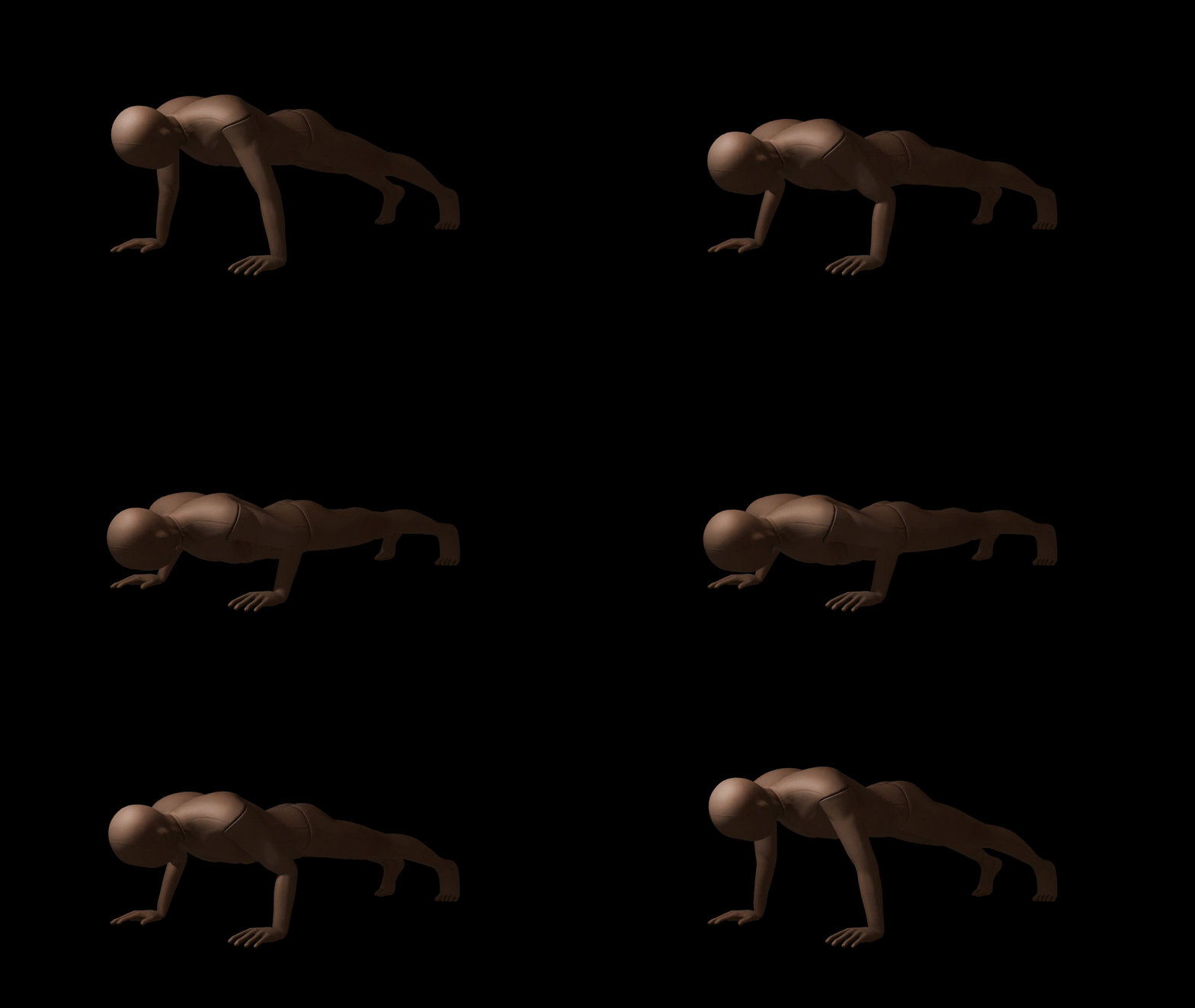
Push-Ups
Start with whichever variation lets you perform controlled repetitions.
A typical progression is:
Incline Push-Up → Knee Push-Up → Standard Push-Up → Harder Push-Up Variations
If standard push-ups are already easy, you can progress with slower repetitions, pauses, decline push-ups, or more advanced variations.
Read the full Push-Up Guide for technique and progressions.
Pulling Exercises
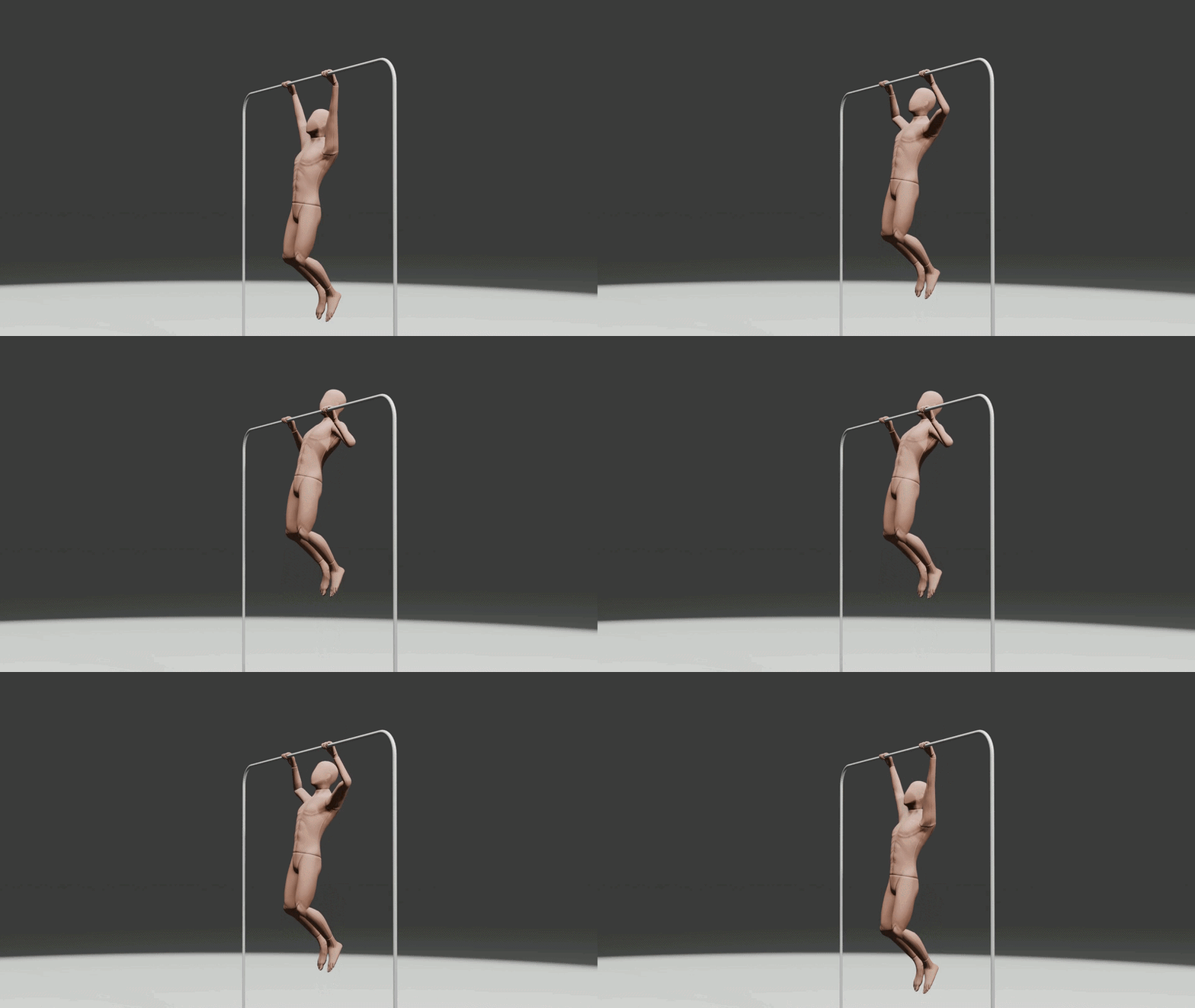
Pulling is often the most difficult movement pattern for beginners because it usually requires a bar, rings, or another safe setup.
If you cannot do pull-ups yet, that is completely normal.
Start with:
Inverted Rows → Assisted Pull-Ups or Chin-Ups → Full Pull-Ups
Choose a version that allows you to perform clean repetitions without swinging or kicking.
Useful guides:
Bodyweight Squats
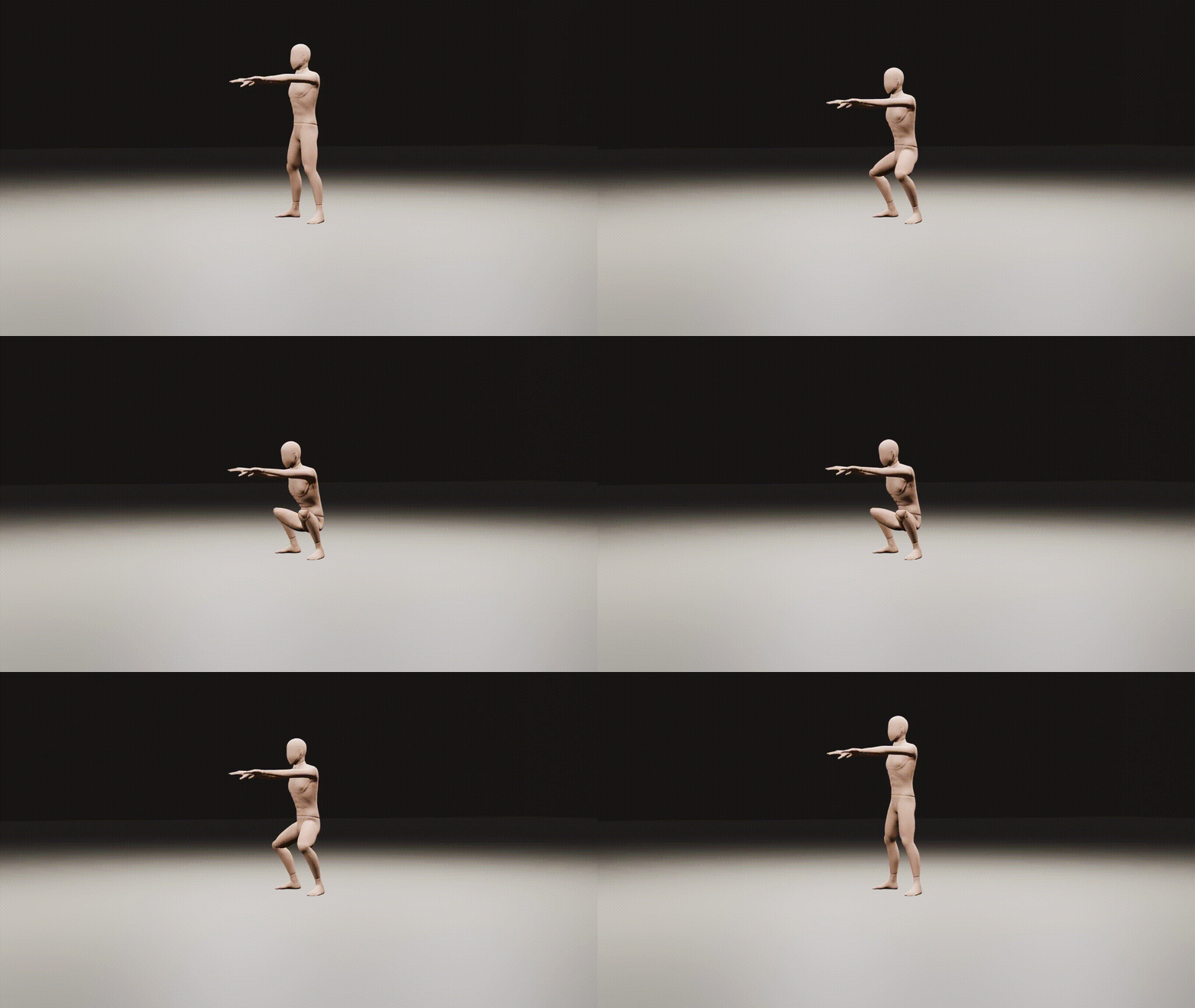
Bodyweight squats train your quadriceps, glutes, adductors, and other muscles involved in lower-body movement.
Start with a stance that feels comfortable and squat as deeply as you can while keeping your feet stable and maintaining control.
If regular squats are difficult, use a chair, box, or stable support.
If they become too easy, progress with slower repetitions, pauses, split squats, or harder single-leg variations.
Read the full Bodyweight Squat Guide.
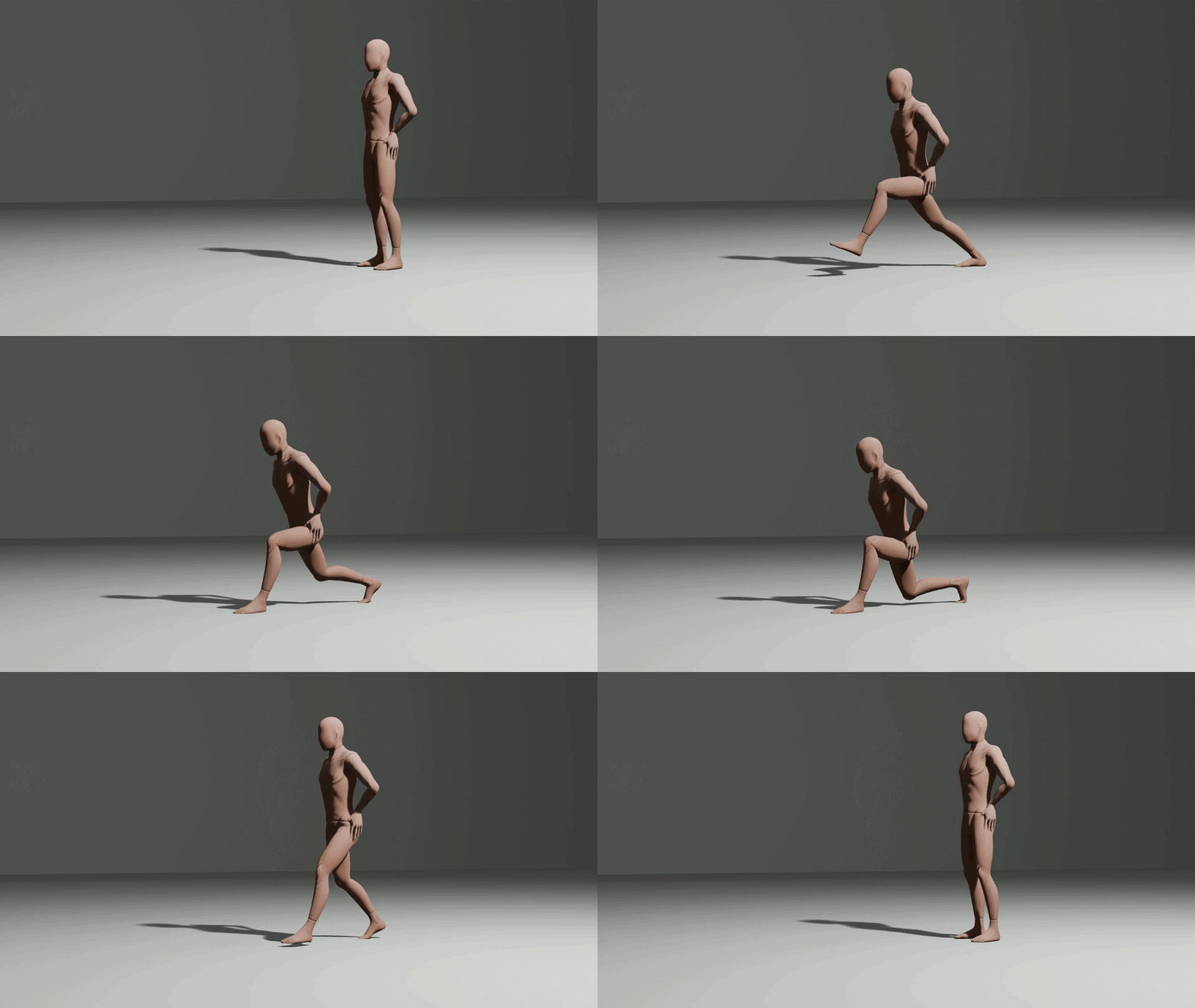
Lunges and Split Squats
Single-leg exercises make your lower body work differently from regular squats and help you train each side independently.
Start with controlled reverse lunges or stationary split squats.
Keep the front foot planted and lower only as far as you can comfortably control.
Read the full Lunge Guide.
Pike Push-Ups
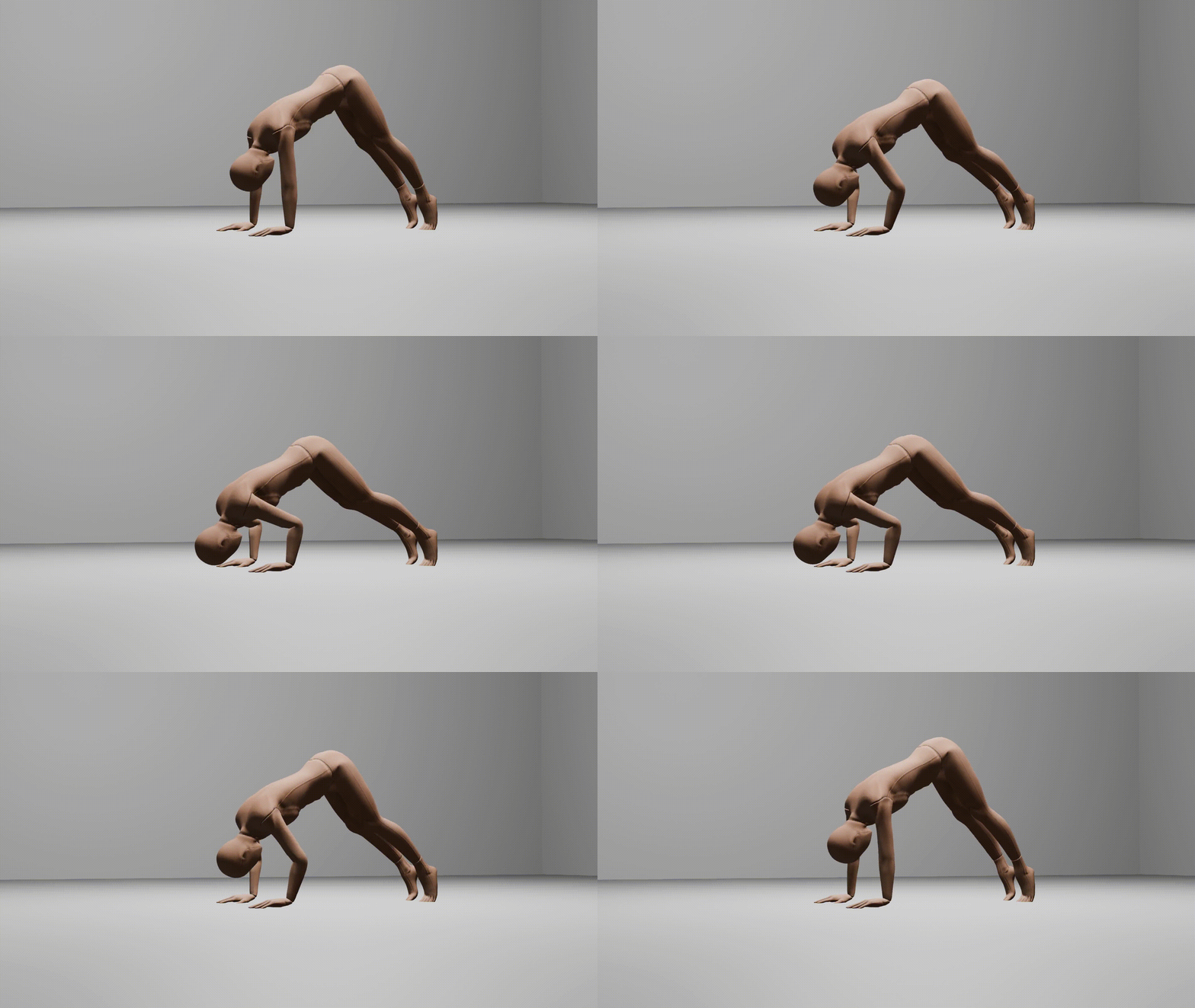
Pike push-ups shift more work toward the shoulders and introduce you to vertical pressing.
If they are too difficult, keep your hips lower and increase the distance between your hands and feet.
If they are comfortable, gradually move your feet closer or elevate them later.
Read the Pike Push-Up Guide.
Hollow Body Hold
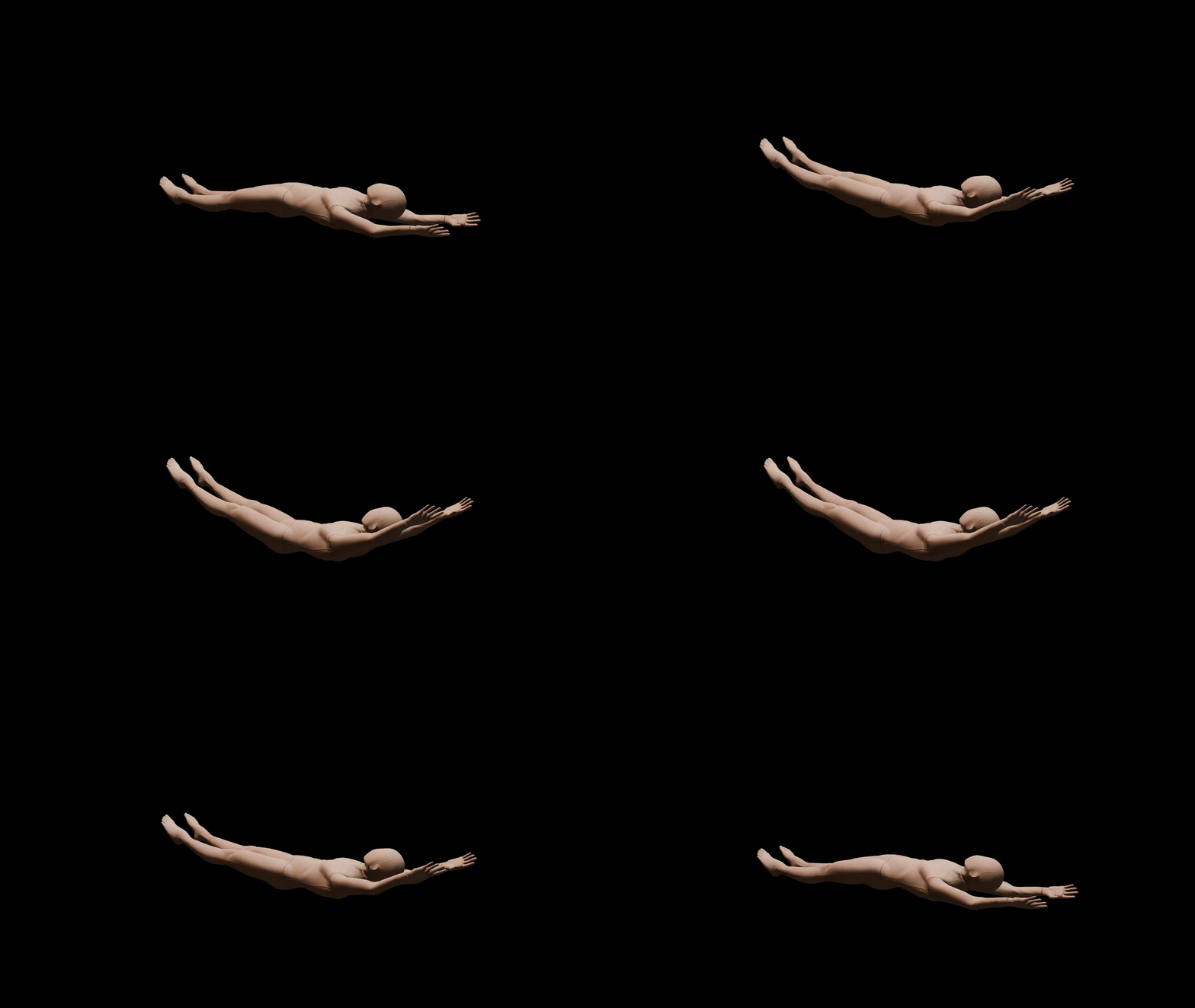
The hollow body hold teaches you to create tension through your trunk while keeping your lower back controlled against the floor.
Start with bent knees if the full version is too difficult.
A good rule is simple:
End the set when your lower back starts lifting away from the floor.
Read the Hollow Body Hold Guide.
Plank
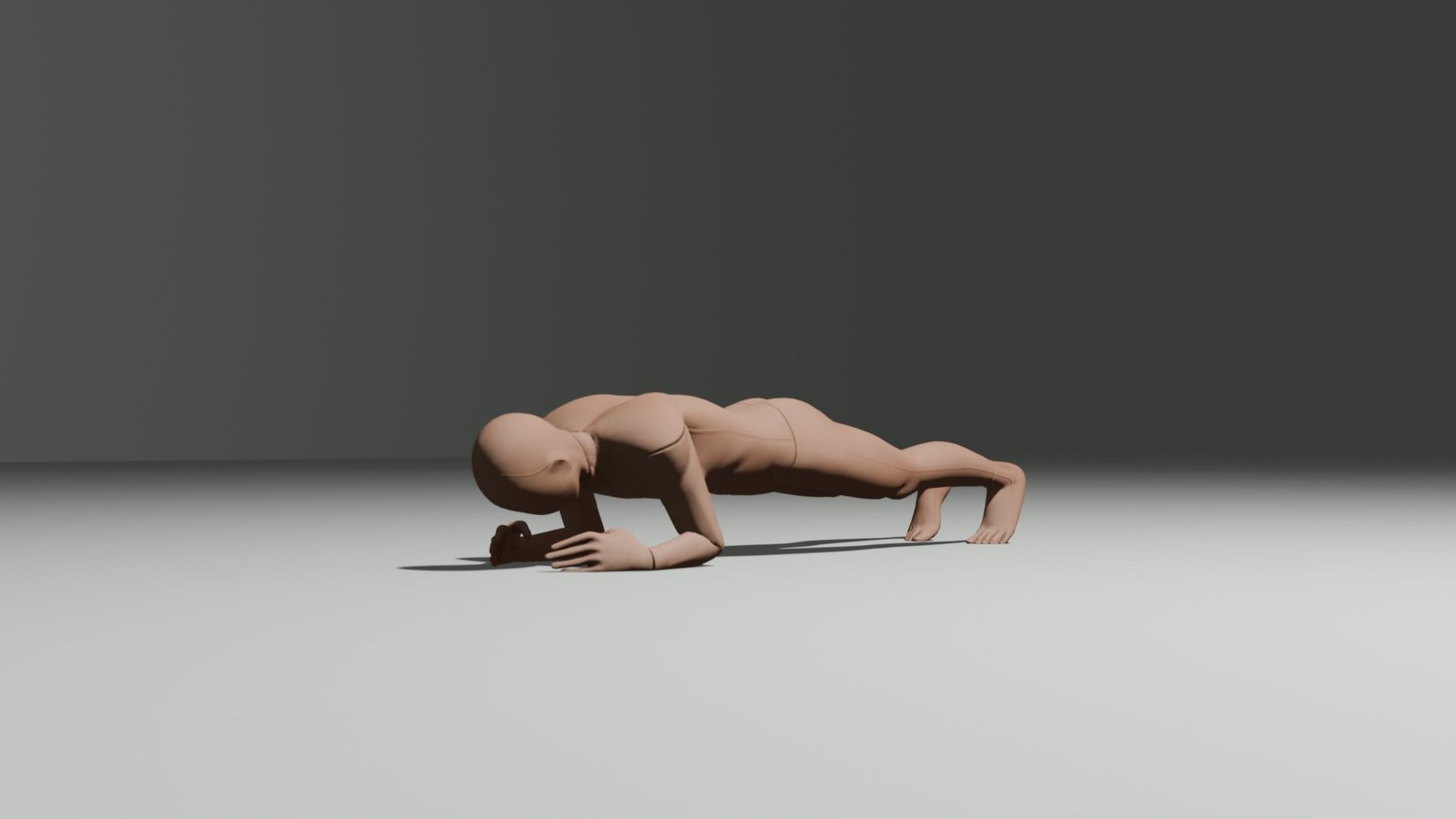
The plank is a simple way to practice full-body bracing.
Keep your elbows underneath your shoulders, squeeze your glutes lightly, and maintain a straight line through your torso.
Do not keep holding once your hips start sagging or you can no longer maintain the position.
Read the Plank Guide.
How the 6-Week Progression Works
You do not need dramatic changes every week.
The program progresses in three simple phases.
Weeks 1-2: Learn the Movements
Your main goal is technique and consistency.
Choose exercise variations that allow you to stay within the listed rep ranges without grinding through ugly repetitions.
Try to finish most sets feeling like you could still perform around 2-3 good reps.
For example:
- Push-Ups: 3 × 6-10
- Squats: 3 × 10-15
- Rows: 3 × 6-10
- Hollow Body Hold: 3 × 10-20 seconds
Do not worry if the numbers are modest.
Clean repetitions matter more than chasing a target.
Weeks 3-4: Add Reps and Control
Keep the same basic workouts, but start progressing when an exercise feels comfortable.
You can progress by:
- adding 1-2 repetitions
- increasing a hold by 5–10 seconds
- slowing the lowering phase
- using a slightly larger range of motion
- moving to the next exercise variation
For example, if you began with 3 sets of 7 push-ups and can now perform 3 sets of 10 comfortably, you can continue toward 12 reps or start experimenting with a slightly harder variation.
You do not need to make every exercise harder at the same time.
Weeks 5-6: Make the Exercises Slightly Harder
By now, you should understand your current level better.
Rather than taking every set to failure, choose one small progression for exercises that have become easy.
Examples:
Push-Ups:
Incline → standard
Standard → slower standard or decline
Pulling:
Easier inverted row angle → harder angle
Assisted pull-up → less assistance
Squats:
Standard squat → tempo squat
Squat → split squat
Core:
Tucked hollow hold → one-leg extension → full hold
20-second plank → 30–40 seconds or harder variation
The objective is to finish Week 6 stronger and more technically confident than you were in Week 1 — not exhausted from constantly testing your limits.
How Hard Should You Train?
You do not need to reach muscular failure on every set.
For most of the program, stop when you feel you could still perform around 1-3 clean repetitions.
A repetition should count only while you can maintain the technique you are trying to practice.
If your range of motion shortens dramatically, you start swinging, or your body position changes noticeably, the set is probably finished.
Beginners usually benefit more from repeating good-quality movement than constantly grinding through maximum-effort sets.
What If You Cannot Reach the Minimum Reps?
Use an easier progression.
For example:
| Exercise too difficult | Use instead |
|---|---|
| Push-Up | Incline Push-Up |
| Pull-Up | Inverted Row or Assisted Pull-Up |
| Pike Push-Up | Easier Pike Push-Up or regular Push-Up |
| Lunge | Assisted Split Squat |
| Hollow Body Hold | Tucked Hollow Hold |
| Plank | Knee or Incline Plank |
There is nothing wrong with starting at an easier level.
The progression that matches your current ability is the right progression.
When Should You Move to a Harder Variation?
Do not move up just because you completed one good set.
A good general rule is to progress when you can repeatedly reach the top of the recommended rep range with clean technique.
For example:
If your target is 6-12 push-ups, and you can perform roughly 3 sets of 12 with good control, it may be time to make the exercise slightly harder.
You can also progress by improving:
- range of motion
- tempo
- stability
- control
Progress is not only about adding repetitions.
What Equipment Do You Need?
You can perform much of this program without equipment.
Push-ups, squats, lunges, pike push-ups, planks, and hollow body holds can all be trained on the floor.
For pulling exercises, however, you will need some kind of safe setup such as:
- a pull-up bar
- gymnastics rings
- sturdy parallel or horizontal bars
- another appropriately designed exercise station
If you currently have no way to perform pulling exercises, prioritize finding a safe solution rather than trying to improvise with unstable furniture.
Warm-Up
You do not need a complicated 20-minute warm-up.
Spend around 5-10 minutes getting ready to move.
You can use:
- light walking or easy movement
- shoulder circles
- wrist circles
- controlled bodyweight squats
- a few easy push-ups
- easy repetitions of the movements you are about to train
Then perform your first working set at an easier intensity before pushing harder.
The goal is to feel prepared, not tired.
How Long Should a Workout Take?
For most beginners, these workouts should take roughly 30–50 minutes, depending on your rest times and exercise setup.
Do not rush simply to finish faster.
A little extra rest is often better than beginning the next set while your form is still suffering from the previous one.
What Should You Do on Rest Days?
Rest days do not mean you must avoid movement.
Walking, easy mobility work, and normal daily activity are fine.
You simply do not need another hard full-body workout between your scheduled sessions.
If you are unusually sore or fatigued, taking additional recovery time is also fine.
What If You Miss a Workout?
Do not try to “make up” for it by doubling your next workout.
Just continue with the next scheduled session.
For example, if you miss Wednesday:
Monday — A
Wednesday — missed
Friday — B
Then continue normally the following week.
Consistency over months matters more than one missed day.
What Happens After the 6 Weeks?
At the end of six weeks, look at what improved.
Maybe you can:
- perform more push-ups
- use less assistance on pull-ups
- squat with better control
- hold a hollow body position longer
- perform a harder exercise variation
From there, you have several options.
You can repeat the program with harder variations, increase your training volume gradually, or start focusing on specific calisthenics goals such as:
Build the basics first. Advanced skills become much easier to train once you have a solid strength foundation.
Frequently Asked Questions
Is this program suitable for complete beginners?
Yes.
Every major exercise can be replaced with an easier variation.
You do not need to already be able to perform pull-ups, dips, or advanced calisthenics movements.
Can I do this program at home?
Yes.
Most exercises require no equipment.
The main challenge is pulling movements, which require a safe bar, rings, or another suitable setup.
Should beginners train every day?
You do not need to.
Three full-body sessions per week gives you regular practice while leaving recovery days between workouts.
Some people may prefer two sessions per week at first, especially if they are very new to exercise.
Should I train to failure?
Usually not on every set.
Stopping with a small number of clean repetitions left is a good way to maintain technique and recover for your next workout.
Can I replace an exercise?
Yes.
Try to replace it with another exercise from the same movement category.
For example:
- Push-Ups → Incline Push-Ups
- Pull-Ups → Inverted Rows
- Lunges → Split Squats
- Hollow Hold → Plank
How quickly will I see results?
That varies significantly between people.
Your starting strength, training history, sleep, nutrition, recovery, and consistency all influence your rate of progress.
Instead of expecting a specific physical transformation by Week 6, track measurable improvements such as repetitions, exercise difficulty, range of motion, and technique.
Final Advice
Do not treat this program as a six-week race.
The purpose is to learn how to train consistently and build a base you can continue developing afterward.
Choose exercises that match your current ability, keep your repetitions controlled, and progress only when the current variation becomes manageable.
Six weeks of good training will not make you an advanced calisthenics athlete.
But it can give you something more important:
a clear starting point and a foundation you can keep building on.