
Squats are the most broad and basic leg day workout you can do, and on a bodyweight/calisthenic workout routine there are not many leg exercises to do. There is no leg press for example. There is basically just squats and different variations of squats.
The most important thing when doing squats is to go deep and focus on the form. Squats are one of the most common exercises that people get injuries from and the injuries are bad because many times they happen to your back. But most injuries happen when doing heavyweight squats. Thankfully in bodyweight squats the load is obviously not that high so it is safer and injuries are a lot less common.
How To Do Bodyweight Squats
- Stand in a good posture, back straight and legs at about shoulder width. Keep your arms a bit forward to help balance your body. You can also take a stick and hold it on your shoulders behind your neck like squatting with a bar.
- Start lowering your body by bending your knees, focusing on holding your upper body straight and do not let your knees go outward or inward. Knees should face the same direction during the whole movement.
- Once you are down with butt almost at the ground, push yourself up with your legs while squeezing your glutes.
That’s it. That is a squat. Not very complicated. See here an example video of a squat
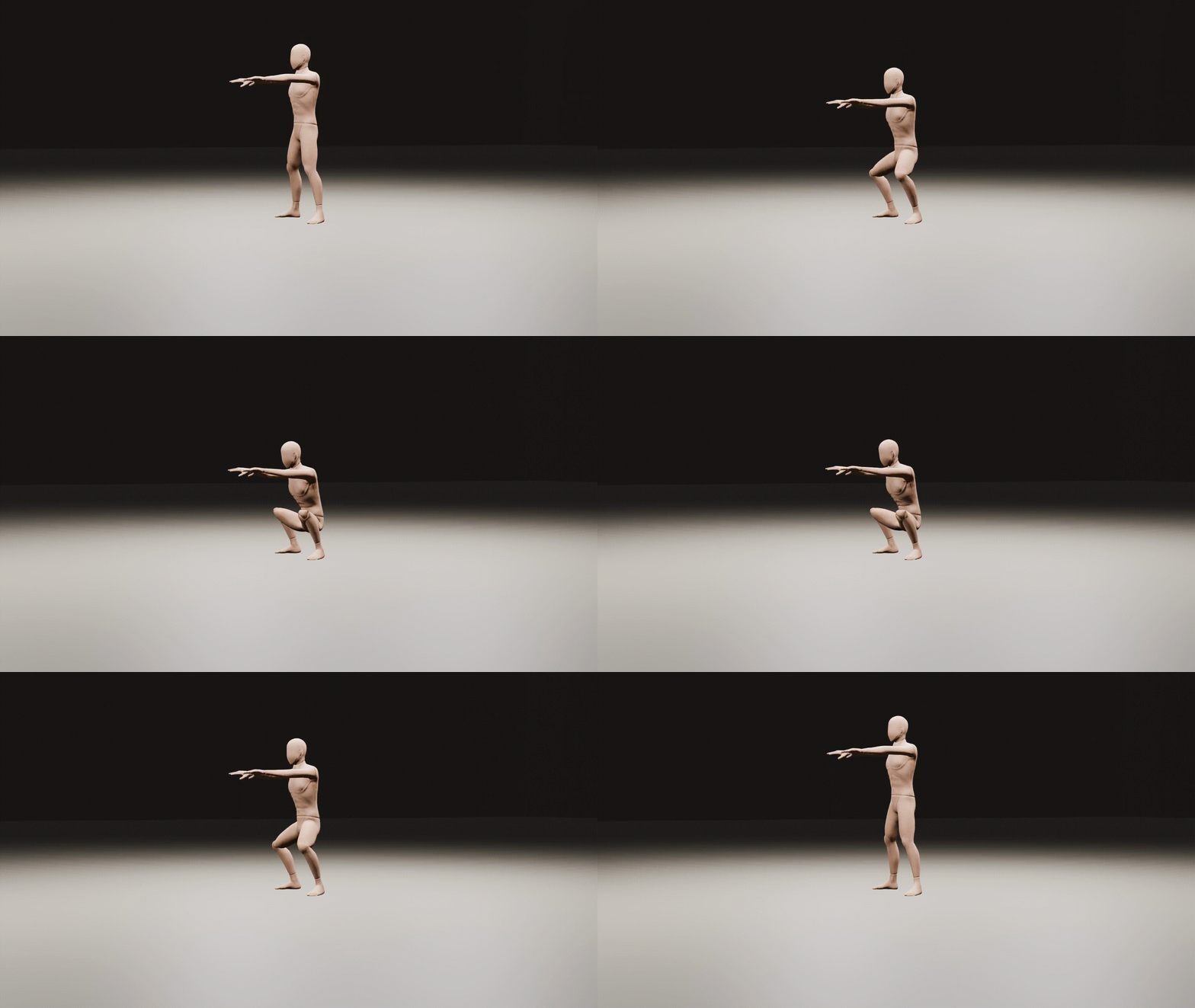
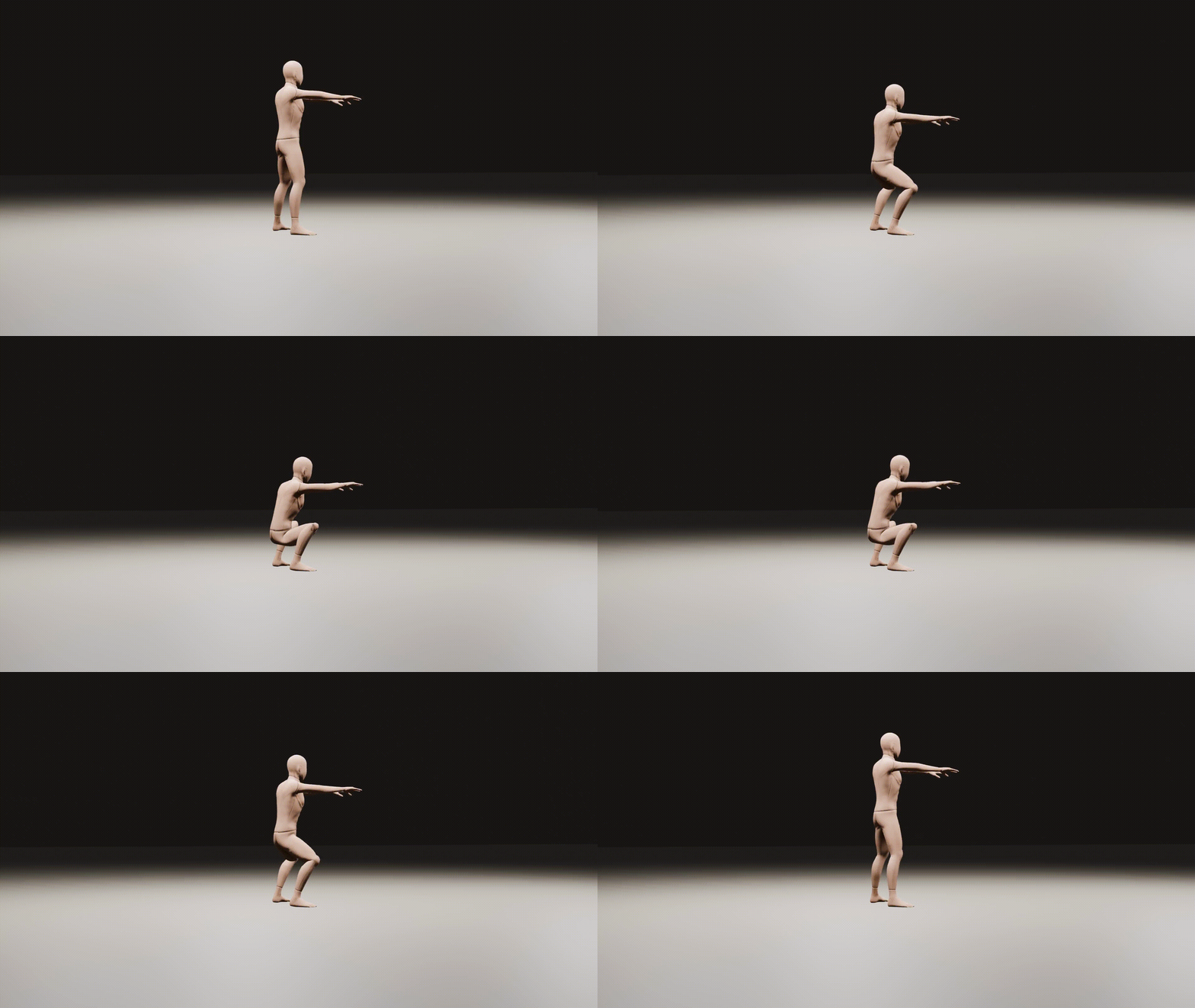
With bodyweight squats being light and easy on knees, you should squat deep to get that full range of motion, big stretch and full benefit of the movement. You know that position that is supposed to be a resting position for humans but we are not anymore naturally able to do it? Yes, go that deep to that position. It is also good idea to hang around in the deep squat position regularly to improve your posture.
Benefits Of Doing Bodyweight Squats Regularly
By practicing bodyweight squats, you strengthen your quads, hamstrings, glutes, and calves. This makes everyday tasks easier and builds a foundation for more advanced training.
Because squats are a compound exercise, they recruit multiple large muscle groups simultaneously. Moving these large muscles requires a significant amount of energy, which ramps up your heart rate and increases your metabolic rate. Doing squats regularly helps you burn more calories even while at rest and improve your overall fitness levels.
Many people suffer from “stiff” hips and ankles due to sitting at desks. Squatting through a full range of motion helps to:
- Open up the hips: Reducing tightness in the hip flexors.
- Increase ankle flexibility: Which is crucial for balance and preventing falls.
- Stabilize the core: Your abs and lower back must fire to keep your torso upright, improving your overall stability.
- Support joint health: performing squats with proper form actually strengthens the ligaments and connective tissues surrounding the knee and hip joints
Stiff hips can affect everything from squats and lunges to walking and posture. Learning how to release and strengthen tight hip flexors can improve flexibility and movement quality over time. See our full guide on hip flexor mobility exercises to get started.
The biggest benefit of the bodyweight squat is its accessibility. You don’t need a gym membership, a squat rack, or even a pair of shoes. You can do them at home, in a hotel room, at the office, or while waiting for water to boil. This removes the “friction” of starting a workout, making it easier to stay consistent with your fitness goals.
Prevent Injuries
To prevent injuries squatting focus, focus and focus! Squat with controlled movement and really focus on it. Keep your back straight and don’t let your knees go inward or outward. Your knees should be pointing in the same direction as your toes and stay that way during the whole movement.
Stretch well before doing squats. Stretch your tights, glutes, hamstrings and calves. Maybe do some walking or stairs beforehand.
High Repetition Bodyweight Squats vs Weighted Squats
With weighted squats you obviously will increase your squat strength more and grow much bigger legs faster but you will be more prone to injuries if not careful.
With bodyweight squats once you get strong the only ways to advance and progress is either doing harder variations of squats or just doing more repetitions. High rep bodyweight squats won’t grow your legs like weighted squats do but they will give you an incredible pump, increase your stamina and increase your overall mobility and leg strength durability. You will also be very sweaty and out of breath doing high rep bodyweight squats.
Which ones should you do? I wouldn’t say the other is better than the other because it all depends on your goals. For calisthenics and bodyweight workouts you obviously have to work with what you got – your body and use creative ways to “add weight” to your squats.
If your goal is to grow big strong legs and increase your max weight squat when the obvious answer is to train for that with weighted squats.
But of course you can do both. Start with bodyweight squats to get familiar with the movement and build a solid foundation on your legs. Once you feel comfortable, take that bar behind your shoulders and start squatting with extra weight. Be careful to prevent injuries and add more weight slowly.
Improve Your Results With Proper Training
If you’re doing bodyweight squats as part of your training, make sure you’re also focusing on proper form, progression, and consistency.
Most beginners struggle not because the exercise is bad, but because they’re missing the basics. If you are just starting out and looking to learn the basics of bodyweight training without equipment, this Beginner No Equipment Bodyweight Training Guide will get your started easily and you will make your workouts so much better and see result in no time!
Once you have the basics down, you can try this very simple Beginner Bodyweight Workout Plan to stay on track until you want to move onto some more advanced exercises.
If you are struggling with bad form, injuries or lack of motivation, you can also check these: