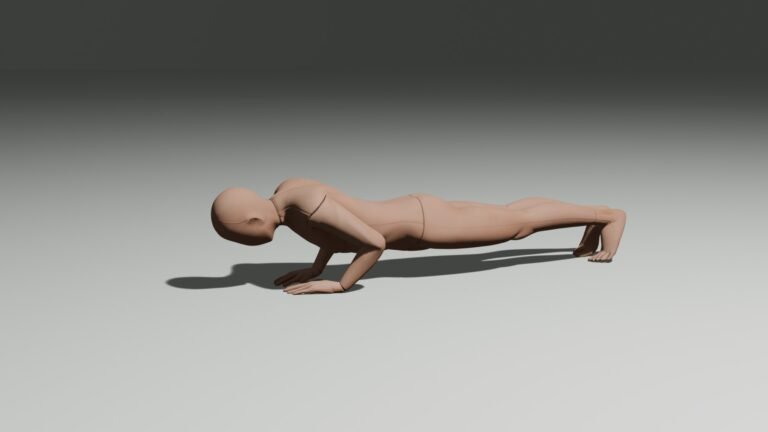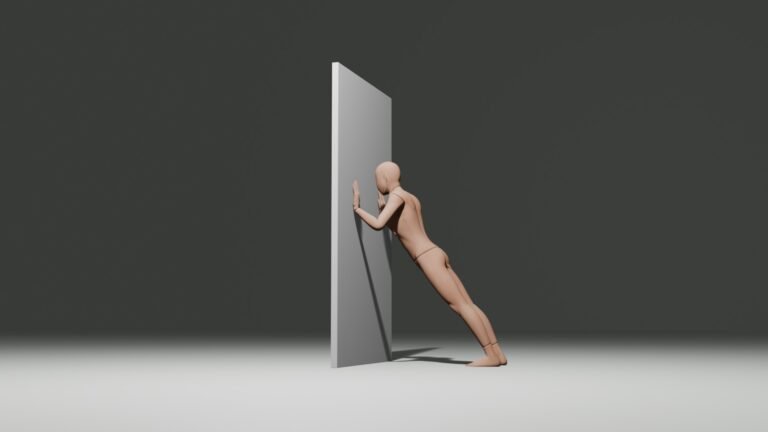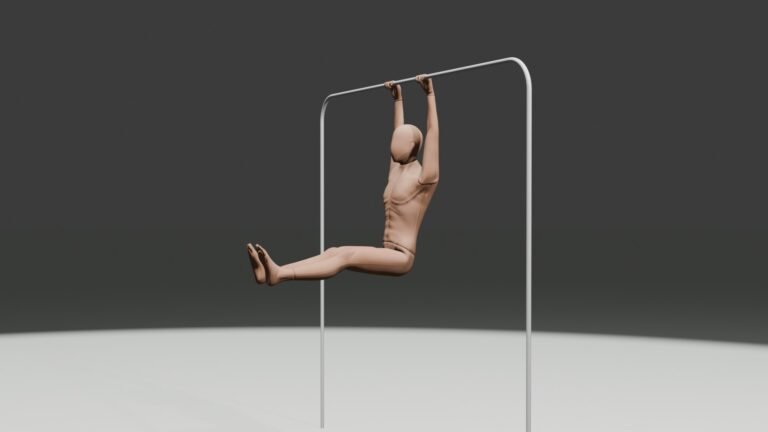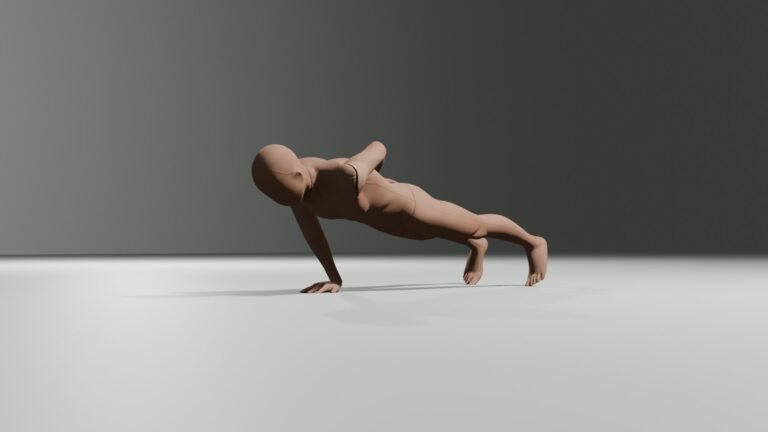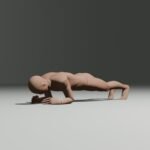

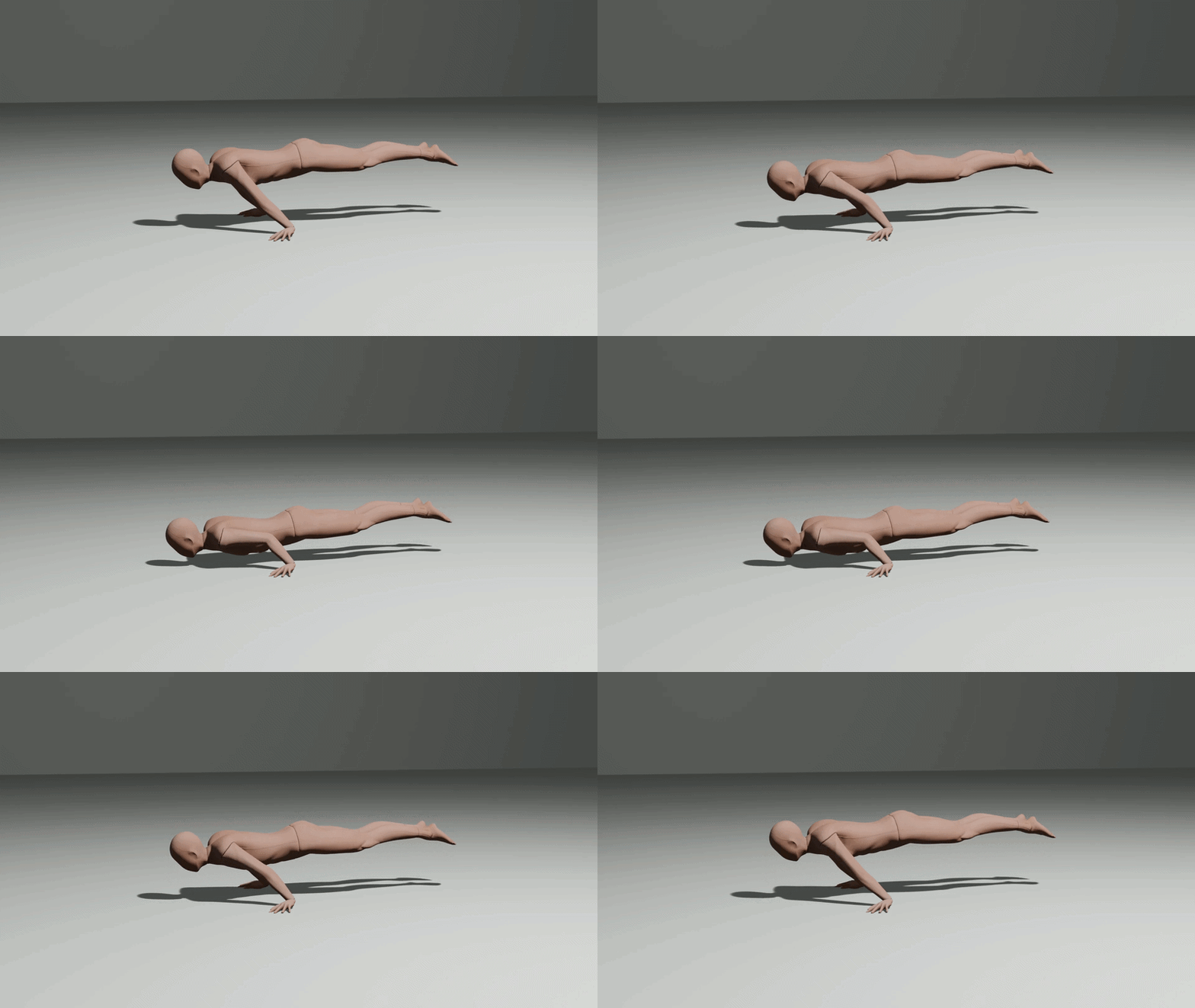
The full planche push-up is widely regarded as the pinnacle of calisthenics horizontal pressing strength. By elevating your entire body parallel to the floor with your feet completely suspended in air, you eliminate all lower-body contact points. This total leverage disadvantage multiplies the effective resistance far beyond 100% of your bodyweight, requiring extraordinary shoulder strength, bicep tendon resilience, and whole-body tension.
- Primary Muscles: Front Deltoids (Shoulders), Chest (Pectoralis Major)
- Secondary Muscles: Triceps Brachii, Core, Lower Back, Glutes, Forearms
- Setup & Grip: Hold a full planche position with hands turned slightly out, shoulders leaned far forward over wrists, and feet completely suspended in the air horizontal to the ground.
- Execution & Tempo: Lower the torso maintaining horizontal body alignment without letting feet drop. Press back up to the top planche hold with elbows locked out and scapulae fully protracted.
- Common Mistakes: Bending at the knees/hips, dropping feet to the floor during the dip, or losing shoulder protraction.
Targeted Muscle Groups
Holding a horizontal plank in mid-air while pressing requires maximum force output across the upper body:
- Anterior Deltoids (Front Shoulders): The primary engine. The shoulders act as the ultimate fulcrum, holding your entire bodyweight in horizontal equilibrium.
- Biceps Brachii (Long Head): Operates under severe isometric tension to protect and stabilize the straight-arm elbow joints during the forward lean.
- Serratus Anterior & Pectoralis Major: Protracts the shoulder blades and provides heavy horizontal pressing force.
- Core, Lower Back, and Glutes: Recruited at maximum isometric capacity to keep the hips, legs, and spine locked in a straight horizontal line parallel to the ground.
Step-by-Step Technique & Form
1. The Setup
- Place your hands on the floor or a pair of parallettes, turning your hands out at a 45-to-90-degree angle to protect your wrists.
- Begin in a tucked planche position or straddle stance before extending your legs back into a full planche hold.
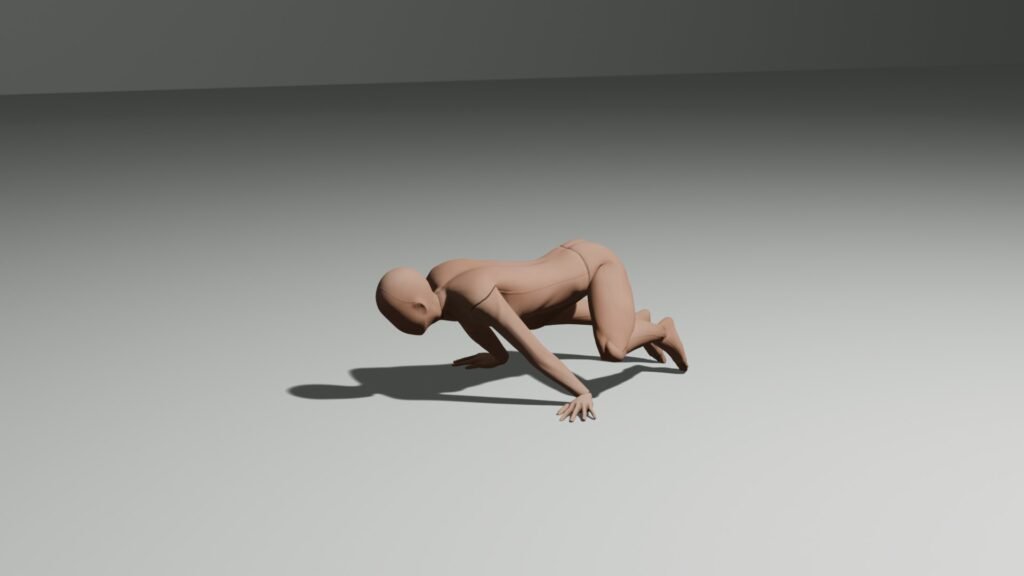
2. Setting the Lockout and Lean
- Protract your shoulder blades aggressively (push your upper back toward the ceiling) and tilt your pelvis into a hollow-body position.
- Lean your shoulders far forward until your center of gravity balances over your hands, allowing your feet to lift off the floor naturally.
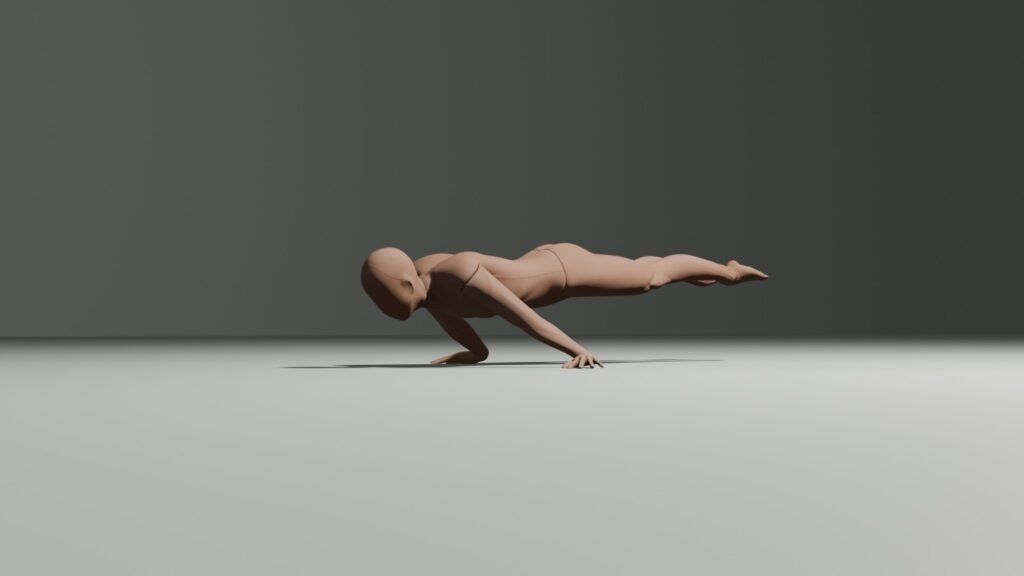
3. The Descent
- Inhale and lower your chest toward the floor by bending your elbows, keeping them tucked tightly alongside your ribcage.
- Maintain the extreme forward lean throughout the entire lowering phase—do not allow your hips or legs to drop toward the ground.
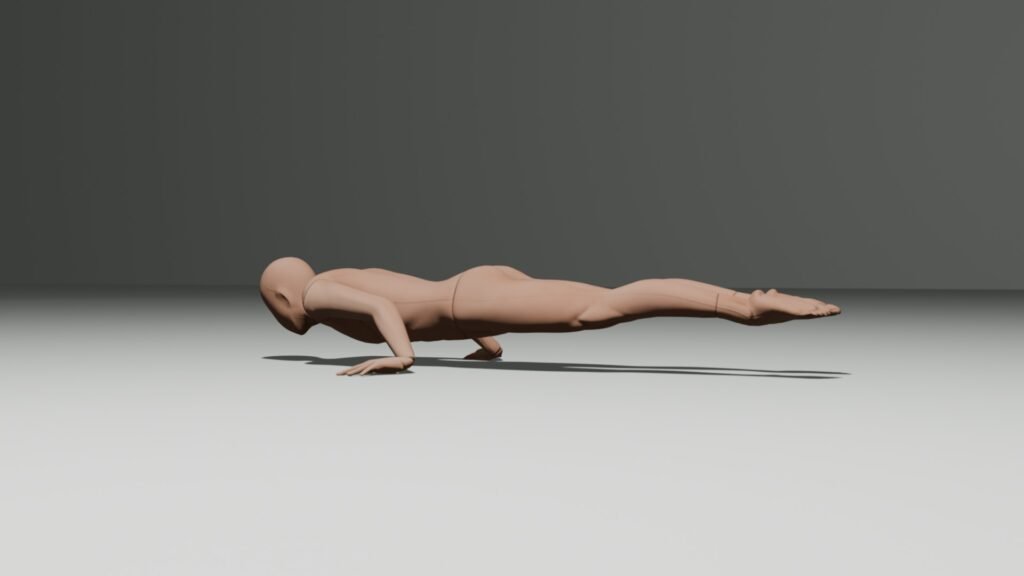
4. The Press
- Exhale and drive hard through your palms to press your body back up to the starting suspended position.
- Actively push your shoulder blades apart at the top lockout to lock out the rep with complete control.
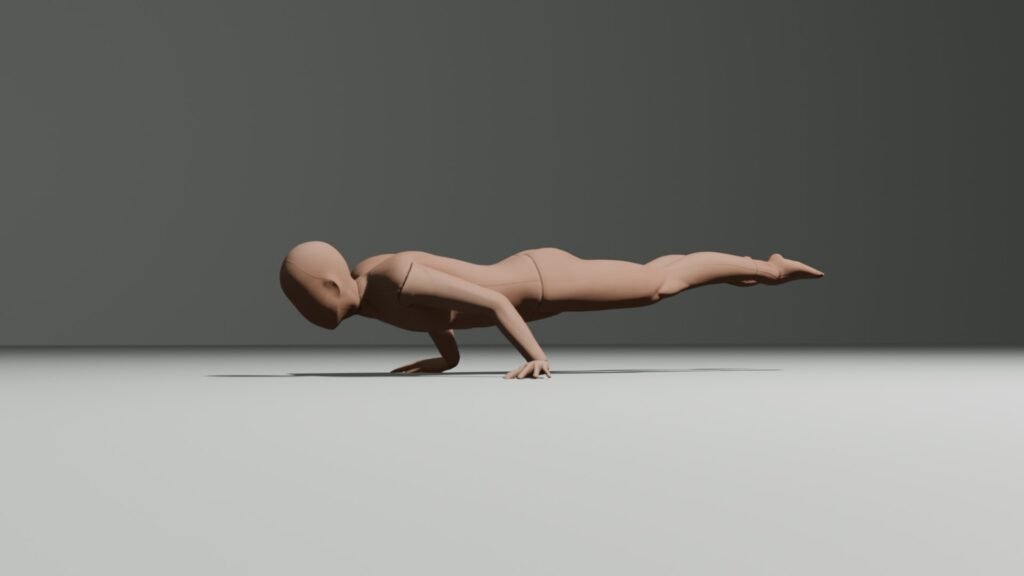
Common Errors & Fixes
- Arching the Lower Back (Banana Form): Letting your hips dip breaks horizontal alignment and places dangerous torque on the lumbar spine. Focus on squeezing your glutes hard and holding a posterior pelvic tilt.
- Bending the Knees or Sagging Legs: Bending your legs shortens the lever arm, turning a full planche into a straddle or advanced tuck. Keep your legs locked straight and toes pointed.
- Insufficient Shoulder Lean: If you do not lean far enough forward, your feet will drag on the floor during the bottom of the movement. Practice forward leans on parallettes to build confidence over your center of gravity.
How to Integrate and Progress
The full planche push-up is an advanced skill that requires years of dedicated tendon adaptation. Attempting this exercise without building foundational straight-arm strength can lead to bicep tendon strain or shoulder injury.
Before attempting full planche training, build your baseline leverage strength through these progressions:
- Pseudo Planche Push-Ups: Master the forward lean with your toes planted on the floor to condition your wrists and shoulders.
- Tuck & Straddle Planche Push-Ups: Practice elevating your legs with knees tucked into your chest, progressing to a wide straddle before attempting a full leg extension.
To see how the full planche push-up compares to other elite leverage skills, check out our complete guide to push-ups.
Frequently Asked Questions (FAQ)
Is the full planche push-up harder than a handstand push-up? Yes. While a handstand push-up requires you to press your bodyweight vertically, the full planche push-up places your body horizontally in mid-air. This horizontal lever creates immense mechanical disadvantage, requiring significantly more shoulder and core force than a vertical handstand push-up.
Why are parallettes recommended for full planche push-ups? Using parallettes places your wrists in a neutral position (thumbs pointing forward), which dramatically reduces the extreme wrist extension stress caused by leaning forward on a flat floor.
How long does it take to achieve a full planche push-up? For most athletes, building the required shoulder leverage, core tension, and bicep tendon conditioning takes anywhere from 2 to 5 years of consistent, structured calisthenics training.