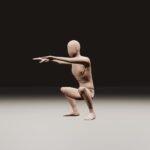

Bodyweight training uses your own body as resistance through exercises such as push-ups, squats, pull-ups, dips and core holds. You can start with little or no equipment and make exercises harder over time by changing leverage, range of motion, tempo or the variation you perform.
If you are completely new, this guide will show you which exercises to start with, how often to train, how to progress, and where to go next.
How to Start Bodyweight Training as a Beginner
You do not need to learn dozens of exercises at once.
Start with a small group of movements that train your whole body and choose variations you can perform with good control.
A simple starting process is:
- Learn one basic push exercise.
- Learn one basic pull exercise.
- Add a squat or lunge variation.
- Add one core exercise.
- Train those movements consistently before worrying about advanced calisthenics skills.
For example, you might begin with incline or regular push-ups, bodyweight squats, assisted pull-ups or inverted rows, and a plank or hollow body hold.
If an exercise is too difficult, use an easier variation. If it becomes very easy, progress to a harder variation rather than simply doing endless repetitions.
Why Progression Matters
Calisthenics is entirely different from random gym workouts. Moving your own body through mid-air requires significant joint stability, core tension, and patience. Skipping steps and ignoring a proper progression for beginners almost always leads to:
- Frustration and plateauing
- Poor form and sloppy habits
- Unnecessary joint injuries
Stay Safe: To ensure you can train long-term without setbacks, check out our comprehensive guide on How To Train Without Injuries (Prevent Injury).
Phase 1 – Beginner Bodyweight Exercises
Before attempting cool tricks, you must build baseline strength. These aren’t the only exercises beginners can do. They’re the fundamental exercises that form the base for your later calisthenics skills.
| Movement | Beginner exercise | Next step |
|---|---|---|
| Push | Push-Ups | Dips / Pike Push-Ups |
| Pull | Inverted Rows / Assisted Pull-Ups | Pull-Ups |
| Legs | Bodyweight Squats | Lunges / Split Squats |
| Core | Plank / Hollow Body Hold | Hanging Leg Raises |
Push Exercises (Chest, Shoulders, Triceps)
- Movements to Master: Classic Push-Ups, Pike Push-Ups, and Dips.
- Why it matters: This builds the horizontal and vertical pushing power required for future handstands and advanced presses.
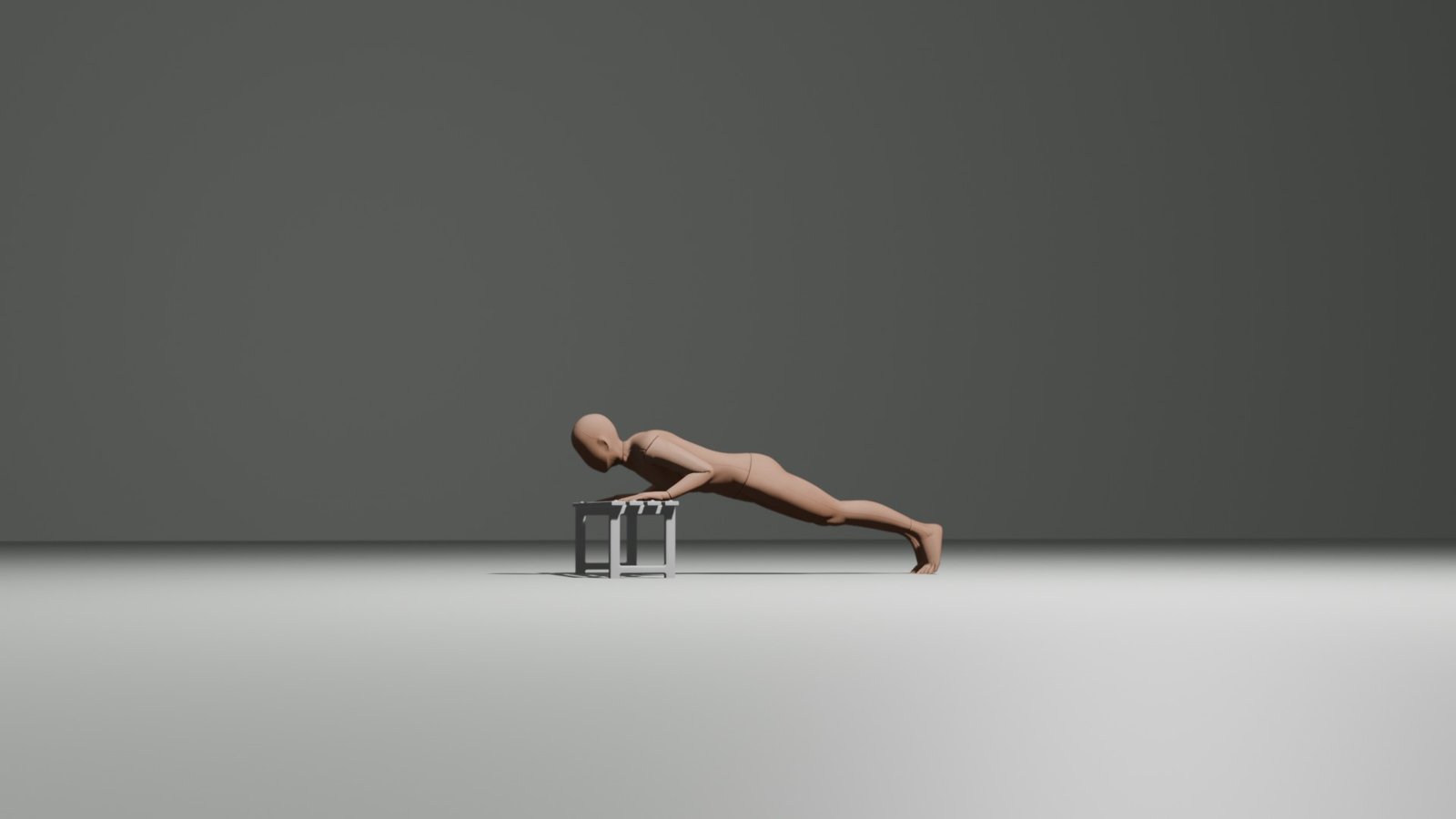
Push-Ups
Push-ups are one of the most popular and exercises for building upper body strength. They act as a bodyweight alternative to the traditional bench press targeting chest, front delts, triceps, and core muscles for stabilization.
Not ready for regular push-ups? Start with Incline Push-Ups.
Pike Push-Ups
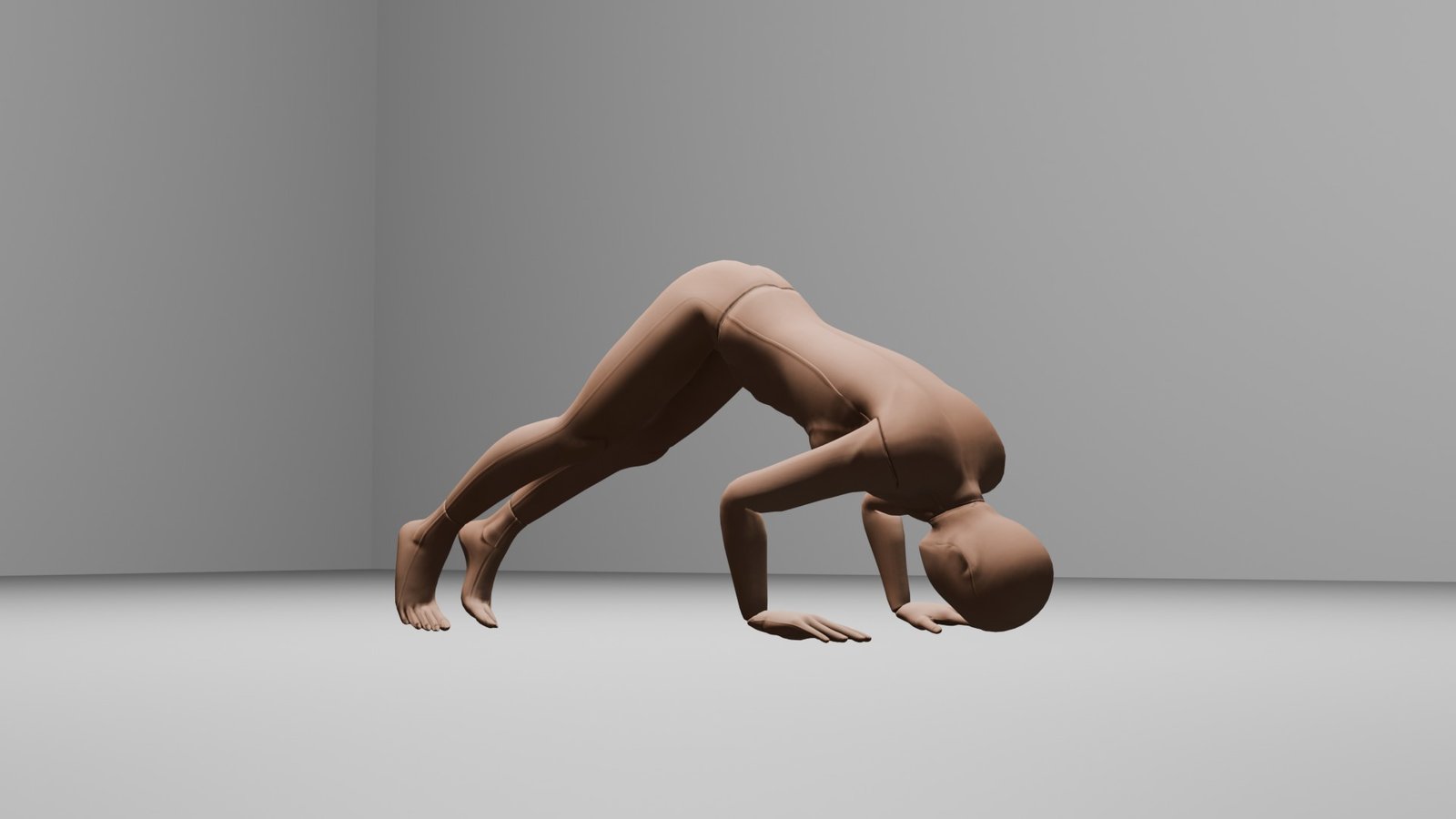
Pike push-ups are basically a bodyweight version of shoulder press. You can adjust bodyweight load on your shoulders by widening the distance between your feet and hands.
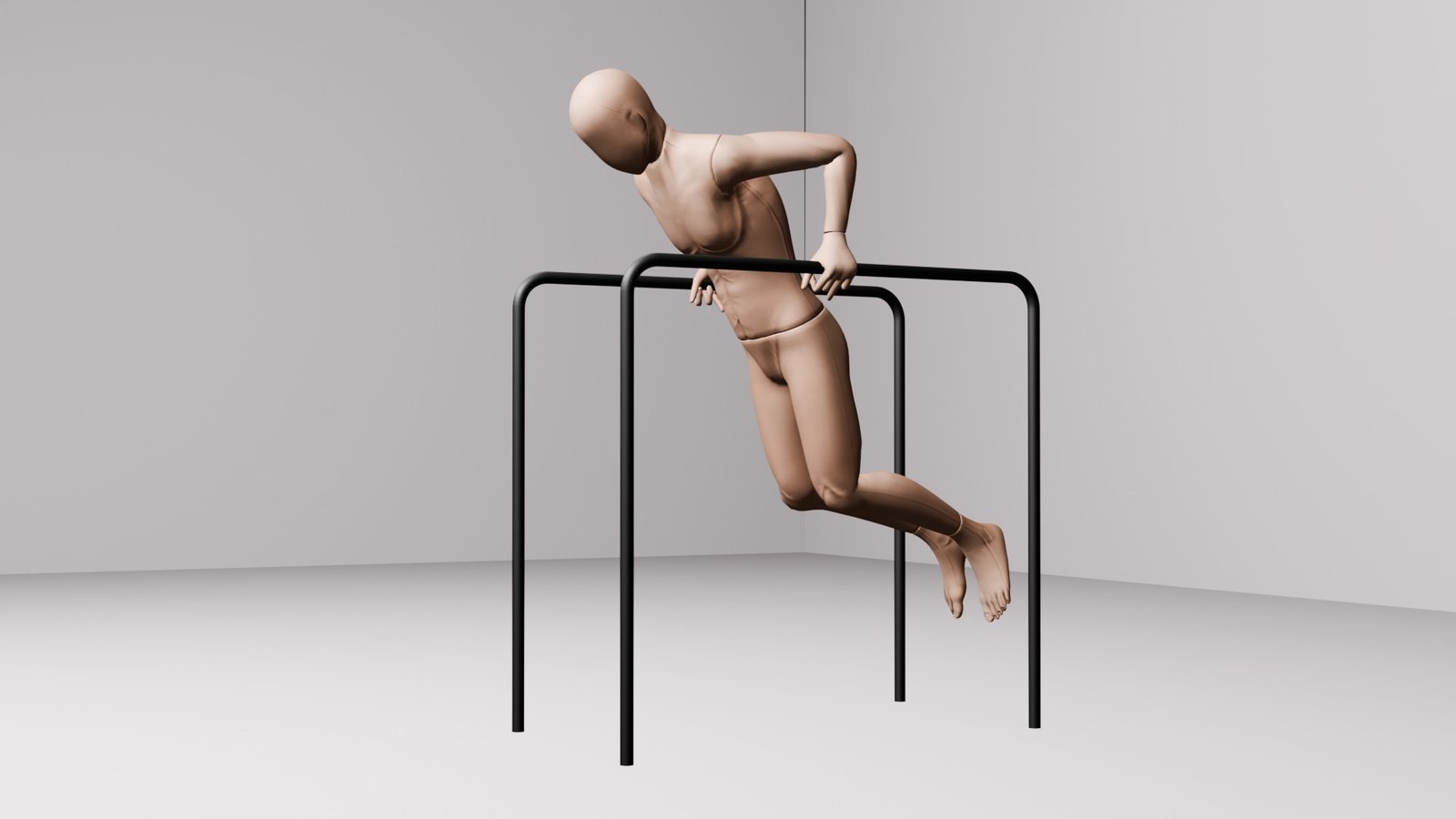
Dips
Dips are a great upper body bodyweight exercise that targets mostly the chest, triceps and shoulders but you will need something higher than your chest to jump onto. You must be able to raise and lower your body without your feet touching the ground.
Pull Exercises (Back, Lats, Grip)
- Movements to Master: Dead Hangs, Inverted Rows, Chin-Ups, and Pull-Ups.
- Why it matters: You cannot build a strong back or execute advanced skills without grip strength and scapular control.
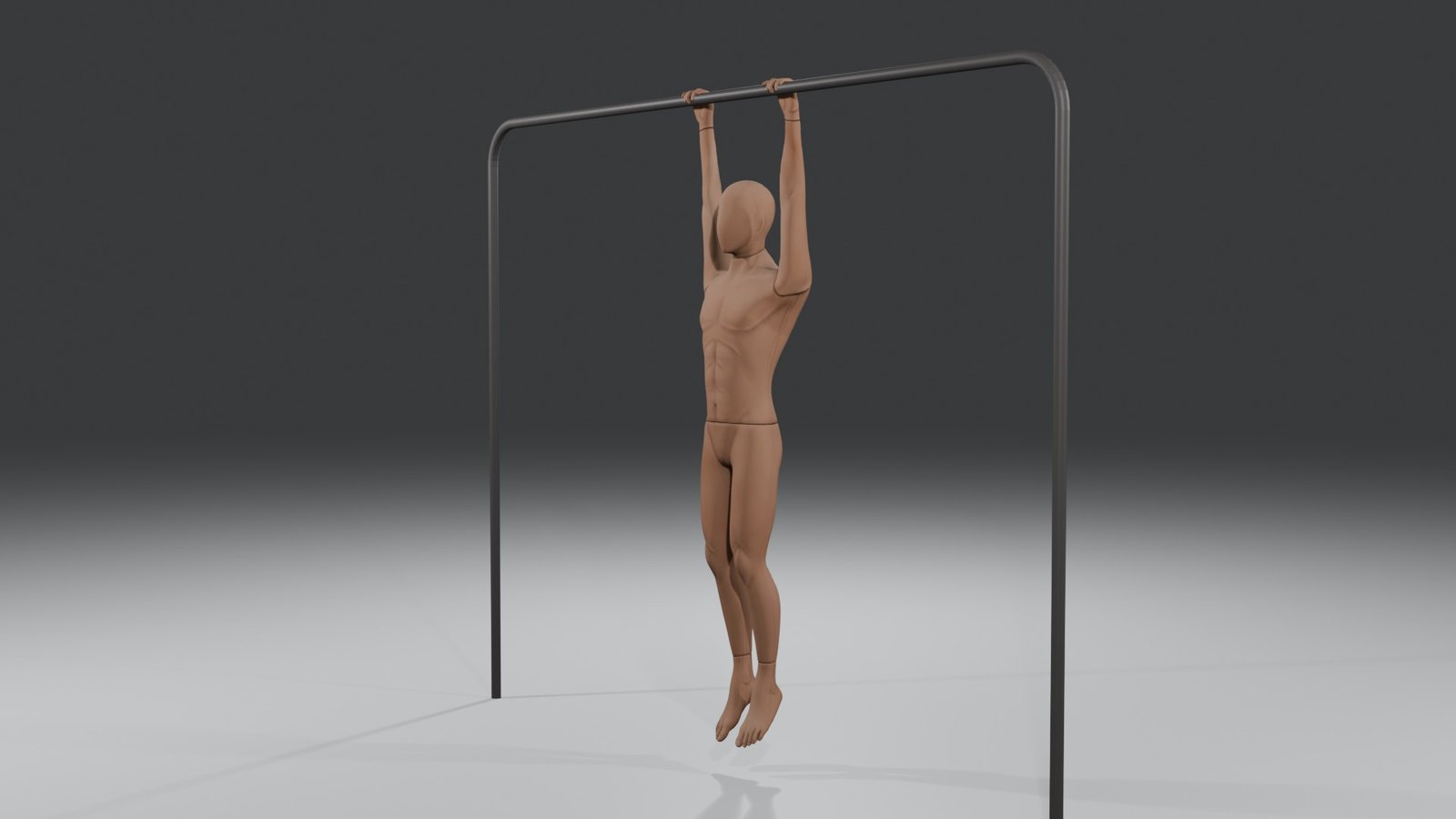
Passive Hang (Dead Hang)
Constant dead hangs can deliver huge returns for your upper body health, mobility, and functional strength. Grip strength also help with other exercises that require hanging.
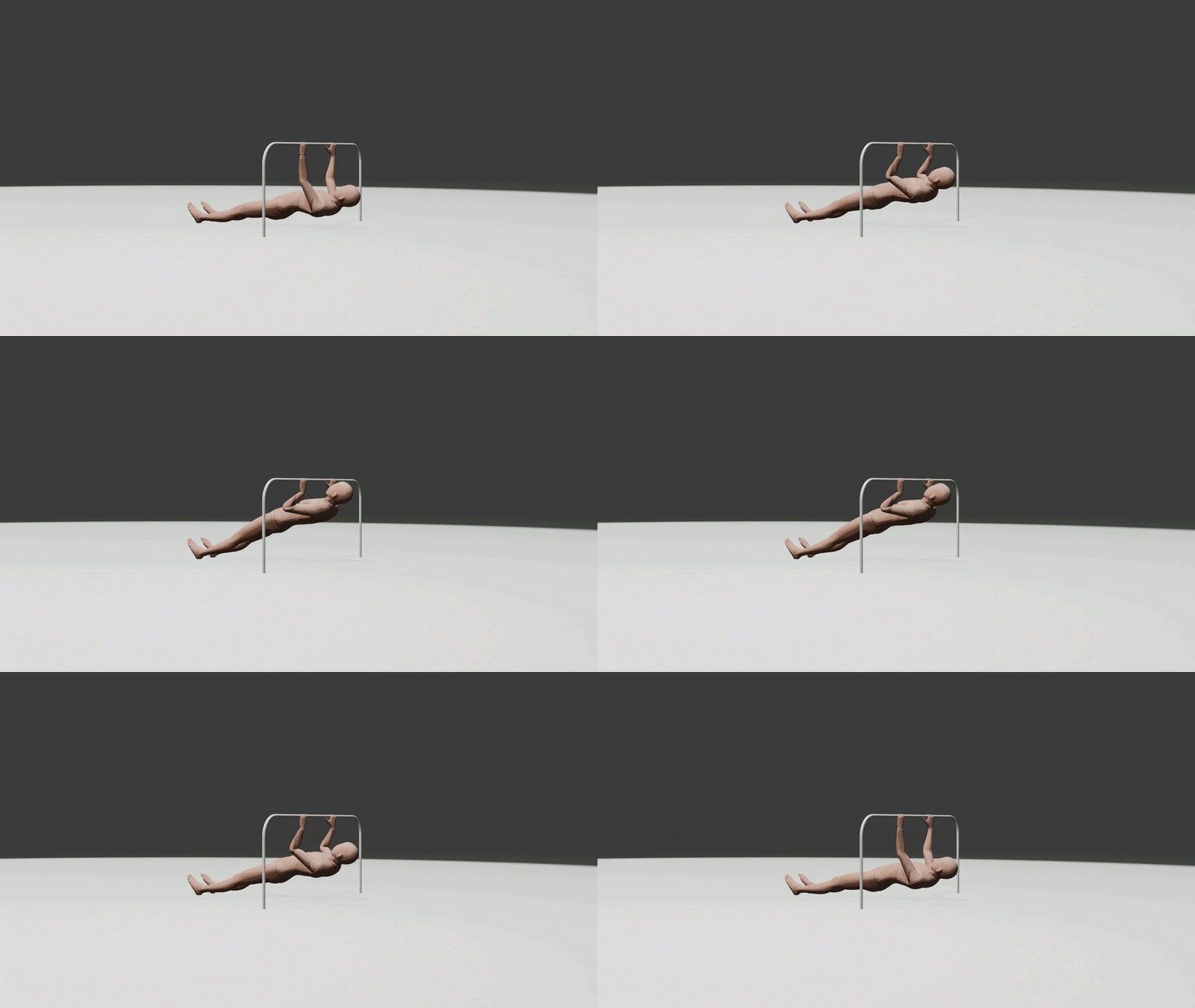
Inverted Row
The inverted row—frequently called the Australian pull-up, bar row, or bodyweight row—is the undisputed foundation of horizontal pulling in calisthenics.
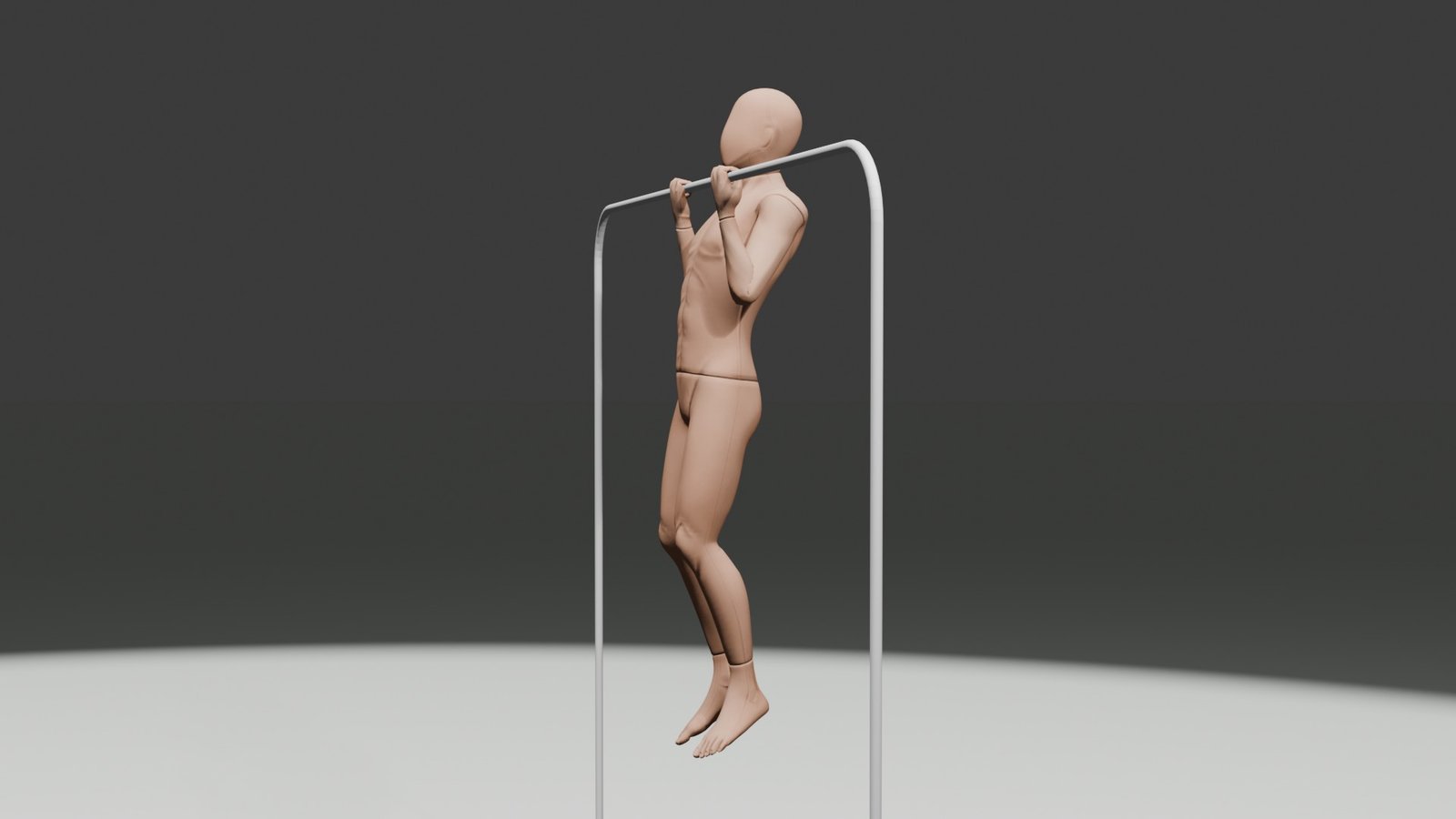
Chin-Ups
Chin-ups build impressive biceps, widen your lats, and develop grip strength. Chin-ups are usually easier than pull-ups, but they target and work a bit different muscles.
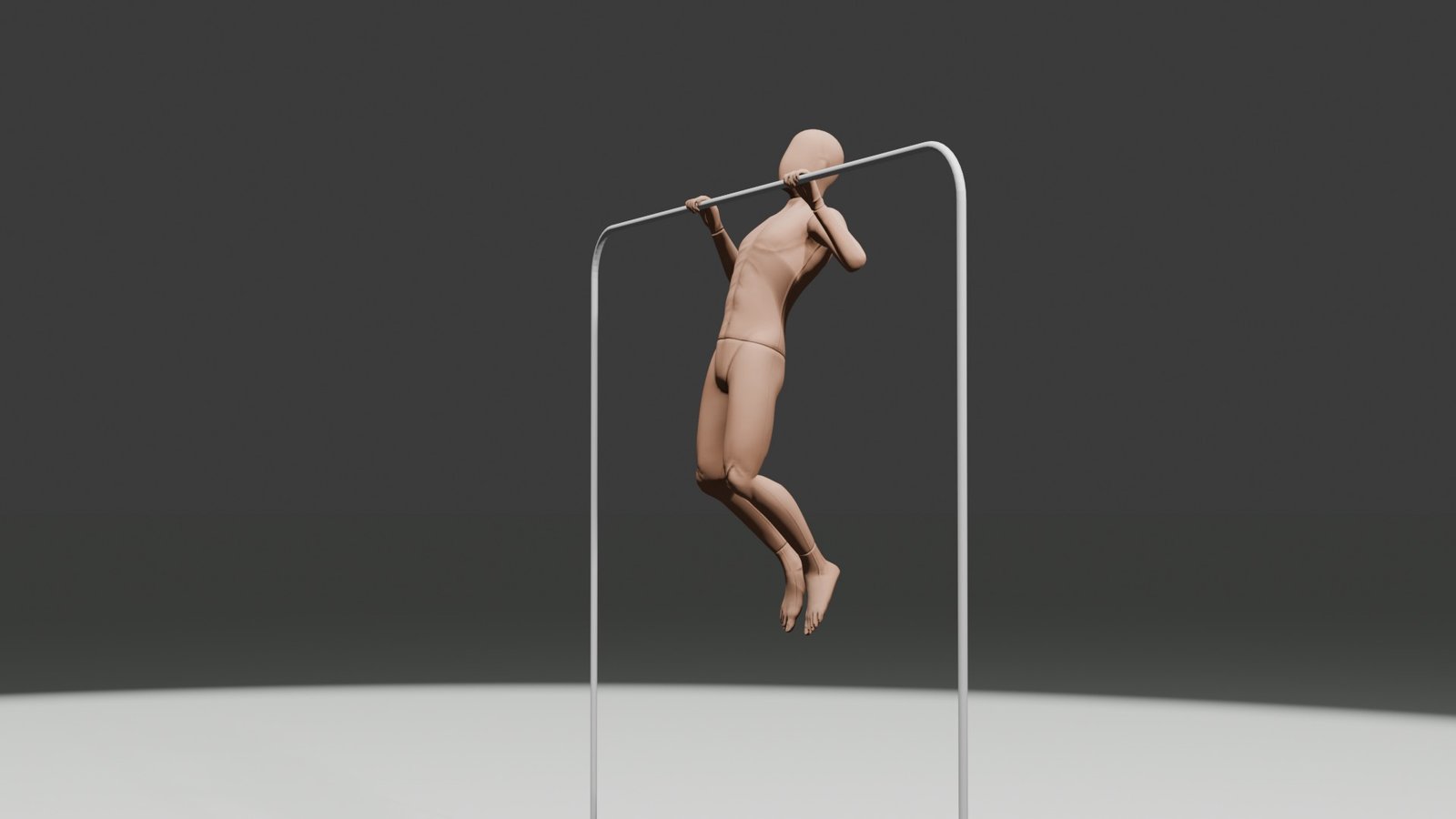
Pull-Ups
Pull-ups are the gold standard of bodyweight upper-body exercises. Pull-ups are a main pulling bodyweight exercise for back and lats.
Core Exercises (Abs, Obliques, Lower Back)
- Movements to Master: Plank, Hollow Body Holds, and Hanging Leg Raises.
- Why it matters: Core strength is the “bridge” that keeps your body straight. Without it, your hips will sag during advanced moves.
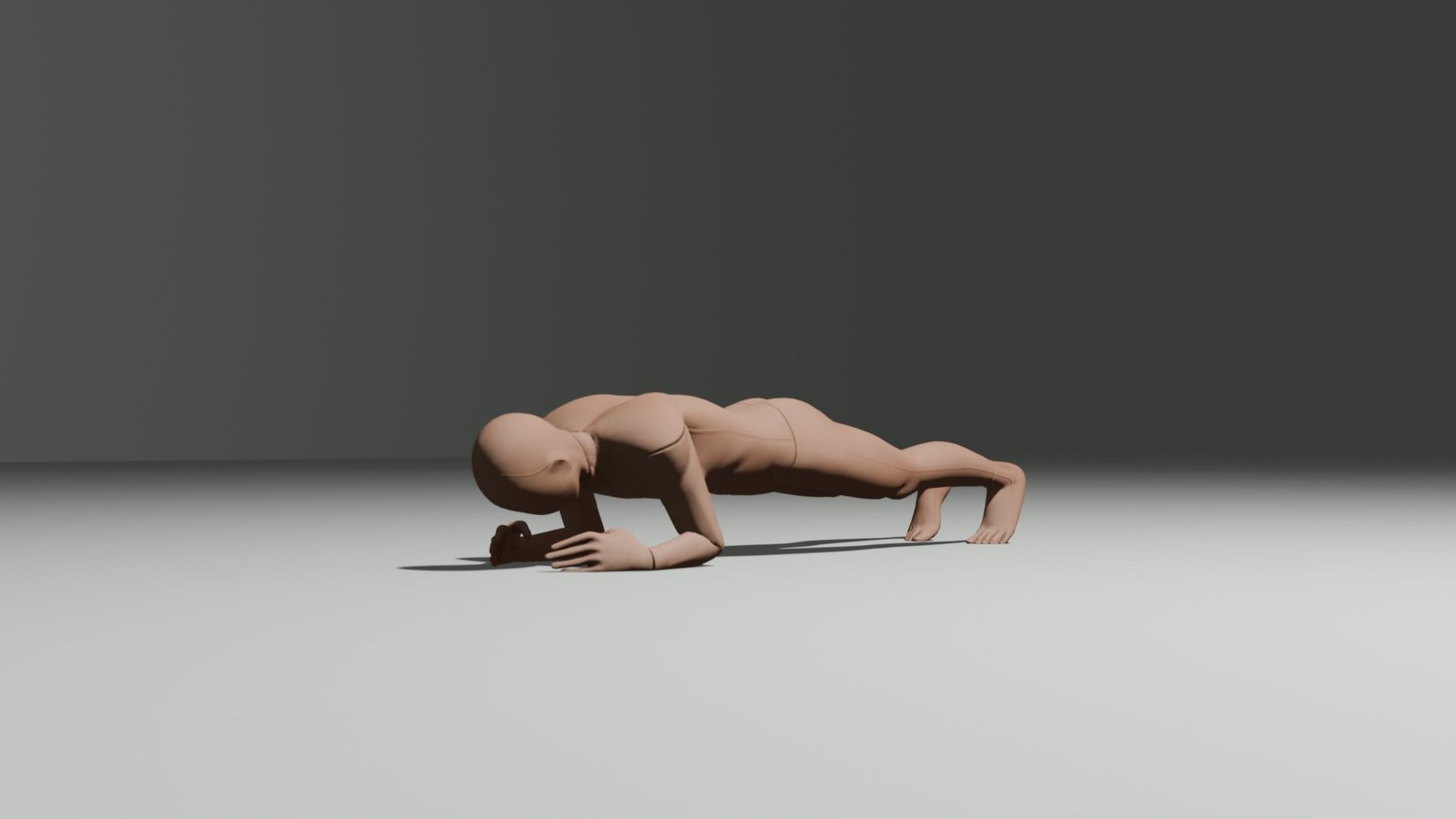
Plank
In plank hold your objective is to lock your body into a perfectly straight, rigid line parallel to the ground using mainly your core muscles.
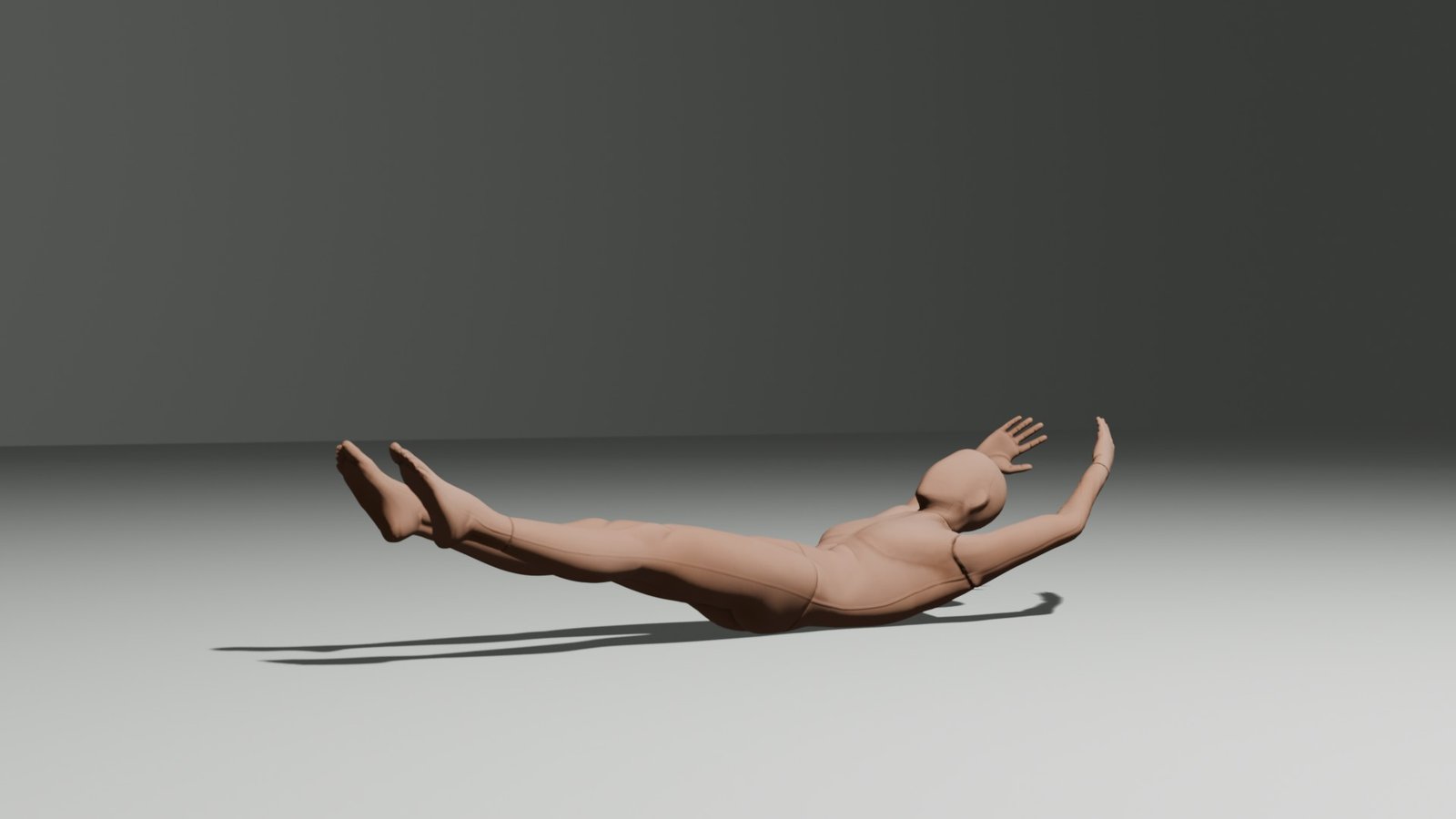
Hollow Body Hold
Hollow body holds are kind of reverse planks. It is beginner-friendly and incredibly easy to target your abs and burn them good.
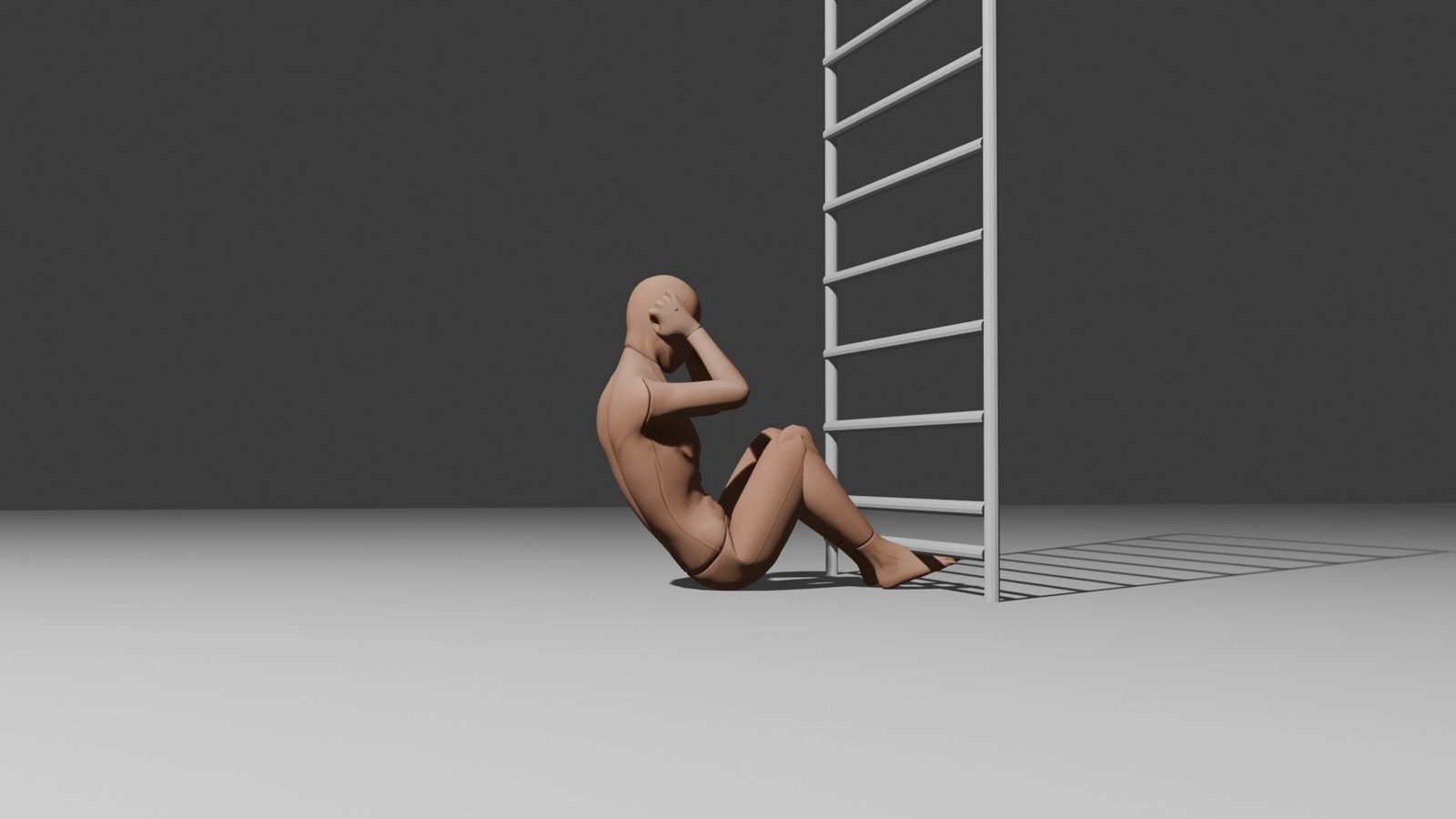
Sit-Ups
The sit-up is a classic exercise for abs and core however, poor form can quickly lead to lower back strain, neck pulling or other serious injuries.
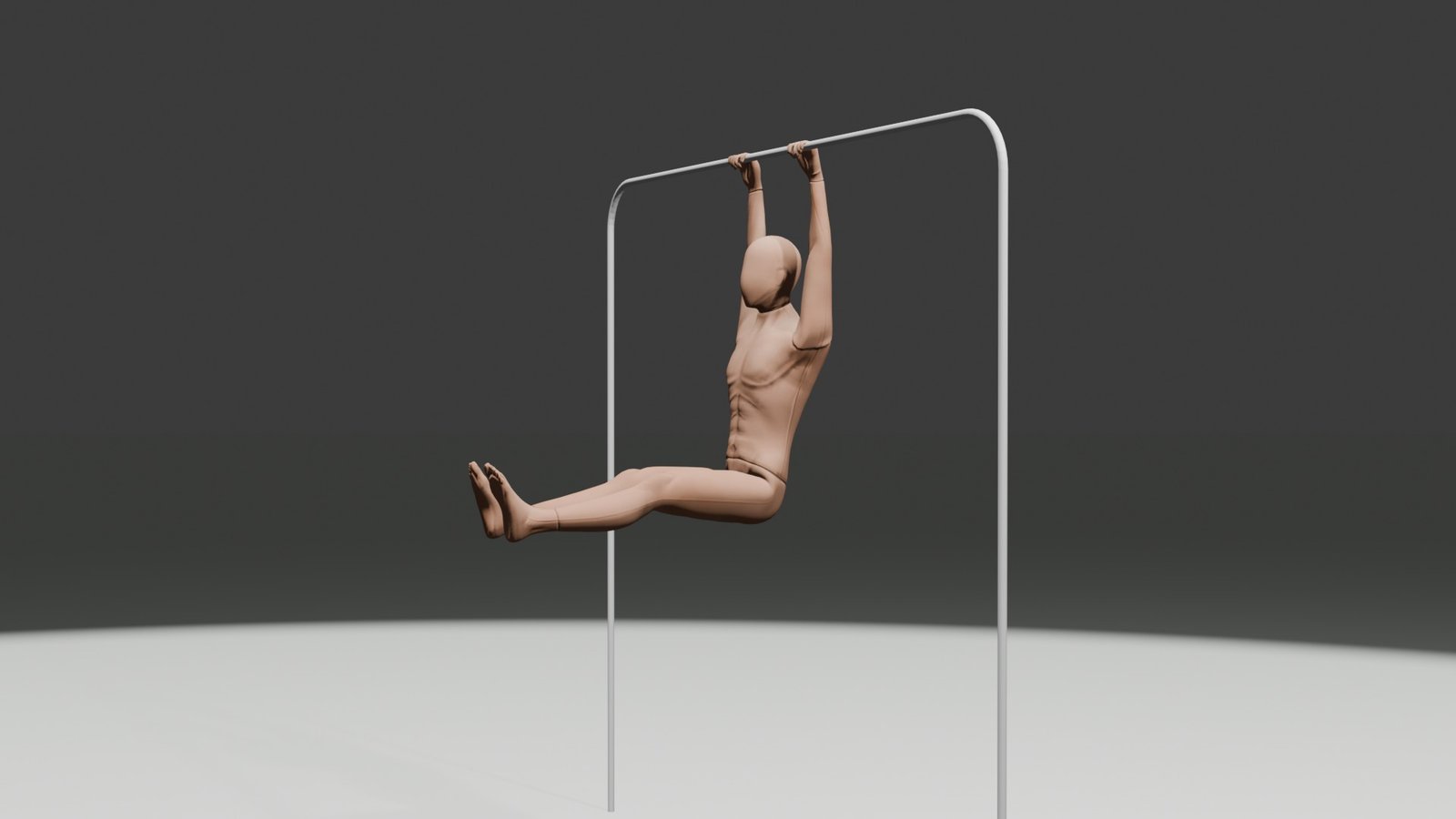
Hanging Leg Raises
As the name suggests, hanging leg raises involves hanging from a bar and raising your legs using your abs and core muscles. You can alternate the difficulty by bending your knees or straightening them.
Lower Body Exercises (Legs & Glutes)
- Movements to Master: Bodyweight Squats and Lunges.
- Why it matters: Strong legs improve balance, overall coordination, and total athleticism.
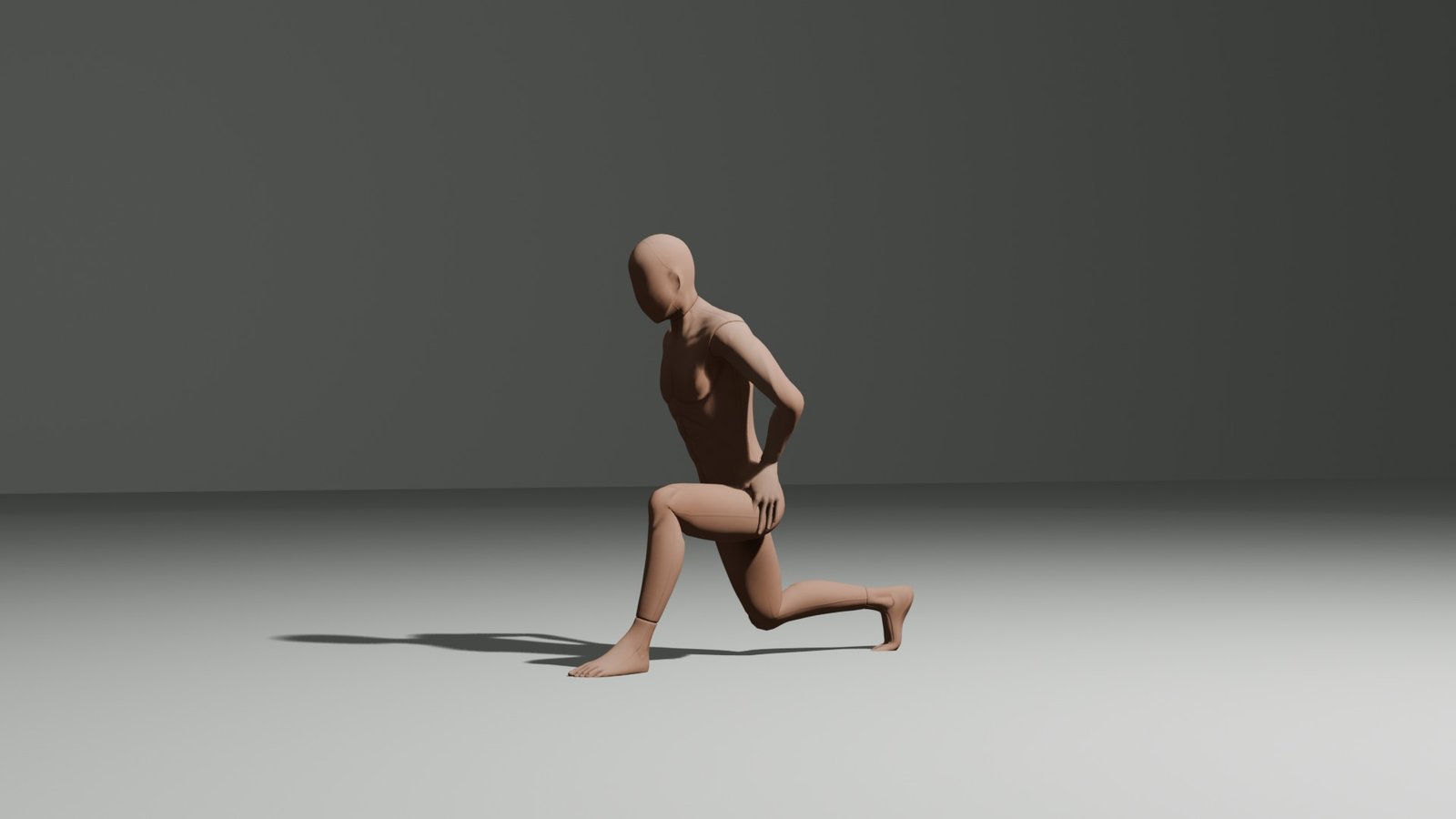
Lunges
Lunges are a great addition to bodyweight squats as one of the best bodyweight exercises for building leg strength, improving balance, and developing bigger legs without any equipment.
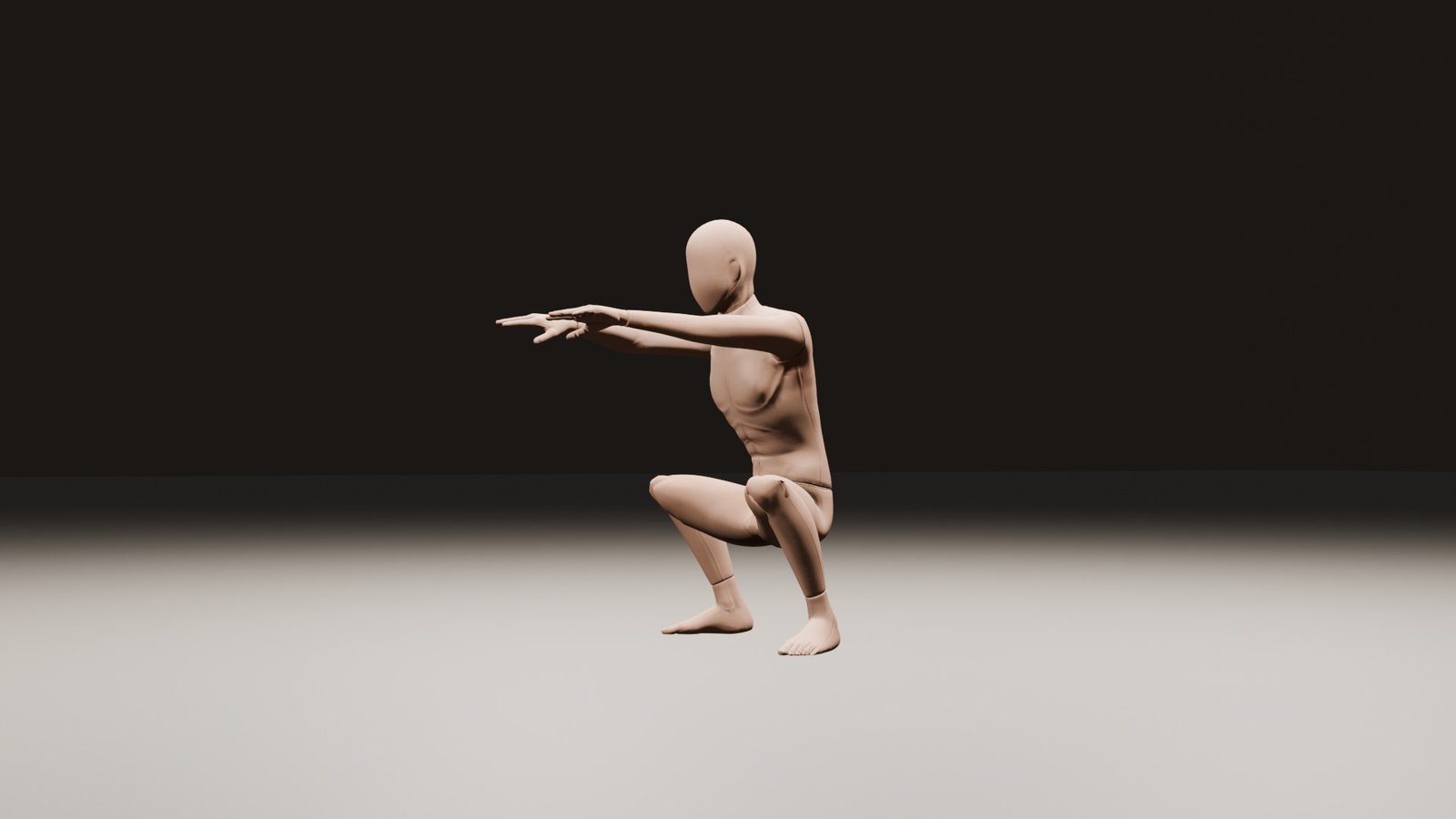
Bodyweight Squats
The bodyweight squat is the foundation of lower body calisthenics training that transfers to more advanced leg exercises. It’s safe and builds incredible functional mobility.
- Want to train your glutes more directly? Try Glute Bridges. They’re a beginner-friendly hip-extension exercise you can do at home without equipment.
- If your hips feel locked up during squats, lunges, hanging leg raises, or L-sit practices, look over our step-by-step guide on tight hip flexor stretches and exercises.
Phase 2 – Beginner Calisthenics Skills
Once you’ve developed basic pushing, pulling, leg and core strength, you can begin learning your first skills. These moves introduce you to balance, inverted positions, and straight-arm tension.
Why it matters: Beginner calisthenics skills are the ones that when you learn your motivation skyrockets. Once you see yourself being able to hold a handstand for 10 seconds or doing the bar pullover you last time did as a kid, you will understand that the harder skills are also available with enough practise.
Movements to Master: Handstand, L-Sit, Bar Pullover, Skin The Cat.
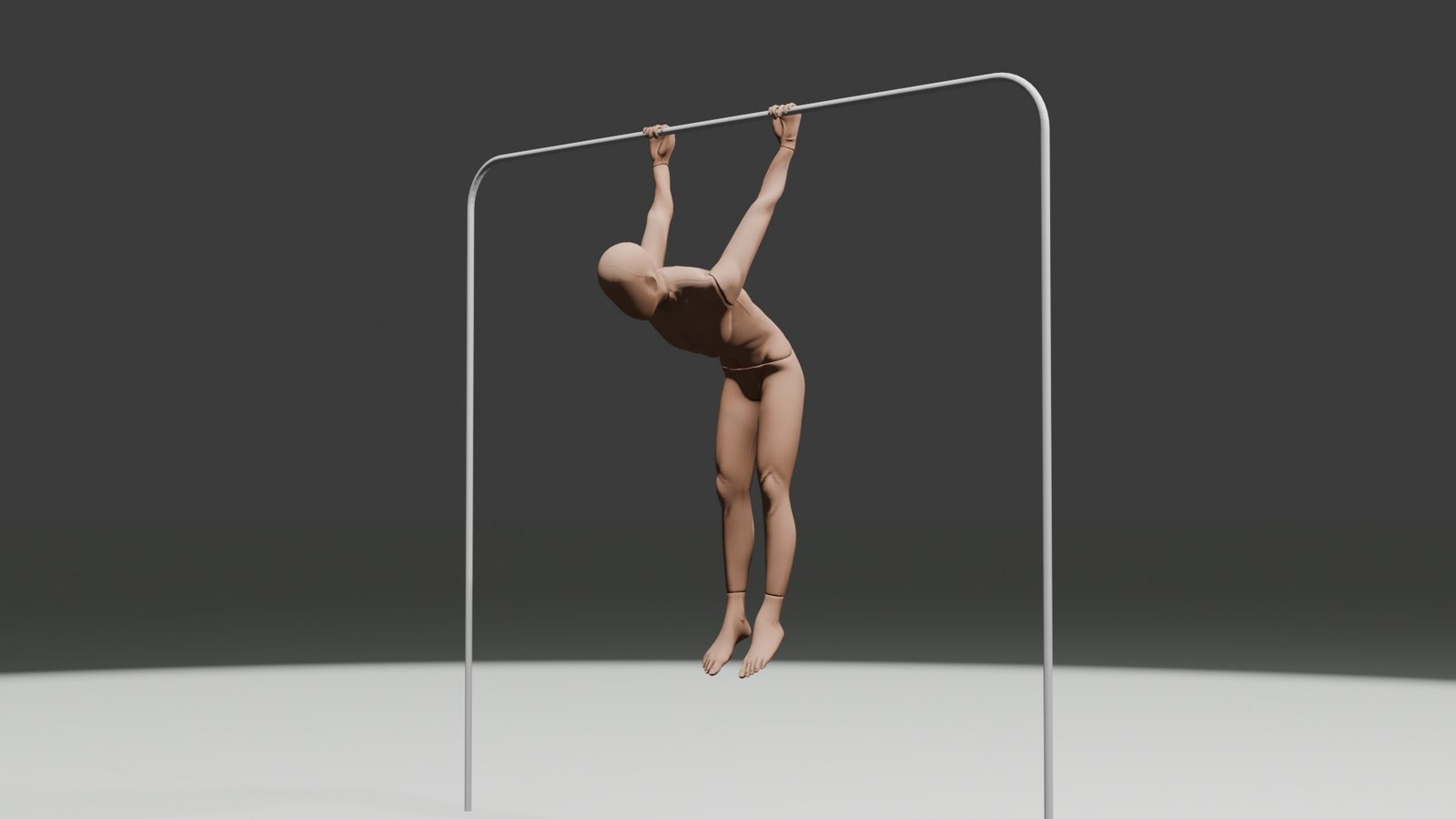
Skin The Cat
It prepares your joints and connective tissues for the heavy strain of future intermediate skills. Progress slowly!
The German hang improves:
- Shoulder Mobility
- Chest Flexibility
- Bicep Tendons
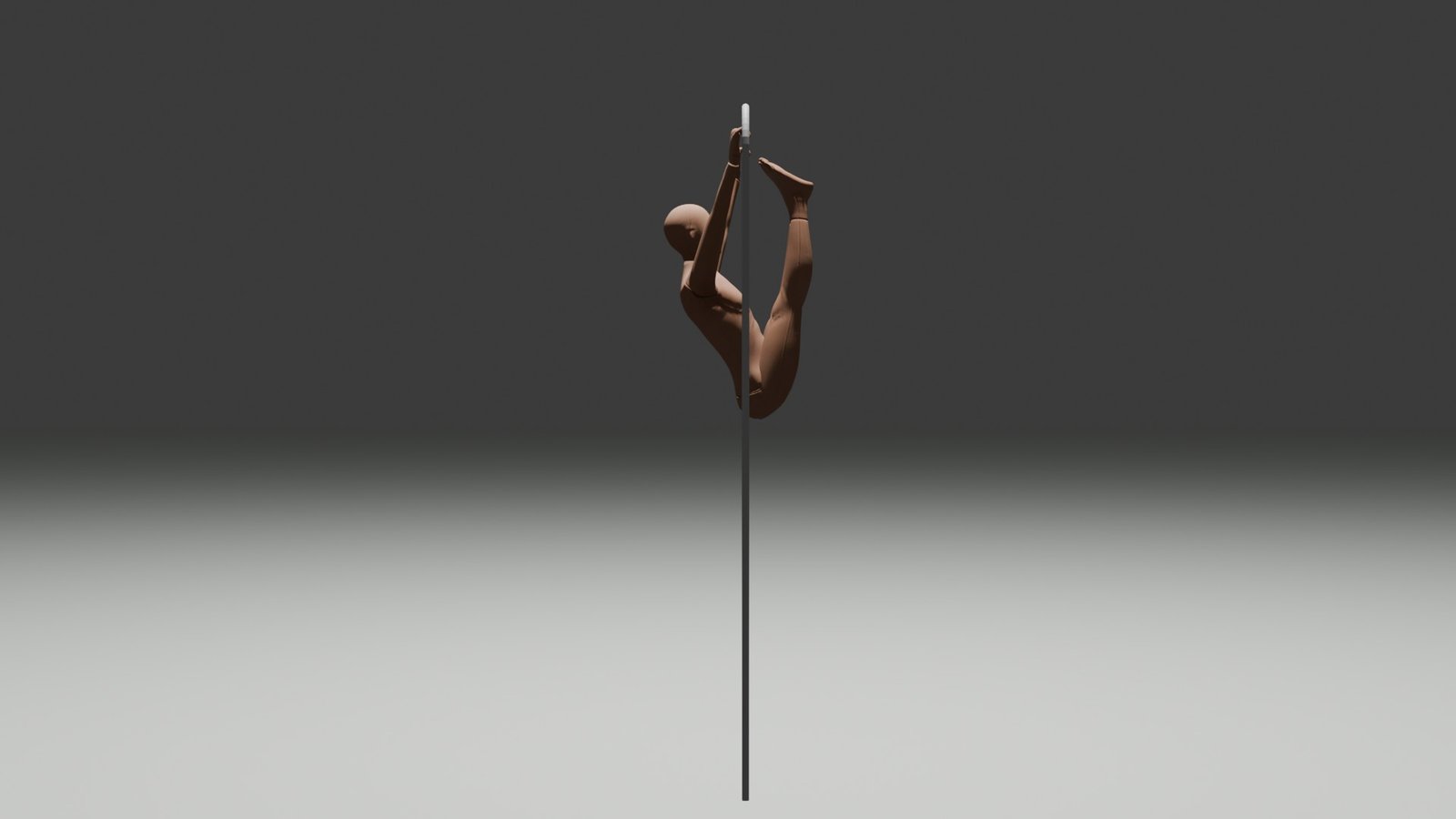
Bar Pullover
It teaches you how to move your hips over the bar, making it highly beginner-friendly compared to other bar skills.
The bar pullover teaches:
- Full Body Coordination
- Explosive Pulling
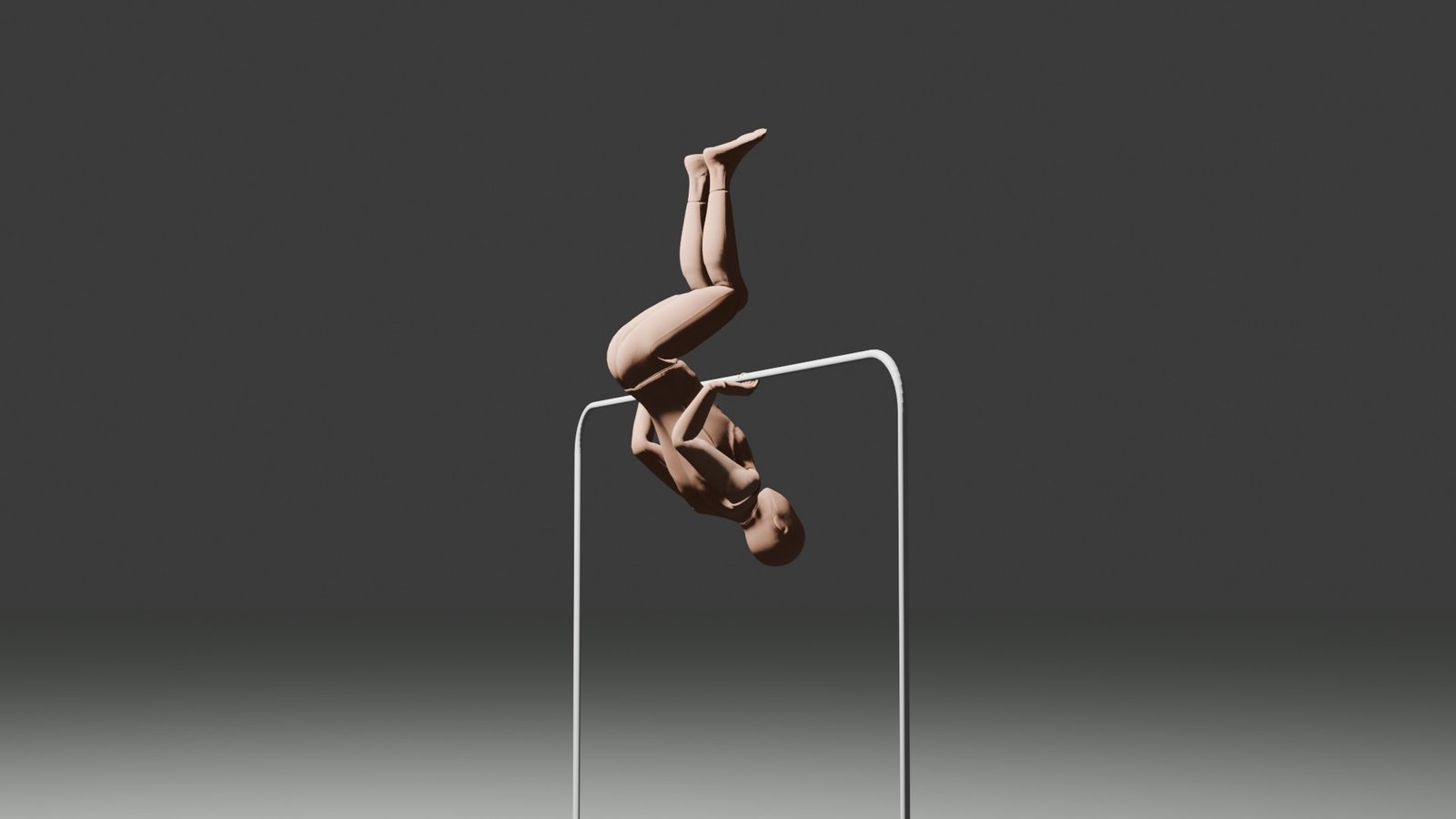
Toes To Bar
An exceptional core and grip builder. You must completely master strict hanging leg raises before attempting this dynamic movement.
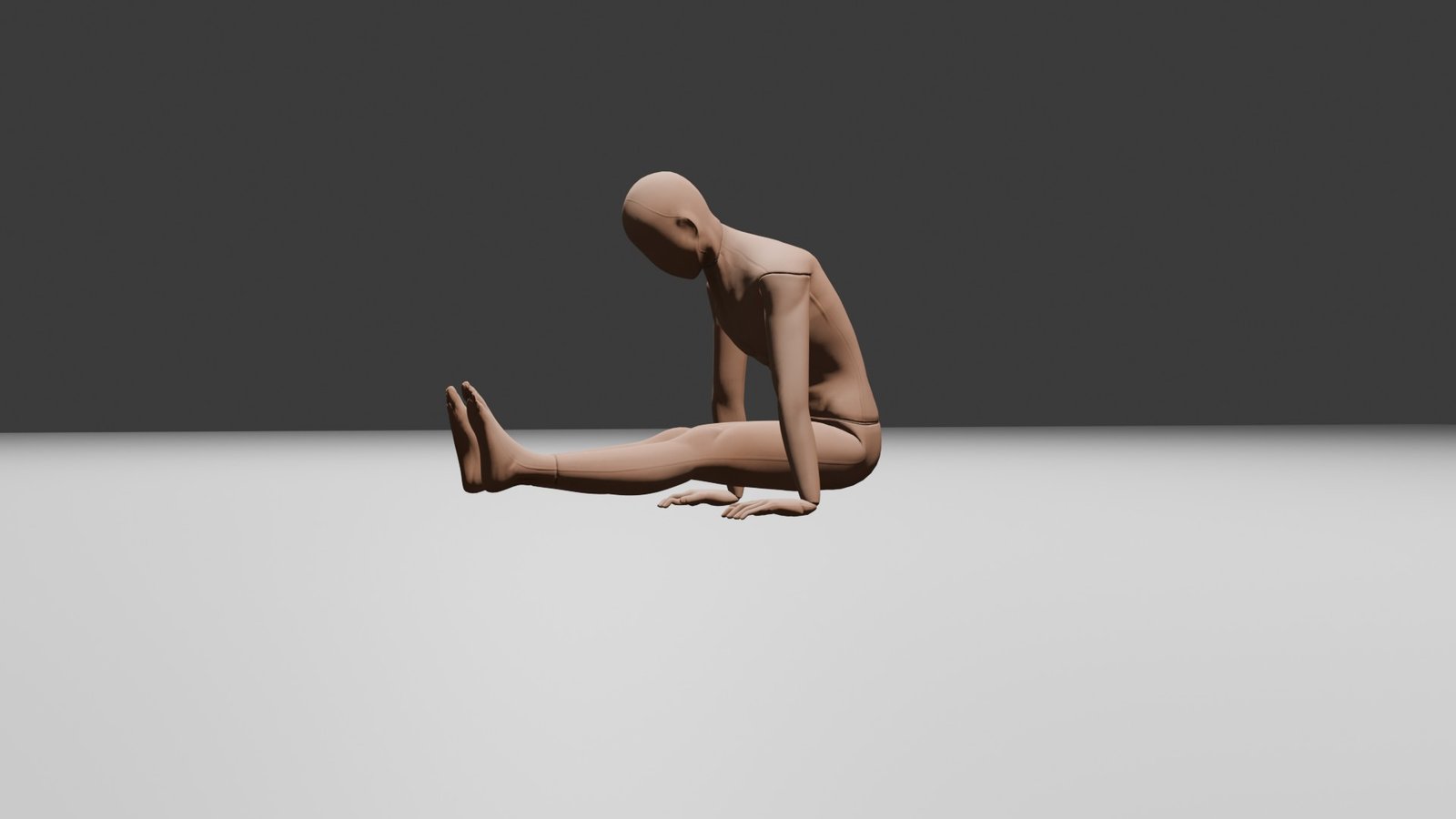
L-Sit
It is the ultimate test of beginner body control, teaching you to lift your entire lower body off the ground.
What it targets:
- Deep Core,
- Hip Flexors
- Hip Compression
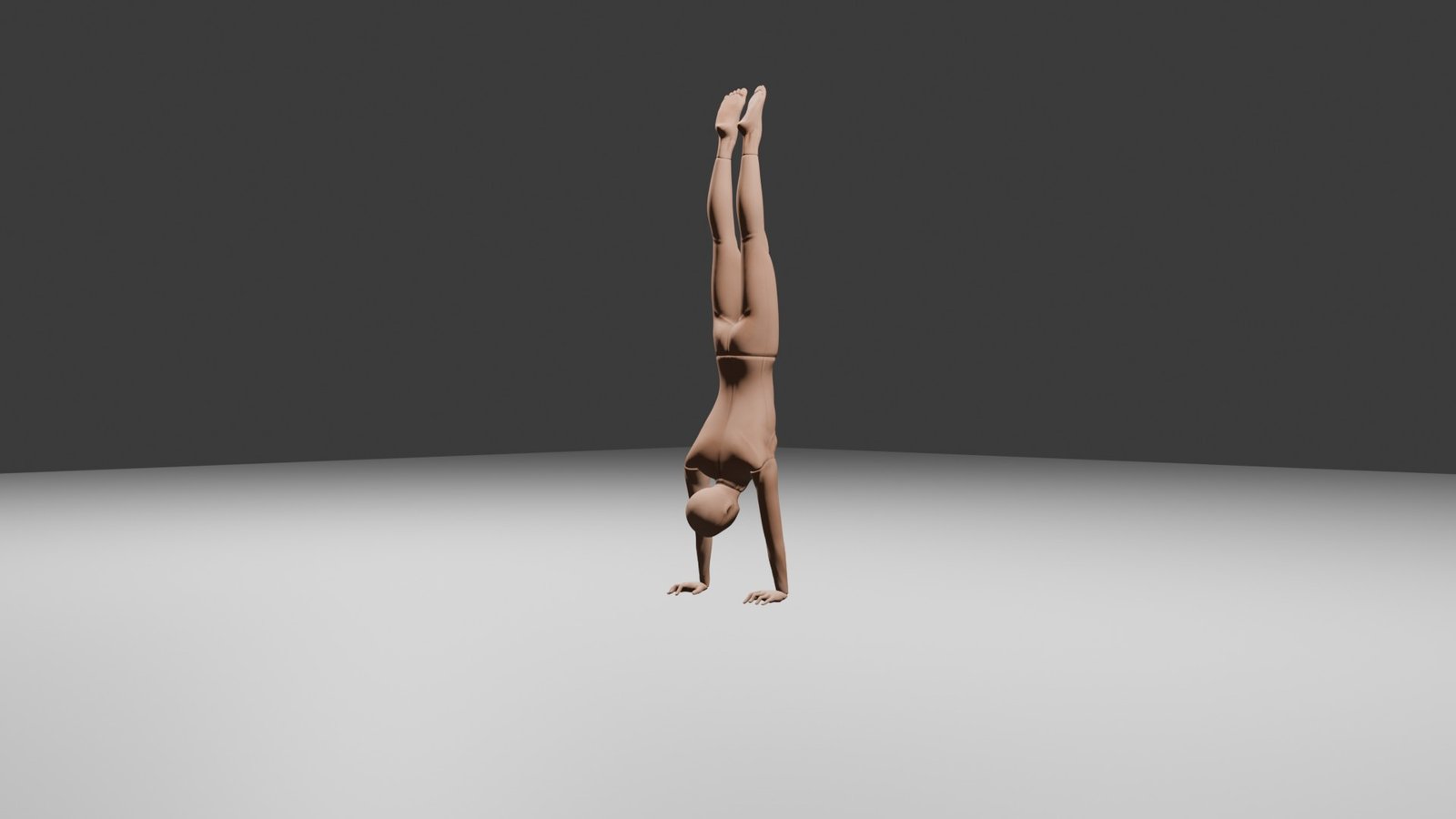
Handstand Hold
The handstand hold builds overhead stability. You must master the static wall hold before attempting dynamic handstand push-ups.
What it targets:
- Shoulders
- Balance
- Body Awareness
Phase 3 – Intermediate & Advanced Calisthenics Skills
These are the benchmark goals most people think of when starting bodyweight training and calisthenics. Do not rush into these—treat them as long-term goals to build toward gradually.
Why it matters: Advanced calisthenics skills are the most fun ones. They are the skills that prove you have done the work and you can show off and perform them in public parks and gyms and people will really just say “WOW” and be impressed.
Movements to Master: Mucle Up, Planche, Front Lever, Handstand Push Up.
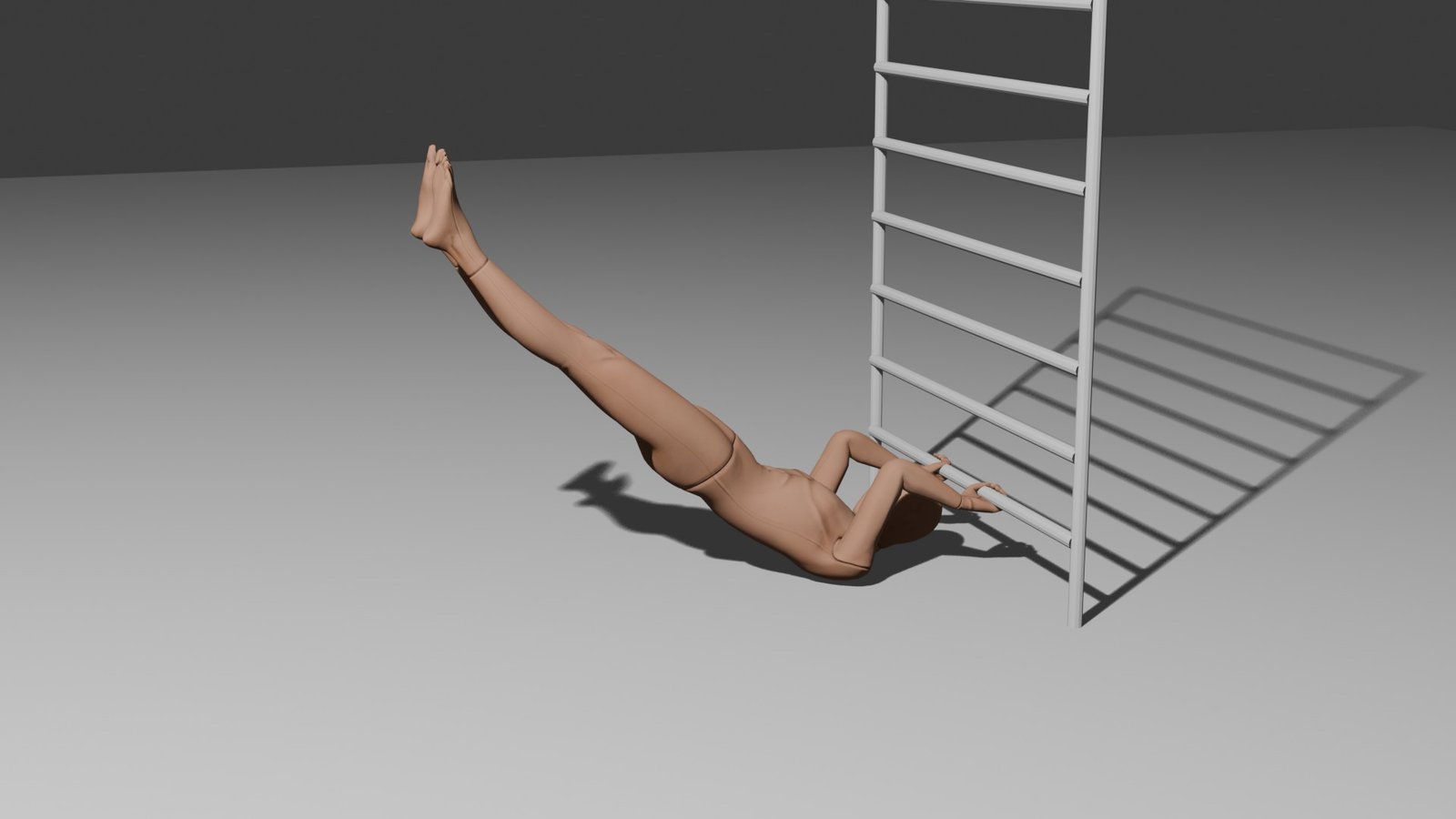
Dragon Flags
An incredibly challenging core exercise popularized by Bruce Lee. It requires rigid, full-body tension from your shoulders down to your toes.
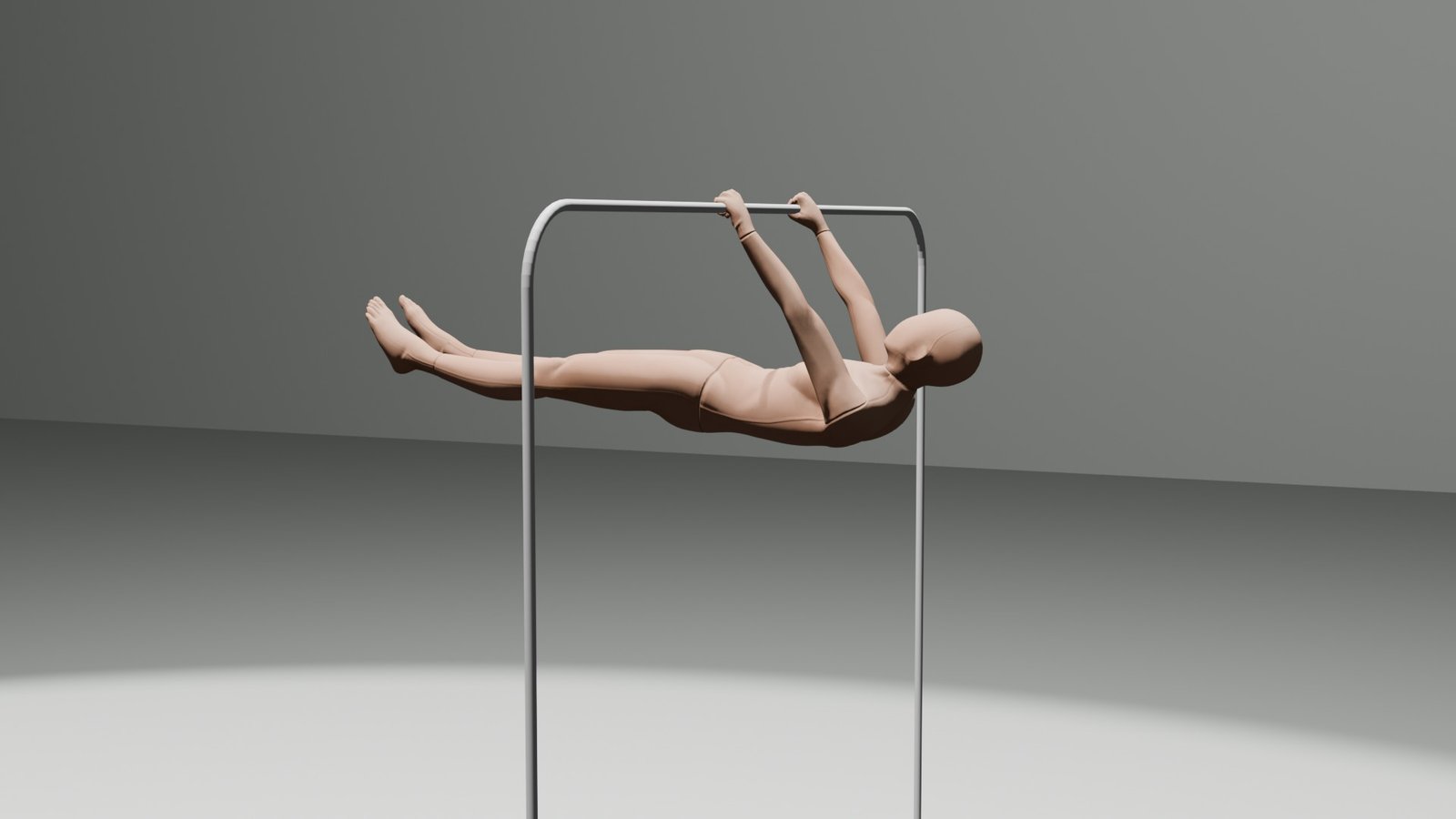
Front Lever
An elite, static pulling skill. It requires immensely strong lats and core engagement. Build a foundation of pull up strength and strong core first.
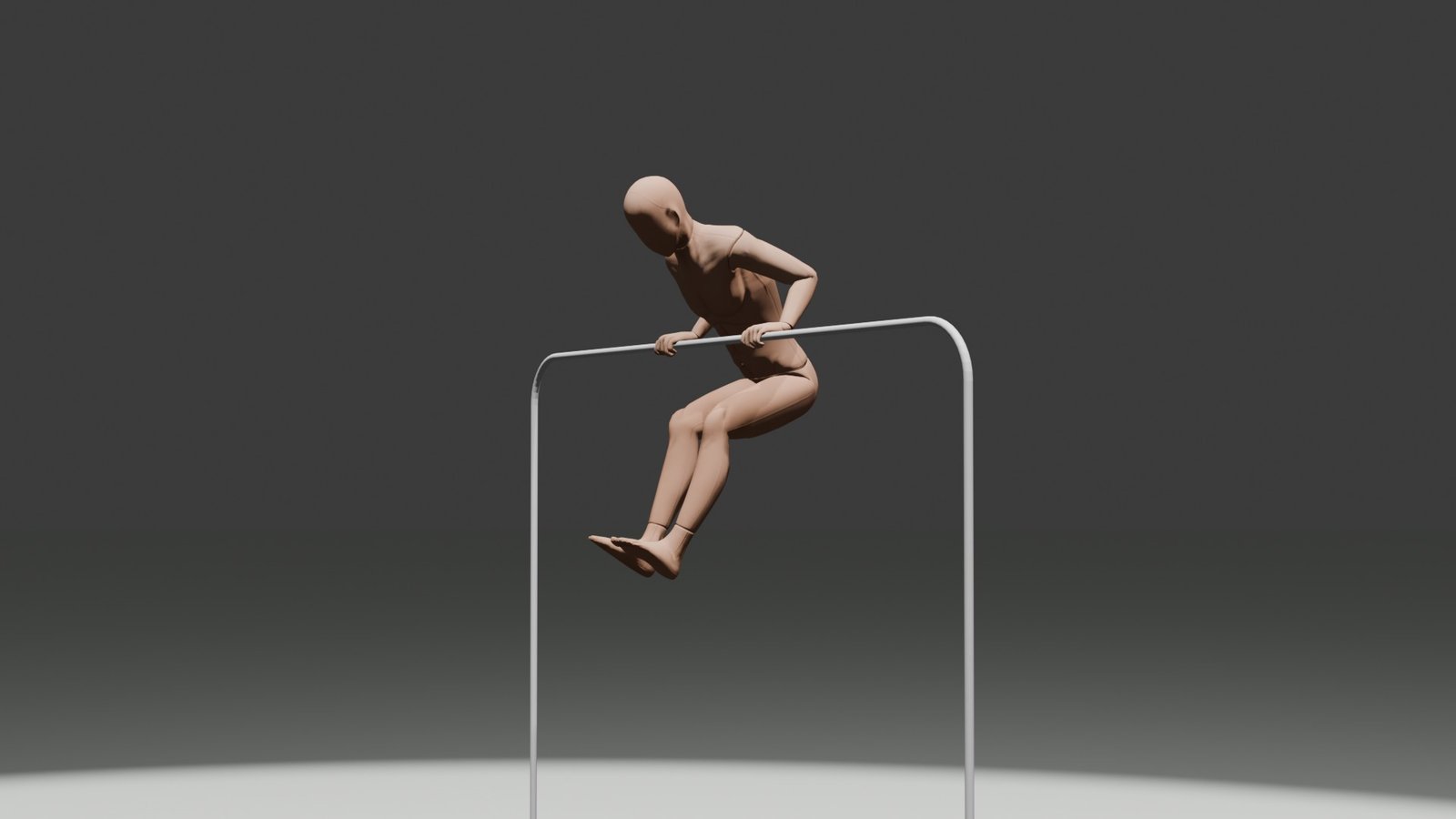
Muscle-Up
The king of bar skills. It requires explosive pulling strength and a clean transition to push your torso over the bar. Build supreme pull-up and bar-dip strength first.
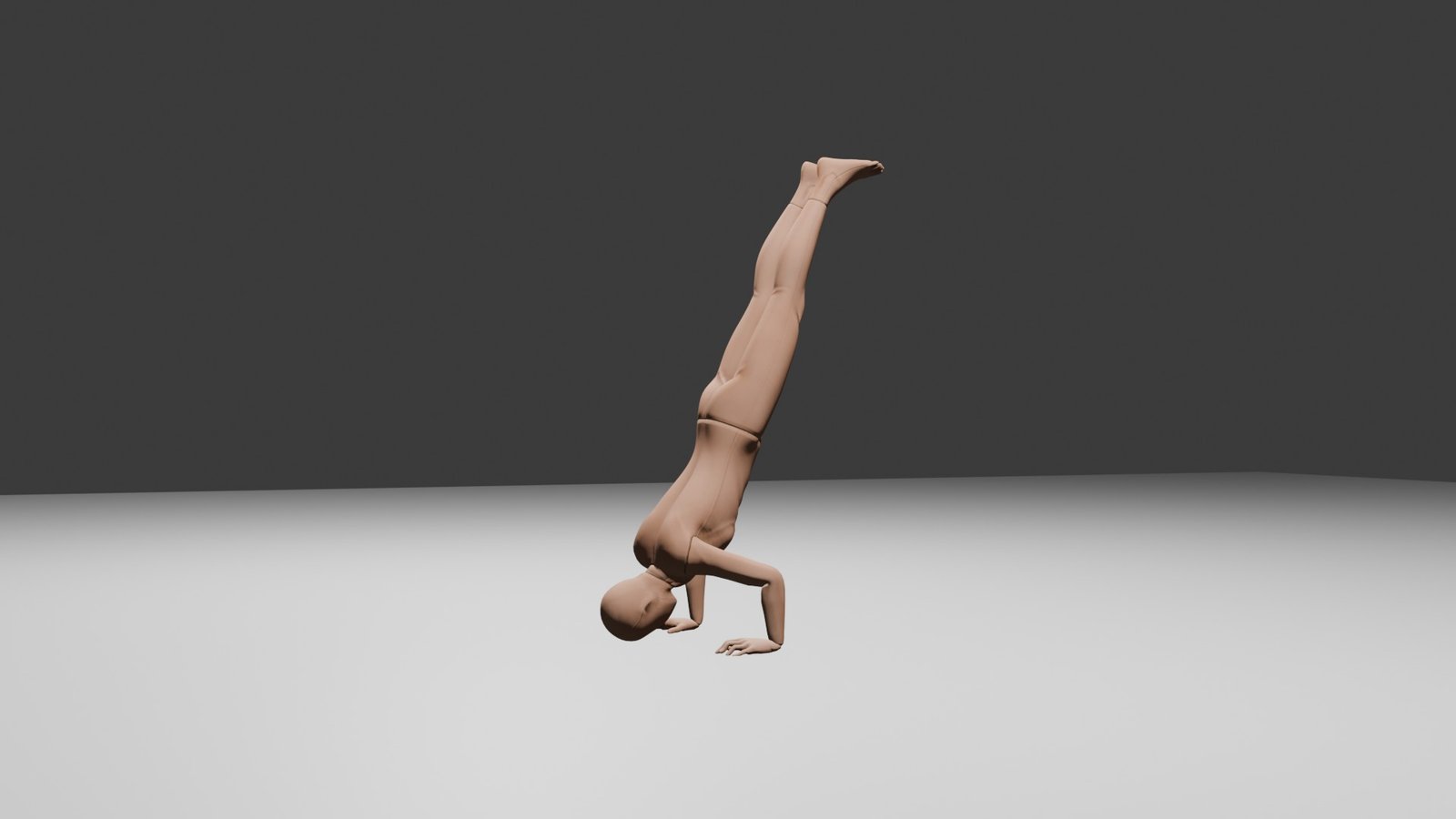
Handstand Push Ups
Requires massive shoulder strength and balance. Build up to them using pike push ups with elevated feet.
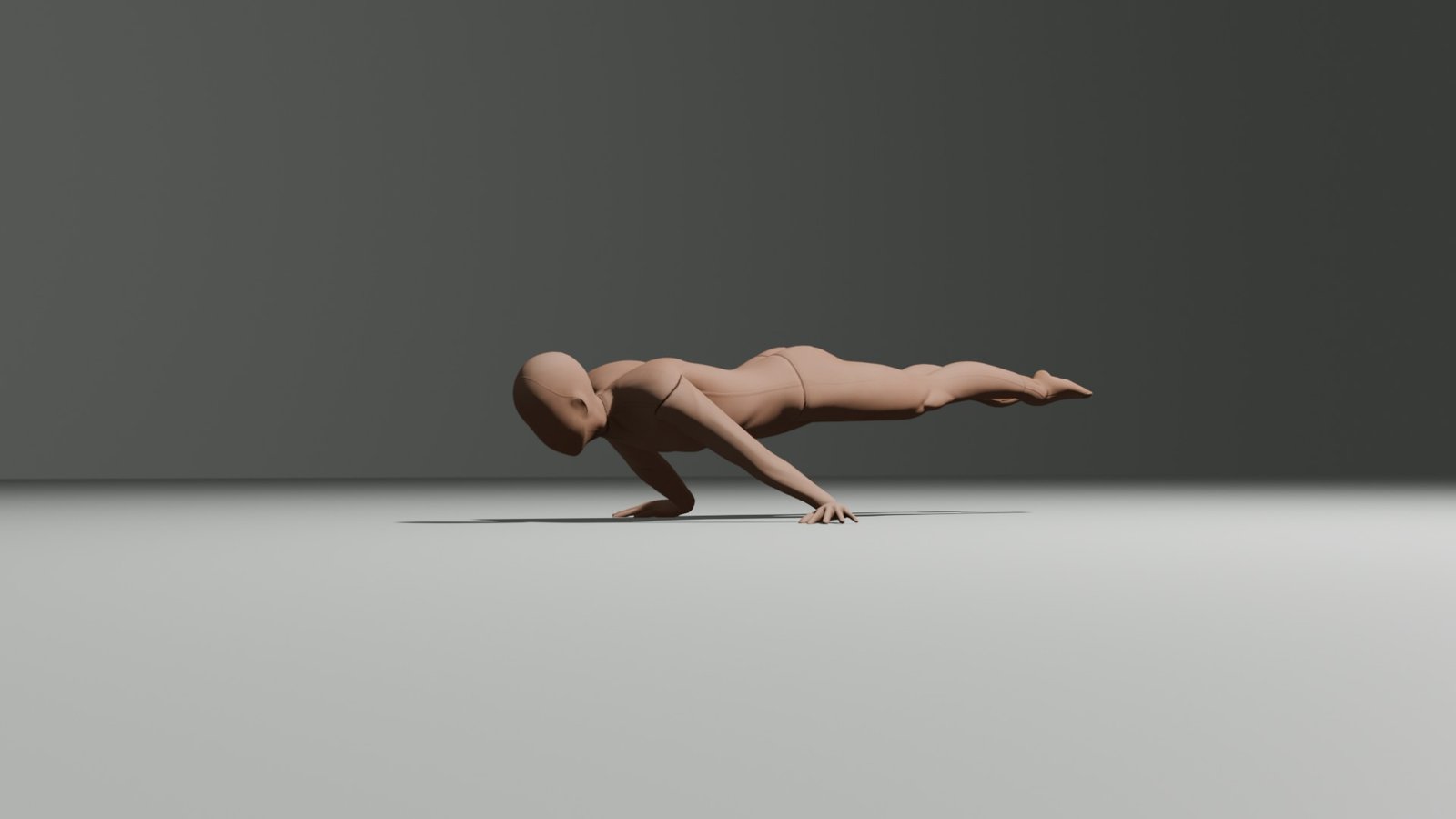
Planche
The planche is one of the most impressive bodyweight skills in calisthenics. It requires you to hold your entire body parallel to the ground while supporting yourself only with your hands
4 Rules to Train the Right Way (And Avoid Beginner Mistakes)
Before jumping into the workout below, keep these four golden rules in mind. Most beginners fail not because they lack strength, but because they rush their progress:
- Form Over Everything: A clean, controlled regression is always better than a sloppy, rushed advanced variation.
- Keep It Consistent: Aim to train 2 to 4 times per week.
- Scale the Exercises: Every advanced move has an accessible starting point. Use resistance bands or change your body angle to match your current strength.
- Prioritize Joint Recovery: Your muscles adapt faster than your tendons and joints. Give your body proper rest to prevent injury.
🛑 4 Mistakes to Avoid: Trying advanced skills too early, skipping mobility work, training without tracking your reps, and comparing your day one to someone else’s highlight reel.
How Often Should Beginners Train?
For most beginners, 2–3 full-body workouts per week is a simple place to start.
For example:
| Day | Training |
|---|---|
| Monday | Full-body workout |
| Tuesday | Rest |
| Wednesday | Full-body workout |
| Thursday | Rest |
| Friday | Full-body workout |
| Weekend | Rest or light activity |
You do not need to train every day.
Your muscles, joints and connective tissues need time to adapt to training, especially when you are learning new movements.
Simple Beginner A/B Bodyweight Workout at Home
Alternate between Workout A and Workout B across your training days.
For example:
Week 1: A / B / A
Week 2: B / A / B
Workout A
| Exercise | Sets | Reps / Time |
|---|---|---|
| Push-Ups or Incline Push-Ups | 3 | 6-12 reps |
| Bodyweight Squats | 3 | 10-15 reps |
| Inverted Rows or Pull-Up Progression | 3 | 6-10 reps |
| Hollow Body Hold | 3 | 10-30 sec |
Workout B
| Exercise | Sets | Reps / Time |
|---|---|---|
| Pike Push-Ups | 3 | 6-10 reps |
| Lunges | 3 | 8-12 each leg |
| Inverted Rows or Chin-Up Progression | 3 | 6-10 reps |
| Plank | 3 | 20-40 sec |
Rest around 1-2 minutes between sets, or a little longer if you need it to keep your form clean.
Choose an easier variation if you cannot stay in the rep range with good technique. Once you can reach the top of the range comfortably, add reps, improve control, or move to a harder variation.
For a more structured progression over several weeks, follow the Beginner Bodyweight Program.
How to Progress With Bodyweight Training
Progressive overload still matters when you train without weights.
You can make a bodyweight exercise harder by:
- performing more clean repetitions
- increasing hold time
- using a larger range of motion
- slowing the lowering phase
- improving your control
- moving to a harder exercise variation
- eventually adding external resistance
You do not need to progress every workout.
First make sure you can perform the current variation consistently with good form. Then change one variable at a time.
Do You Need Equipment for Bodyweight Training?
You can start bodyweight training with almost no equipment.
Push-ups, squats, lunges, planks and hollow body holds can all be performed at home.
Pulling exercises are the main exception. A pull-up bar, rings or another safe pulling setup gives you many more options for training your back and arms.
You can start without equipment and add useful tools later as your training becomes more advanced.
How Long Does It Take to Learn Calisthenics Skills?
Your timeline depends heavily on your current strength, consistency, and recovery habits. Generally, here is what a typical beginner timeline looks like:
- 1–2 Months: Noticeable improvements in basic push-ups, squats, and core stability.
- 3–6 Months: Control over early skills like wall-assisted handstands, brief L-sits, and clean pullovers.
- 1+ Years: Advanced bodyweight milestones like muscle-ups, handstand push-ups, and static levers become realistic.
Frequently Asked Questions (FAQ)
Is calisthenics good for beginners?
Yes! Because you can scale every single movement by changing your body angle or using leverage variations, calisthenics is one of the safest and most accessible entry points to strength training.
Do you need equipment for calisthenics?
Not to start. You can do push-ups, squats, and planks completely equipment-free on your floor. As you progress to pulling skills, access to a simple pull-up bar or outdoor park is highly recommended.
How often should beginners train calisthenics?
Beginners see the best results with 2 to 3 full-body sessions per week, leaving at least one full day of rest between workouts to allow joints and muscles to recover.
What is the hardest calisthenics skill?
Moves like the Full Planche, One-Arm Pull-Up, and the Victorian Cross are considered some of the most difficult calisthenics skills because they require years of specialized tendon conditioning and extreme relative strength.
Does creatine help with calisthenics?
Creatine is one of the most researched supplements to help improve relative strength, boost power output, and speed up recovery between sets. Creatine is optional, but as weightlifters use it, also calisthenics athletes can use it to improve performance. If you’re interested in supplementation, see our complete guide Calisthenics Guide to Creatine to find out how it affects relative strength and helps you unlock advanced skills faster
Final Advice
Don’t chase advanced skills too early. The strongest athletes you see online didn’t skip steps—they built their foundation through basic strength, perfect form, and strict consistency.
Master the basic push, pull, and squat today, and those impressive, advanced skills will take care of themselves later.